
Contents
Overview
Radio drama, also known as audio drama or audio theatre, is a genre of performance that relies entirely on sound to tell a story. Unlike visual media, it uses dialogue, music, and sound effects to create vivid imagery and emotional resonance in the listener's imagination. Early broadcasts often featured live readings of plays. Despite the shift in media consumption, radio drama persists worldwide, cherished for its unique ability to engage the listener's creativity and its enduring legacy preserved in archives of old-time radio (OTR). Its influence can be traced through various forms of audio storytelling today, from podcasts to immersive audio experiences.
🎵 Origins & History
The genesis of radio drama can be traced to the early days of broadcasting in the 1920s, a period brimming with technological innovation and a hunger for new forms of mass entertainment. Early broadcasts often featured live readings of plays, but it wasn't long before writers and producers began crafting original works specifically for the auditory medium. The era of unparalleled popularity for radio drama is referred to as the "Golden Age of Radio." This era saw radio drama achieve unparalleled popularity, making it the leading international entertainment format before the advent of television began to shift the cultural landscape.
⚙️ How It Works
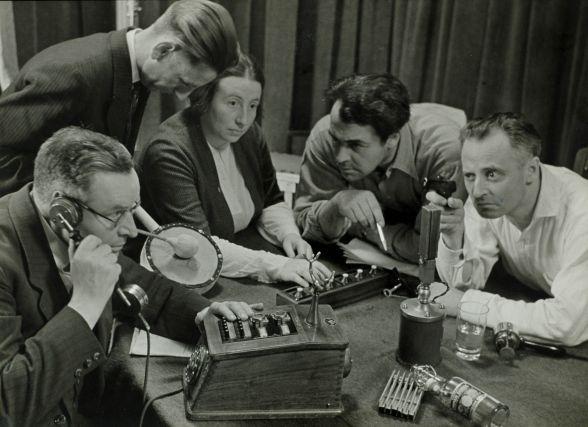
The magic of radio drama lies in its reliance on purely auditory elements to construct narrative and character. The absence of visual cues forces creators to be exceptionally skilled in their use of dialogue, which must convey not only plot but also character personality, emotional state, and setting. Sound effects are paramount, transforming the listener's environment from their living room into a bustling city street, a creaking haunted house, or the vastness of outer space. Music serves as another critical tool, setting the mood, underscoring dramatic moments, and even acting as a thematic leitmotif for characters or situations. Producers meticulously layer these elements, often using foley artists to create specific sounds in real-time during recording or post-production, ensuring that every rustle of leaves or distant siren contributes to the immersive experience. This intricate sonic architecture is what allows radio drama to be "auditory in the physical dimension but equally powerful as a visual force in the psychological dimension," as noted by radio historian Archived at Internet Archive.
📊 Key Facts & Numbers
During its peak in the 1940s, it's estimated that over 90% of American households owned a radio, with many tuning in nightly for their favorite serials and dramas. For instance, the "Fibber McGee and Molly" show, a popular comedy-drama, regularly drew audiences estimated at over 20 million listeners. The "Lux Radio Theatre" often featured Hollywood stars performing for free, with an estimated 40 million listeners tuning in for its most popular broadcasts. In the UK, the BBC's radio drama output reached millions daily, with specific productions like the "The Adventures of Sherlock Holmes" series attracting significant listenership. Even today, while precise global figures are hard to aggregate, the podcasting industry, a spiritual successor to radio drama, boasts hundreds of millions of listeners worldwide, with audio fiction podcasts alone generating billions of downloads annually.
👥 Key People & Organizations
Several key figures and organizations were instrumental in shaping radio drama. Orson Welles, through his Mercury Theatre on the Air, famously terrified audiences with his 1938 adaptation of H.G. Wells' "The War of the Worlds", demonstrating the medium's potent narrative power. Norman Corwin, a prolific writer and producer for the CBS, created groundbreaking works like "The Longest Journey" and "On a Note of Triumph", which explored profound social and political themes. In the UK, the BBC's commitment to radio drama, under figures like Val Gielgud, established a high standard for the art form, nurturing talent and producing enduring series like "The Archers" (still running since 1951). Organizations like the Radio Drama Hub and the Old-Time Radio Collectors Society continue to preserve and promote the legacy of this era.
🌍 Cultural Impact & Influence
The cultural impact of radio drama is profound and far-reaching, extending beyond its direct listenership. It served as a primary source of news, entertainment, and cultural discourse for decades, shaping public opinion and national identity. The storytelling techniques developed for radio influenced subsequent media, including film and video games, particularly in areas of pacing, dialogue, and the creation of atmosphere. Many actors, writers, and directors honed their craft in radio before transitioning to other mediums, carrying their skills with them. Furthermore, radio drama fostered a unique form of communal experience, where families and communities would gather around the radio, sharing a collective imaginative journey. Its legacy is also evident in the burgeoning podcast industry, which has revitalized audio storytelling for a new generation, often drawing inspiration from the narrative structures and immersive qualities of classic radio plays.
⚡ Current State & Latest Developments
While the golden age of broadcast radio drama has passed in many Western countries, the medium is far from dead. In 2024, the global podcasting market, a direct descendant of radio drama, is projected to reach over $30 billion USD, with a significant portion dedicated to audio fiction. Streaming platforms like Audible and Spotify are investing heavily in original audio dramas, attracting both established and emerging talent. In regions like India, South Africa, and parts of Eastern Europe, traditional radio drama continues to thrive on terrestrial radio, serving large, dedicated audiences. New technologies are also emerging, such as interactive audio experiences and spatial audio, promising to further evolve the immersive capabilities of audio storytelling. Companies like QCODE Media are at the forefront of producing high-quality, serialized audio dramas designed for the modern digital landscape.
🤔 Controversies & Debates
The primary controversy surrounding radio drama, particularly in its historical context, revolves around its perceived realism and its potential to mislead audiences. The infamous 1938 "War of the Worlds" broadcast by Orson Welles is a prime example, where a realistic news bulletin format allegedly caused widespread panic among listeners who believed a genuine Martian invasion was underway. While the extent of this panic is debated by historians, it highlighted the potent psychological impact of the medium. Another ongoing debate concerns the preservation and accessibility of OTR archives; while many recordings exist, their condition varies, and rights issues can sometimes limit public access. Furthermore, the shift from live broadcast to on-demand digital formats raises questions about the communal listening experience that once defined radio drama's cultural role.
🔮 Future Outlook & Predictions
The future of radio drama appears robust, driven by technological advancements and a growing appetite for narrative audio content. The integration of AI in scriptwriting and voice synthesis presents both opportunities and challenges, potentially democratizing production while raising concerns about authenticity and artistic integrity. The expansion of immersive audio technologies like Dolby Atmos promises to create even more sophisticated soundscapes, blurring the lines between listening and experiencing. Experts predict continued growth in the podcast sector, with a particular emphasis on serialized fiction and high-production-value audio dramas. We may also see a resurgence of live, in-person audio theatre events, blending the intimacy of radio drama with the energy of live performance, further solidifying its place in the cultural landscape. The potential for cross-media adaptations, where successful audio dramas are translated into visual formats, also remains a significant avenue for growth.
💡 Practical Applications
Radio drama's core application is entertainment, providing immersive storytelling experiences that engage the imagination. However, its utility extends beyond pure leisure. Educational institutions utilize audio dramas to teach history, literature, and language, offering engaging ways to absorb complex information. Public service a
Key Facts
- Category
- culture
- Type
- topic