
Contents
Overview
The Quantified Self (QS) is a cultural phenomenon and community centered around the practice of self-tracking using technology to gain insights into one's own life. It encompasses individuals who meticulously collect data on their activities, physiology, and environment, aiming for enhanced self-understanding and performance improvement. This movement gained significant traction with the proliferation of wearable devices like Fitbits and Apple Watches, alongside the rise of Internet of Things (IoT) devices in health and fitness. QS practices often overlap with lifelogging, biohacking, and personal informatics, reflecting a broader trend of integrating data acquisition into daily living to optimize physical, mental, and emotional well-being. The core ethos is 'self-knowledge through numbers,' empowering individuals to make informed decisions based on empirical data about themselves.
🎵 Origins & History
The roots of the Quantified Self can be traced back to early forms of personal record-keeping, from Benjamin Franklin's meticulous self-improvement journals to the advent of early biometric sensors. The practice of self-tracking has become more prevalent with the increasing availability of digital tools and a growing cultural fascination with data. The philosophy has been articulated by prominent voices, and early meetups provided a platform for enthusiasts to share their tracking projects, ranging from monitoring sleep patterns with actigraphy devices to logging food intake and mood. This period saw the emergence of foundational technologies that would later fuel the mainstream adoption of self-tracking.
⚙️ How It Works
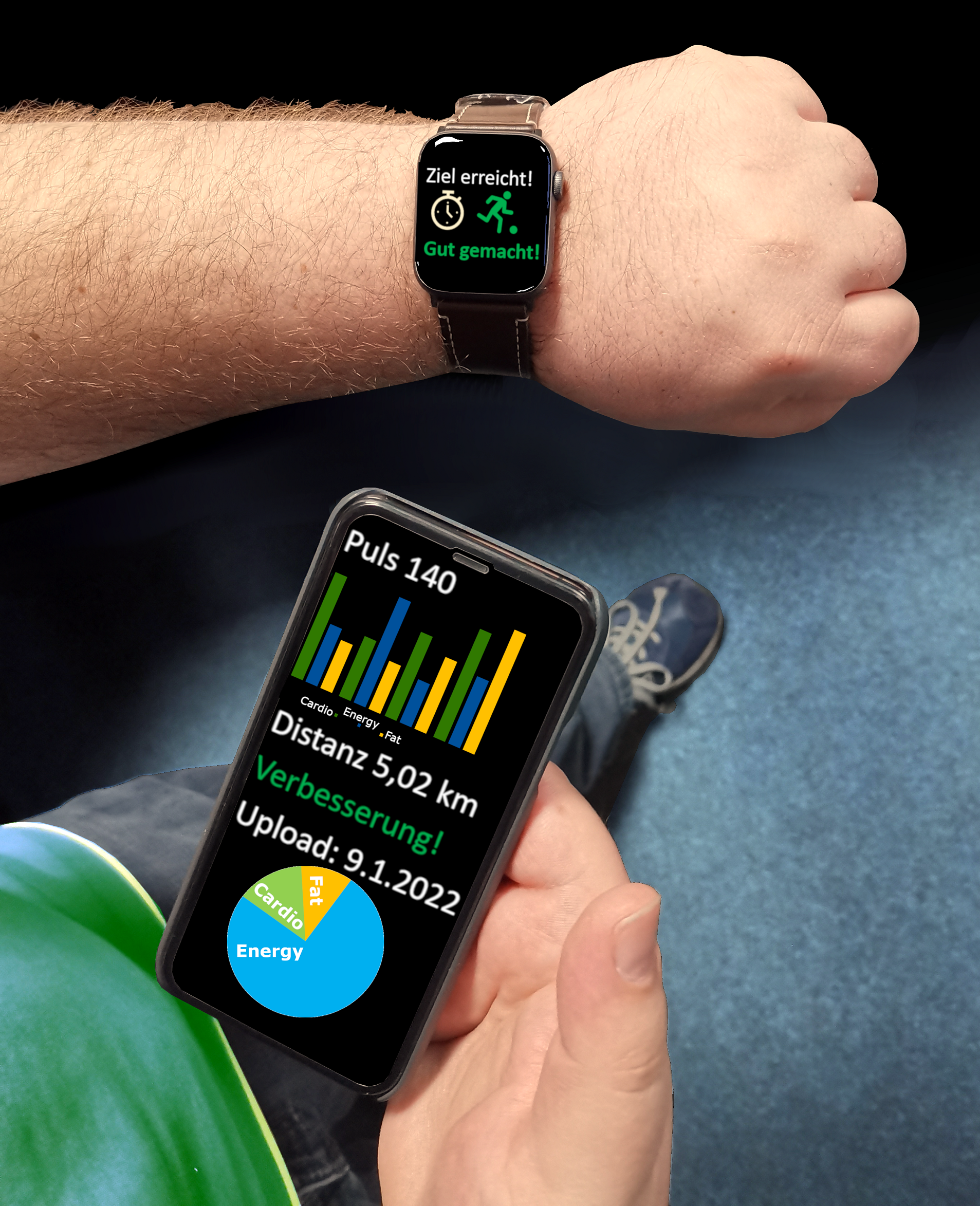
At its core, Quantified Self operates by collecting granular data about an individual's life through various sensors and input methods. This can include wearable devices like Garmin watches tracking heart rate and steps, smart scales measuring body composition, sleep trackers analyzing sleep stages, and apps for logging diet, mood, or productivity. The collected raw data is then processed, visualized, and analyzed, often using personal dashboards or specialized software. The goal is to identify patterns, correlations, and anomalies that might not be apparent through subjective experience alone. For instance, a QS practitioner might correlate their sleep quality data with their evening screen time or their exercise intensity with their daily energy levels, using these insights to adjust behaviors for better outcomes.
📊 Key Facts & Numbers
The scale of self-tracking is staggering. The global market for digital health applications, which often incorporate self-tracking features, was valued at over $50 billion in 2023. This vast ocean of personal data represents a significant shift in how individuals engage with their own well-being.
👥 Key People & Organizations
Key figures in the Quantified Self movement include Gary Wolf, a writer and editor who co-founded Quantified Self Labs and is often credited with popularizing the term. Kevin Kelly, co-founder of Wired, has also been a prominent voice, exploring the philosophical implications of self-quantification. Organizations like Quantified Self Labs (now defunct) were central to fostering the community through meetups and conferences. Major technology companies such as Apple, Google (with Fitbit), and Samsung are now major players, developing and marketing the devices and platforms that enable widespread self-tracking, often integrating QS principles into their broader health and wellness ecosystems.
🌍 Cultural Impact & Influence
The Quantified Self has profoundly influenced how individuals perceive and manage their health, fitness, and productivity. It has democratized data collection, moving it from clinical settings into everyday life. The cultural resonance is evident in the mainstream adoption of fitness trackers, which have normalized the idea of monitoring personal metrics. This has also spurred innovation in fields like preventive medicine and behavioral economics, as insights from self-tracking data inform new approaches to health interventions and nudges. The QS ethos has also seeped into professional life, with some individuals applying similar data-driven principles to optimize their work performance and time management.
⚡ Current State & Latest Developments
The Quantified Self continues to evolve, driven by advancements in sensor technology and artificial intelligence. The integration of QS principles into smart home technology and wearable devices is becoming more seamless, with devices offering more sophisticated insights and predictive analytics. Companies are increasingly leveraging aggregated, anonymized QS data for research and product development, though this raises significant privacy concerns. The focus is shifting from mere data collection to actionable insights and automated interventions, moving towards a more proactive and personalized approach to well-being. Emerging trends include the tracking of mental health metrics and the use of digital biomarkers for early disease detection.
🤔 Controversies & Debates
The Quantified Self is not without its critics and controversies. A primary concern revolves around data privacy and security; the sheer volume of sensitive personal information collected raises questions about who owns this data and how it is protected from breaches or misuse by corporations and governments. There's also the debate about whether constant self-monitoring can lead to increased anxiety, obsession, or a distorted self-image, potentially fostering a form of digital self-surveillance. Some argue that an over-reliance on quantitative data can devalue qualitative human experiences and intuition. The potential for this data to be used for discriminatory purposes, such as in insurance or employment, remains a significant ethical challenge.
🔮 Future Outlook & Predictions
The future of the Quantified Self points towards deeper integration and more sophisticated analysis. We can expect to see more advanced biosensors capable of non-invasively tracking a wider range of physiological markers, potentially including blood glucose or stress hormones. The role of AI in interpreting this data will become even more critical, moving beyond simple pattern recognition to personalized predictive modeling and automated behavioral coaching. The concept of the 'digital twin' – a virtual replica of an individual based on their data – may become more prevalent, offering a platform for simulating health interventions. Ultimately, the QS movement is likely to become less of a distinct subculture and more of an embedded feature of daily life, blurring the lines between personal technology and personal well-being.
💡 Practical Applications
Quantified Self principles have a wide array of practical applications. In fitness, individuals use trackers to monitor workout intensity, recovery, and progress towards goals, often syncing with apps like Strava or MyFitnessPal. In health, people track sleep patterns to improve rest, monitor chronic conditions, or log medication adherence. Productivity enthusiasts use time-tracking apps and project management tools to analyze their work habits and optimize efficiency. Even in personal relationships, some individuals track communication patterns or shared activities to understand relationship dynamics. The core application is using data to inform behavioral change for desired outcomes.
Key Facts
- Category
- movements
- Type
- movement