
Contents
- 🌟 What Are Psychedelic Therapy Centers?
- 🎯 Who Should Consider Psychedelic Therapy?
- 📍 Location & Access: Where to Find Them
- 🗓️ Session Structure & What to Expect
- 💰 Pricing & Insurance: The Financial Landscape
- ⚖️ Legal & Regulatory Status: Navigating the Maze
- ⭐ What People Say: Patient Experiences
- 💡 Choosing the Right Center: Key Considerations
- 🚀 Getting Started: Your First Steps
- Frequently Asked Questions
- Related Topics
Overview
Psychedelic therapy centers are emerging as pivotal spaces in the mental health landscape, utilizing substances like psilocybin and MDMA to treat conditions such as PTSD, depression, and anxiety. These centers often combine clinical expertise with a supportive environment, facilitating guided experiences that can lead to profound psychological insights. The movement gained traction in the 21st century, with notable studies from institutions like Johns Hopkins and MAPS (Multidisciplinary Association for Psychedelic Studies) paving the way for legitimacy. However, the field is rife with controversy, including debates over regulation, ethical practices, and the commercialization of psychedelics. As research continues to unfold, the future of these centers raises critical questions about accessibility, safety, and the potential for widespread societal change.
🌟 What Are Psychedelic Therapy Centers?
Psychedelic therapy centers are specialized clinics offering guided therapeutic experiences using psychedelic substances like psilocybin, MDMA, or ketamine. These centers combine the administration of these compounds with extensive pre- and post-session psychotherapy. The goal isn't just the altered state, but integrating those insights into lasting mental health improvements. Unlike recreational use, this approach is medically supervised, focusing on safety, intention, and therapeutic outcomes. Think of it as a highly structured, supportive journey into the psyche, facilitated by trained professionals.
🎯 Who Should Consider Psychedelic Therapy?
These centers are increasingly sought by individuals struggling with treatment-resistant conditions such as depression, PTSD, and anxiety. They can also be beneficial for those seeking personal growth, exploring existential questions, or working through grief and trauma. Candidates typically undergo a thorough screening process to ensure they are medically and psychologically suitable for the treatment. It's not a magic bullet, but a powerful tool for those ready to engage deeply with their inner world and commit to the therapeutic process.
📍 Location & Access: Where to Find Them
Psychedelic therapy centers are emerging globally, with significant clusters in regions where regulations are more permissive, such as parts of the United States, Canada, and Europe. Major hubs include cities like Denver, Portland, and Vancouver, with more popping up as FDA and other regulatory bodies expand access. Access can vary wildly; some centers operate within licensed medical facilities, while others are part of emerging legalization movements. It's crucial to research centers within your jurisdiction or be prepared for potential travel.
🗓️ Session Structure & What to Expect
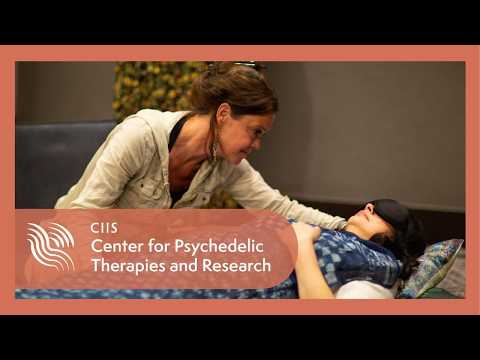
A typical psychedelic therapy session involves several stages. It begins with preparation sessions to build rapport, set intentions, and understand the process. The dosing session itself involves administering the substance in a comfortable, controlled environment, with a therapist present for support and guidance throughout the experience, which can last several hours. Following this, integration sessions are vital for processing the insights gained, helping the client translate the experience into tangible changes in their daily life and well-being.
💰 Pricing & Insurance: The Financial Landscape
The cost of psychedelic therapy can be substantial, often ranging from $1,000 to $5,000 per session, with multiple sessions usually recommended. This is largely due to the intensive therapist involvement, facility costs, and the specialized nature of the treatment. Insurance coverage is still very limited, though this is a rapidly evolving area as more research emerges and medical acceptance grows. Some centers offer sliding scale fees or payment plans, making it important to inquire directly about financial options.
⭐ What People Say: Patient Experiences
Patient testimonials often highlight profound shifts in perspective, significant reductions in symptoms, and a renewed sense of purpose. Many report feeling 'unblocked' from long-standing emotional or psychological issues. However, experiences can be intense, and some individuals describe challenging emotional journeys during the sessions, underscoring the importance of skilled facilitation and integration. The overall sentiment leans positive, with many expressing gratitude for the transformative potential of the therapy.
💡 Choosing the Right Center: Key Considerations
When selecting a center, prioritize clinician credentials and experience. Look for centers with a strong emphasis on safety protocols, comprehensive screening, and robust integration support. Understanding their therapeutic model and whether it aligns with your personal needs is crucial. Researching reviews, asking for references, and having an initial consultation can help you gauge the center's suitability and your comfort level with their approach and staff.
🚀 Getting Started: Your First Steps
To begin, educate yourself thoroughly on psychedelic therapy and its potential benefits and risks. Consult with your primary care physician or a mental health professional to discuss if this treatment is appropriate for you. Research reputable centers in your area or those accessible for travel, paying close attention to their licensing, staff qualifications, and therapeutic approach. Schedule an initial consultation to ask questions and ensure the center is a good fit for your specific needs and goals.
Key Facts
- Year
- 2023
- Origin
- United States
- Category
- Mental Health
- Type
- Directory
Frequently Asked Questions
Is psychedelic therapy safe?
When conducted in a controlled clinical setting with trained professionals, psychedelic therapy is considered safe for most individuals. Centers implement rigorous screening protocols to identify contraindications and ensure patient well-being. Safety measures include careful dosing, continuous monitoring during sessions, and thorough preparation and integration phases to manage potential psychological challenges.
What conditions can psychedelic therapy treat?
Psychedelic therapy is showing promise for a range of conditions, most notably treatment-resistant depression, post-traumatic stress disorder (PTSD), anxiety disorders, and substance use disorders. It's also explored for conditions like OCD, eating disorders, and for individuals seeking personal growth or spiritual exploration.
How is psychedelic therapy different from recreational use?
The key difference lies in the therapeutic context. Psychedelic therapy involves medical supervision, specific intentions, controlled dosages, and extensive psychological support before, during, and after the experience. Recreational use lacks these elements, increasing risks and diminishing therapeutic potential.
What is 'integration' in psychedelic therapy?
Integration refers to the process of making sense of and applying the insights gained during a psychedelic experience to one's daily life. It involves therapy sessions focused on understanding the emotions, memories, and perspectives that emerged, and developing strategies to incorporate these into lasting positive changes and improved mental well-being.
Can I use my insurance to pay for psychedelic therapy?
Insurance coverage for psychedelic therapy is currently very limited, as many of these treatments are still considered experimental or are not yet widely approved. However, this is a rapidly changing landscape. Some ketamine clinics may have better insurance acceptance, and advocacy efforts are underway to expand coverage for psilocybin and MDMA therapies as they gain regulatory approval.
What are the potential side effects?
During a session, potential side effects can include increased heart rate, blood pressure, nausea, and temporary anxiety or disorientation. These are typically managed by the clinical team. Post-session, the primary 'side effect' is the potential for intense emotional processing, which is why integration therapy is so crucial for navigating these experiences constructively.