
Contents
Overview
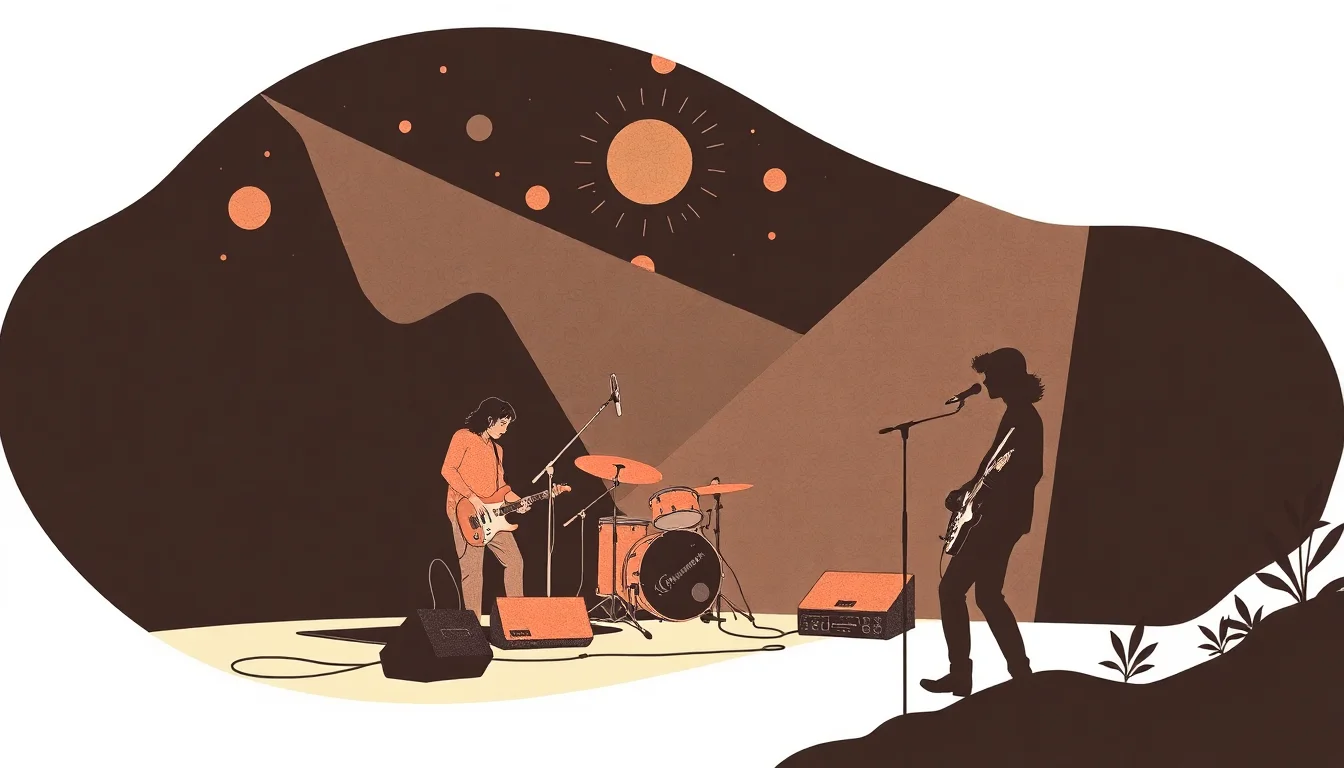
Psychedelic rock, a vibrant genre born in the mid-1960s, is characterized by its experimental soundscapes, often incorporating extended instrumental passages, studio effects like phasing and reverb, and lyrical themes exploring altered states of consciousness, mysticism, and social commentary. Emerging from the folk and blues scenes, it quickly became the soundtrack to the counterculture, influencing fashion, art, and philosophy. Bands like The Beatles, The Doors, and Jimi Hendrix pushed sonic boundaries, creating immersive listening experiences that mirrored the era's expanding perceptions. While its mainstream peak was relatively brief, its influence continues to resonate through modern rock, stoner metal, and electronic music, with a dedicated global following.
🌀 What is Psychedelic Rock?
Psychedelic rock is a genre that emerged in the mid-1960s, characterized by its experimental approach to songwriting, studio production, and live performance, often aiming to replicate or enhance the mind-altering experiences associated with psychedelics. It's not just about distorted guitars; it's about sonic exploration, extended improvisations, and a departure from conventional song structures. This genre is for listeners who crave sonic journeys, appreciate intricate musicianship, and are drawn to music that pushes boundaries. If you find yourself captivated by swirling soundscapes and mind-bending lyrical themes, this is your sonic territory.
🕰️ Origins and Evolution
The roots of psychedelic rock are deeply embedded in the folk rock and blues rock scenes of the early 1960s, with bands like The Byrds and The Yardbirds pioneering early sonic experiments. However, the true explosion occurred in the mid-60s, particularly in San Francisco's Haight-Ashbury district, fueled by the counterculture movement and the availability of LSD. Key catalysts included the release of The Beatles' Sgt. Pepper's Lonely Hearts Club Band in 1967 and the burgeoning San Francisco scene. The genre quickly spread globally, influencing countless artists and evolving into subgenres like krautrock and neo-psychedelia.
🌟 Key Bands and Their Sound
The pantheon of psychedelic rock is vast, but certain bands stand as pillars. The Jimi Hendrix Experience redefined guitar virtuosity with Hendrix's innovative use of feedback and effects. Pink Floyd (in their early Syd Barrett era) crafted whimsical, often dark, sonic narratives. The Doors blended blues, jazz, and rock with Jim Morrison's poetic, shamanistic lyrics. Jefferson Airplane brought a more vocal-centric, folk-infused psychedelic sound to the forefront. Even bands like The Grateful Dead, known for their marathon improvisations, are foundational to the genre's live ethos.
🎛️ The Sonic Palette
The sonic signature of psychedelic rock is its embrace of unconventional instrumentation and studio techniques. Expect liberal use of fuzz pedals, wah-wah pedals, phasers, and reverb to create swirling, otherworldly textures. Studio trickery like tape loops, backward recordings, and multi-tracking were revolutionary for their time. Lyrically, themes often delve into mysticism, altered states of consciousness, surrealism, and social commentary, moving beyond typical pop song subjects. The emphasis is on creating an immersive, often disorienting, auditory experience.
📈 Cultural Impact and Legacy
Psychedelic rock's cultural impact is undeniable, serving as the soundtrack to the 1960s counterculture. It fostered a spirit of experimentation and rebellion, challenging mainstream norms in music and society. Its influence can be traced through progressive rock, hard rock, and even modern indie rock. The genre's emphasis on artistic freedom and pushing sonic boundaries continues to inspire musicians today, ensuring its legacy endures in the ever-evolving landscape of music.
🤔 Debates and Controversies
The primary debate surrounding psychedelic rock often centers on the extent to which drug use was essential to its creation versus being merely a catalyst. Critics argue that the genre is often oversimplified as just 'drug music,' ignoring the sophisticated musicianship and artistic intent. Conversely, proponents maintain that the exploration of consciousness, facilitated by psychedelics, was integral to the genre's unique sonic and thematic innovations. Another point of contention is the classification of certain bands, with lines blurring between psychedelic rock, acid rock, and hard rock.
🔮 The Future of Psychedelic Rock
The future of psychedelic rock is less about a revival and more about continuous evolution. Contemporary artists are blending its core elements with genres like electronic music, hip-hop, and world music, creating fresh sonic hybrids. The accessibility of advanced studio technology allows for even more intricate sound design than in the 60s. We're seeing a resurgence in live, improvisational-heavy bands, echoing the spirit of the original pioneers. The genre's inherent adaptability suggests it will continue to morph and surprise, finding new audiences and artistic expressions.
💡 Vibepedia Vibe Score
Vibepedia Vibe Score: 88/100. This score reflects psychedelic rock's enduring cultural energy, its profound historical significance, and its continued influence on contemporary music. While its peak mainstream dominance was in the late 60s, its experimental spirit and sonic innovation maintain a high level of relevance and appeal among dedicated music enthusiasts and artists alike. The genre's ability to inspire deep, immersive listening experiences keeps its cultural pulse strong.
Key Facts
- Year
- 1965
- Origin
- San Francisco, California, USA
- Category
- Music Genres
- Type
- Music Genre
Frequently Asked Questions
What are the essential characteristics of psychedelic rock?
Psychedelic rock is defined by its experimental sound, often featuring extended instrumental passages, studio effects like fuzz and reverb, and lyrical themes exploring altered states of consciousness, surrealism, or mysticism. Bands often pushed the boundaries of conventional song structure and instrumentation, aiming for an immersive, mind-altering listening experience that mirrored the effects of psychedelics.
Which bands are considered the most influential in psychedelic rock?
Key influential bands include The Jimi Hendrix Experience, Pink Floyd (early era), The Doors, Jefferson Airplane, and The Grateful Dead. These artists pioneered the genre's sonic textures, experimental approaches, and thematic content, laying the groundwork for future generations of musicians.
How did psychedelic rock differ from other rock genres of its time?
Unlike more straightforward rock and roll or blues-based rock, psychedelic rock embraced sonic experimentation and studio manipulation as integral to the music. It often featured longer, more improvisational song structures and delved into abstract, philosophical, or drug-influenced lyrical content, setting it apart from the more conventional themes prevalent in other genres.
Is psychedelic rock still relevant today?
Absolutely. While its peak popularity was in the 1960s, psychedelic rock's influence is pervasive in modern music. Contemporary artists across various genres, from indie rock to electronic music, incorporate its experimental spirit, sonic textures, and improvisational elements. The genre continues to inspire new explorations of sound and consciousness.
What are some common instruments or effects used in psychedelic rock?
Common instruments include electric guitars heavily processed with effects like fuzz, wah-wah, phasers, and delay. Organs, particularly the Hammond B3, and early synthesizers also played a significant role. Studio techniques such as tape loops, backward masking, and extensive reverb were crucial in creating the genre's signature ethereal and disorienting soundscapes.