
Contents
Overview
The roots of the Prohibition Era stretch back to the mid-19th century, fueled by a potent mix of religious fervor and social reformist zeal. Groups like the Woman's Christian Temperance Union (WCTU) and the Anti-Saloon League spearheaded the movement, arguing that alcohol was the root cause of societal ills such as poverty, domestic violence, and political corruption. They successfully lobbied for state-level bans, with Maine being the first to enact statewide prohibition. World War I provided a critical catalyst, with proponents framing alcohol as unpatriotic and a drain on resources needed for the war effort. This momentum culminated in the ratification of the Eighteenth Amendment, ushering in a nationwide ban on alcohol.
⚙️ How It Worked: The Volstead Act
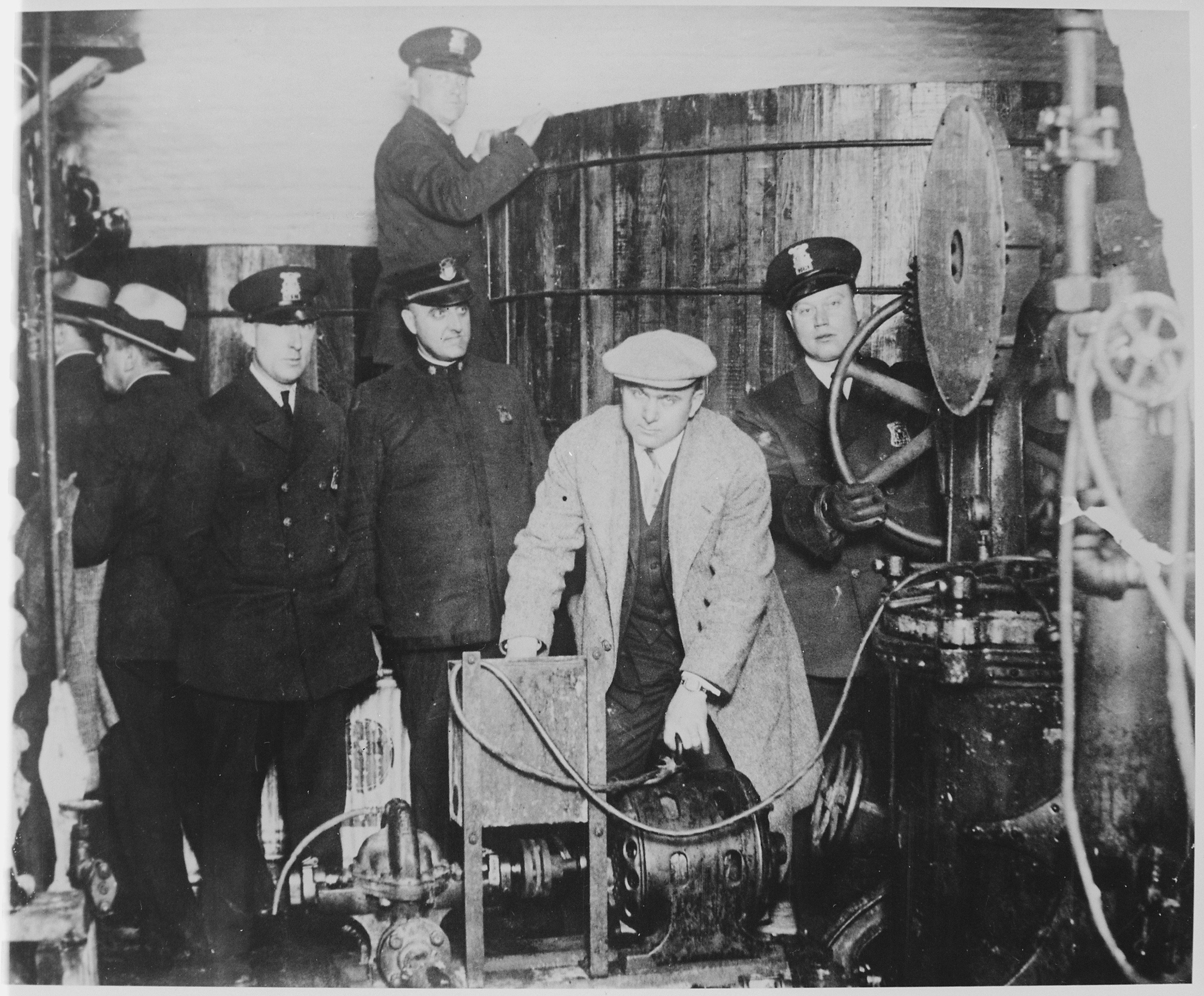
The practical enforcement of the Eighteenth Amendment was largely dictated by the National Prohibition Act, commonly known as the Volstead Act. This legislation defined 'intoxicating liquors' as any beverage containing more than 0.5% alcohol by volume, effectively outlawing beer and wine alongside spirits. It also outlined the powers and responsibilities of federal agencies, primarily the Bureau of Prohibition, tasked with enforcing the ban. However, the act proved notoriously difficult to enforce, with limited resources and widespread public defiance. Loopholes, such as exemptions for medicinal and sacramental alcohol, were exploited, and the burgeoning illegal alcohol trade, known as bootlegging, flourished.
📊 Key Facts & Numbers
The Prohibition Era saw staggering figures that underscored its profound impact. An estimated organized crime industry emerged, with figures like Al Capone amassing fortunes through illegal breweries and speakeasies. The government spent significant sums on enforcement, a sum that dwarfed the tax revenue lost from alcohol sales. Despite the ban, per capita alcohol consumption, though reduced, persisted through illegal channels. The scale of defiance was demonstrated by the estimated number of speakeasies operating in New York City.
👥 Key People & Organizations
The Prohibition Era was shaped by a diverse cast of characters and organizations. Leading the charge were figures like Wayne Wheeler, the influential superintendent of the Anti-Saloon League, and Carry Nation, a radical temperance advocate known for smashing saloons with a hatchet. On the other side, powerful industrialist Henry Ford initially supported Prohibition, seeing it as a way to ensure a more sober and productive workforce, while Andrew Mellon, Secretary of the Treasury, oversaw enforcement efforts. The Bureau of Prohibition was the primary federal agency responsible for policing the ban, though its effectiveness was constantly challenged.
🌍 Cultural Impact & Influence
The cultural impact of the Prohibition Era was immense and multifaceted. It spawned a new era of clandestine nightlife, with speakeasies becoming hubs for jazz music and a burgeoning sense of rebellion. The rise of bootlegging and organized crime dramatically altered the American criminal landscape, leading to increased violence and corruption. Hollywood capitalized on the era's drama, producing numerous films that romanticized or condemned the illegal alcohol trade. The era also fostered a deep-seated skepticism towards government overreach and the efficacy of legislating morality, leaving a lasting imprint on American attitudes towards personal liberty and regulation.
⚡ Current State & Latest Developments
While the Prohibition Era officially ended, its legacy continues to resonate. Debates about alcohol regulation persist, with ongoing discussions surrounding issues like minimum legal drinking age laws, drunk driving enforcement, and the taxation of alcoholic beverages. The rise of craft breweries and distilleries in recent decades can be seen, in part, as a modern reclaiming of alcohol production, albeit through legal channels. Furthermore, the lessons learned from Prohibition about the unintended consequences of outright bans continue to inform policy decisions in areas ranging from drug legalization to gambling regulation.
🤔 Controversies & Debates
The Prohibition Era remains a deeply controversial topic. Critics argue that the ban was an infringement on personal liberty and that its enforcement was often discriminatory, disproportionately affecting immigrant communities. Supporters, however, maintain that the initial goals of reducing alcohol-related harm were noble and that the era did achieve some successes in curbing public drunkenness and improving health outcomes in certain areas. The debate often centers on whether the societal costs of illegal alcohol production and organized crime outweighed any potential benefits of temperance, with historians and economists offering varying perspectives on the economic and social impacts.
🔮 Future Outlook & Predictions
The future outlook for any return to a nationwide alcohol prohibition is virtually nonexistent, given the overwhelming consensus against it. However, the principles and lessons of Prohibition continue to be debated and applied. We may see continued experimentation with localized or targeted restrictions on alcohol sales, particularly in response to public health crises or specific community concerns. The ongoing discussion around the legalization of other substances, such as cannabis, frequently references the historical parallels and cautionary tales of the Prohibition Era, suggesting its influence on policy debates will endure.
💡 Practical Applications
The Prohibition Era's most significant practical application is as a historical case study in the challenges of legislating morality and the unintended consequences of broad bans. It serves as a stark reminder that outlawing a widely desired commodity can create a powerful black market, empower criminal organizations, and erode public trust in law enforcement. The era's failures have informed subsequent approaches to regulating substances, often favoring education, taxation, and harm reduction strategies over outright prohibition. For instance, the ongoing debates surrounding drug policy reform frequently cite Prohibition as a cautionary tale.
Key Facts
- Category
- history
- Type
- event