
Contents
Overview
Product placement, often called embedded marketing, is a strategic advertising technique where branded goods or services are intentionally featured within a work of entertainment, such as films, television shows, video games, or music videos. It's about weaving a brand's presence organically into the narrative or visual landscape, aiming for audience engagement without the overt interruption of traditional commercials. Think of the iconic red soda cans in American Idol or the sleek sports car driven by James Bond. This method seeks to associate a product with desirable characters, settings, or plot points, thereby influencing audience perception and purchase intent. The goal is to make the brand a natural, almost invisible, part of the viewing experience.
🎯 Who Benefits from Product Placement?
This marketing tactic serves a dual purpose, benefiting both the brands seeking visibility and the content creators needing funding. For brands, it offers a powerful way to reach a captive audience, build brand awareness, and foster positive associations, particularly with demographics that may be ad-averse. For filmmakers and producers, product placement can provide a significant revenue stream, helping to offset production costs and allowing for higher production values. It’s a symbiotic relationship where visibility is exchanged for financial support, creating a win-win scenario when executed effectively. This is particularly true for new product launches looking to gain traction.
📈 The Evolution of Product Placement
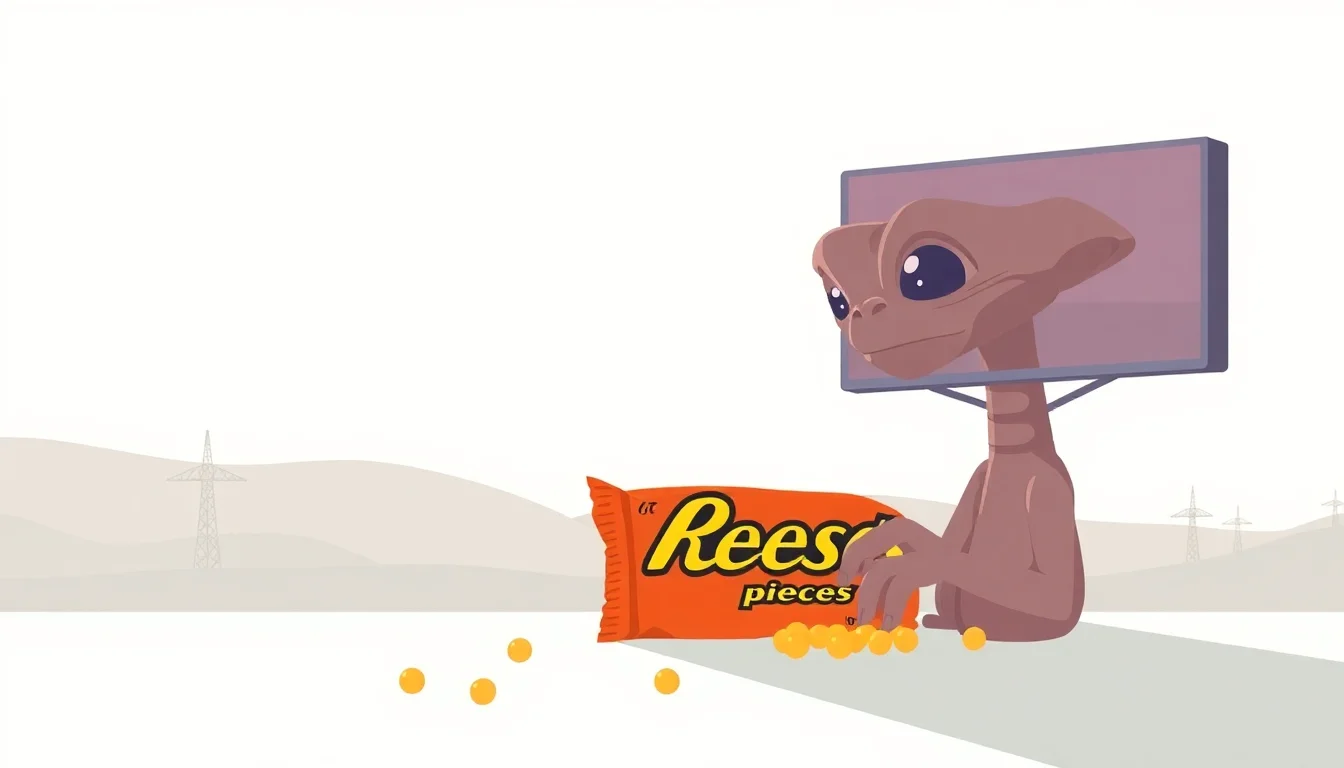
The history of product placement stretches back to the early days of cinema, with early examples like the pack of smokes in The Public Enemy (1931). Over the decades, it has evolved from simple prop placement to sophisticated narrative integration. The 1980s saw a surge in its use, with films like E.T. the Extra-Terrestrial famously featuring chocolate candies, leading to a dramatic sales increase for the brand. Today, placements extend into digital realms, including social media endorsements and in-game advertising, reflecting the changing media consumption habits. The sophistication of tracking and measurement has also grown, making it a more data-driven discipline than ever before.
💰 Pricing Models & Negotiation
The cost of product placement varies wildly, depending on the prominence of the placement, the popularity of the media property, and the negotiating power of both parties. Deals can range from free product provision for minor placements to multi-million dollar contracts for lead roles. Some placements are based on a flat fee, while others might involve performance-based metrics or revenue sharing. Negotiation is key, and understanding the reach and demographic of the target audience is crucial for determining fair value. specialized firms often facilitate these complex negotiations, ensuring optimal outcomes for their clients.
🔍 Identifying Effective Placements
Identifying effective product placements requires a keen eye for how well a brand is integrated into the story and whether it aligns with the target audience's values and aspirations. A successful placement feels authentic and enhances the viewing experience rather than detracting from it. For instance, the use of iPhones and MacBooks in many contemporary dramas often feels natural due to the ubiquity of these devices. Conversely, a forced or awkward placement, like a character suddenly extolling the virtues of a specific canned beverage out of context, can backfire, alienating viewers and damaging brand perception. Look for placements that resonate with the characters and plot.
⚖️ Legal & Ethical Considerations
Product placement operates within a complex web of legal and ethical guidelines designed to protect consumers from deceptive advertising. In many regions, including the United States and the European Union, undisclosed paid placements must be clearly identified to the audience, especially in broadcast media. Regulations from bodies like the US broadcast regulator and the UK advertising watchdog aim to ensure transparency. While subtle integrations are often permissible, outright deception or misleading endorsements can lead to significant fines and reputational damage for both the brand and the content creator. Transparency is paramount.
🚀 Measuring ROI of Placements
Measuring the return on investment (ROI) for product placement can be challenging, as direct sales attribution is often difficult. However, marketers employ various methods, including tracking brand recall through surveys, monitoring social media sentiment and engagement, analyzing website traffic spikes during and after media broadcasts, and observing changes in market share. Some advanced campaigns utilize unique discount vouchers embedded within the placement to directly link sales. The long-term impact on brand equity and consumer perception, while harder to quantify, is often considered the most significant benefit. data analysis tools are essential for this.
💡 Tips for Brands & Creators
For brands considering product placement, thoroughly research potential media partners to ensure alignment with your brand values and target demographic. Prioritize authenticity and narrative fit over sheer screen time. For content creators, transparency with brands about the integration process and audience reach is vital for building trust and securing future partnerships. Always ensure that any agreements comply with relevant advertising regulations and clearly define the scope and expectations for both parties. Consider the long-term impact on your creative integrity and audience relationship. Explore collaborative marketing efforts to maximize impact.
Key Facts
- Year
- 1930
- Origin
- Early film industry, with notable early examples in the 1930s, though the practice gained significant traction in the 1980s.
- Category
- Marketing & Advertising
- Type
- Concept
Frequently Asked Questions
Is product placement only for big brands?
Absolutely not. While major corporations often have the budgets for high-profile placements, smaller businesses can also leverage product placement effectively. This might involve offering products for use in independent films, web series, or by emerging social media influencers. The key is finding the right fit where the audience aligns with your target customer, regardless of the media property's scale. specialized advertising can be incredibly effective.
How do I find opportunities for product placement?
You can proactively reach out to production companies, studios, or directly to content creators whose work aligns with your brand. Alternatively, many specialized firms act as intermediaries, connecting brands with suitable media opportunities. Attending industry events and networking within the entertainment and advertising sectors can also open doors. Keep an eye on emerging platforms and creators who might be seeking partnerships.
What's the difference between product placement and sponsorship?
Product placement involves integrating a product or service directly into the content itself, making it part of the narrative or visual scene. Sponsorship, on the other hand, is typically a more overt financial or in-kind support of a program, event, or creator, often acknowledged through explicit mentions, logos, or dedicated segments. Think of a broadcast series being 'brought to you by' a specific brand for sponsorship, versus that brand's product appearing on a character's desk for placement.
Can product placement backfire?
Yes, it certainly can. If a placement feels forced, inauthentic, or irrelevant to the content, it can alienate the audience and create negative brand associations. Overly aggressive or poorly executed placements can lead to viewer backlash and damage both the brand's and the content creator's reputation. It's crucial to ensure the integration serves the story and feels natural to the viewer. protecting your image is key.
How is the success of a product placement measured?
Success is measured through a combination of metrics. This includes brand awareness surveys, changes in sales figures during and after the placement, website traffic analysis, social media engagement and sentiment monitoring, and media impressions. Some campaigns use specific unique identifiers to track direct conversions. The long-term impact on brand perception and equity is also a critical, albeit harder to quantify, measure.