
Contents
Overview
The concept of private label branding isn't new; its roots can be traced back to the late 19th and early 20th centuries when retailers like Sears, Roebuck and Co. began offering their own branded goods to complement national brands. Early examples include Sears's "Kenmore" appliances and "Allstate" tires, which provided consumers with a more affordable alternative. This strategy allowed retailers to gain control over product quality and pricing, fostering customer loyalty. The post-World War II era saw a significant expansion of this model, particularly with the rise of supermarket chains like Kroger and Walmart, who introduced their own exclusive brands such as "Great Value" and "Simple Truth" to compete directly with established national manufacturers. These store brands offered a compelling value proposition, often at lower price points than their national counterparts, fundamentally reshaping the retail landscape.
⚙️ How It Works
At its core, a private label brand operates on a contract manufacturing model. A retailer or distributor (the brand owner) designs or specifies a product, including its formulation, packaging, and quality standards. This specification is then outsourced to a third-party manufacturer, who produces the goods exclusively for the client. The manufacturer, often operating under strict confidentiality agreements, produces the item, which is then branded and sold by the retailer under its own name. This differs from white-labeling, where the manufacturer develops the product and then licenses its brand name to multiple distributors. In the private label model, the client dictates every aspect, ensuring the product aligns perfectly with their brand identity and target market, as exemplified by Costco's "Kirkland Signature" line, which is meticulously controlled by the retailer.
📊 Key Facts & Numbers
The global private label market is a colossal economic force, projected to reach over $1.2 trillion by 2027, up from an estimated $800 billion in 2020. In Europe, private labels command an average market share of around 30%, with countries like Switzerland (over 50%) and the United Kingdom (around 45%) showing particularly high penetration. In the United States, private label sales accounted for approximately 20% of total CPG (Consumer Packaged Goods) sales in 2023, totaling over $200 billion. This segment is growing at a faster rate than national brands, with an average annual growth rate of 4.5% compared to 2.8% for national brands in recent years. For instance, Target's own brands, such as "Cat & Jack" apparel, generate billions in annual revenue, demonstrating the financial power of private labels.
👥 Key People & Organizations
While manufacturers of private label goods often remain anonymous, key retailers and distributors are the driving forces behind these brands. Giants like Walmart (with brands like "Great Value" and "Equate"), Costco (with "Kirkland Signature"), Target (with "Good & Gather" and "Cat & Jack"), and Amazon (with numerous private labels across categories like "Amazon Basics" and "Solimo") are major players. Contract manufacturers such as TreeHouse Foods and Conagra Brands are significant producers for many private label lines, though they often work behind the scenes. The success of private labels is also attributed to retail innovators like Sam Walton, founder of Walmart, who championed value-driven offerings.
🌍 Cultural Impact & Influence
Private label brands have profoundly reshaped consumer purchasing habits and the competitive dynamics of retail. They have democratized access to a wider range of products, often at lower price points, making goods more accessible to a broader demographic. This has put immense pressure on national brands to innovate and justify their premium pricing. Retailers use private labels not just for profit but as a strategic tool to build brand loyalty; customers who consistently purchase a store's own brand are less likely to switch to competitors. The rise of private labels has also influenced product development, forcing manufacturers to consider both their own brands and the private label demands of their retail partners, creating a complex ecosystem. The aesthetic and quality of private label goods have also improved dramatically, blurring the lines between store brands and premium offerings.
⚡ Current State & Latest Developments
The private label sector is experiencing robust growth, particularly in the wake of economic shifts that prioritize value. In 2023 and early 2024, retailers have doubled down on their private label strategies to combat inflation and retain price-sensitive customers. We're seeing an acceleration in the development of premium private label lines, often mirroring the quality and sophistication of national brands, such as Whole Foods Market's "365 by Whole Foods Market" or Aldi's and Lidl's extensive private label portfolios. E-commerce platforms are also expanding their private label offerings significantly; Amazon's own brands continue to grow across diverse categories, and direct-to-consumer brands are increasingly exploring private label manufacturing for their own product lines. The focus is shifting towards unique formulations, sustainable sourcing, and enhanced packaging to further differentiate these brands.
🤔 Controversies & Debates
The rise of private labels has sparked debates regarding fair competition and the role of contract manufacturers. Critics argue that retailers, by leveraging their market power, can dictate terms to manufacturers, potentially squeezing profit margins for those who rely heavily on private label production. There's also a discussion about transparency; while manufacturers are often anonymous, some argue for greater disclosure about who is actually producing these goods, especially concerning ethical sourcing and labor practices. Furthermore, the intense competition between private labels and national brands raises questions about market saturation and the long-term sustainability of brand diversity. Some national brands have also expressed concerns about retailers using private labels to directly compete with their own products on the same shelves, sometimes with similar product formulations.
🔮 Future Outlook & Predictions
The future of private label brands appears exceptionally bright, driven by evolving consumer preferences and technological advancements. Expect continued expansion into premium and niche categories, with retailers focusing on unique product development, health and wellness attributes, and sustainable sourcing to capture discerning consumers. The integration of AI and data analytics will enable retailers to better predict consumer demand and tailor private label offerings with unprecedented precision. We may also see more collaborations between retailers and specialized manufacturers to create highly innovative products that cannot be easily replicated by national brands. The increasing sophistication of private label offerings suggests they will continue to erode the market share of national brands, becoming less of an alternative and more of a primary choice for many shoppers.
💡 Practical Applications
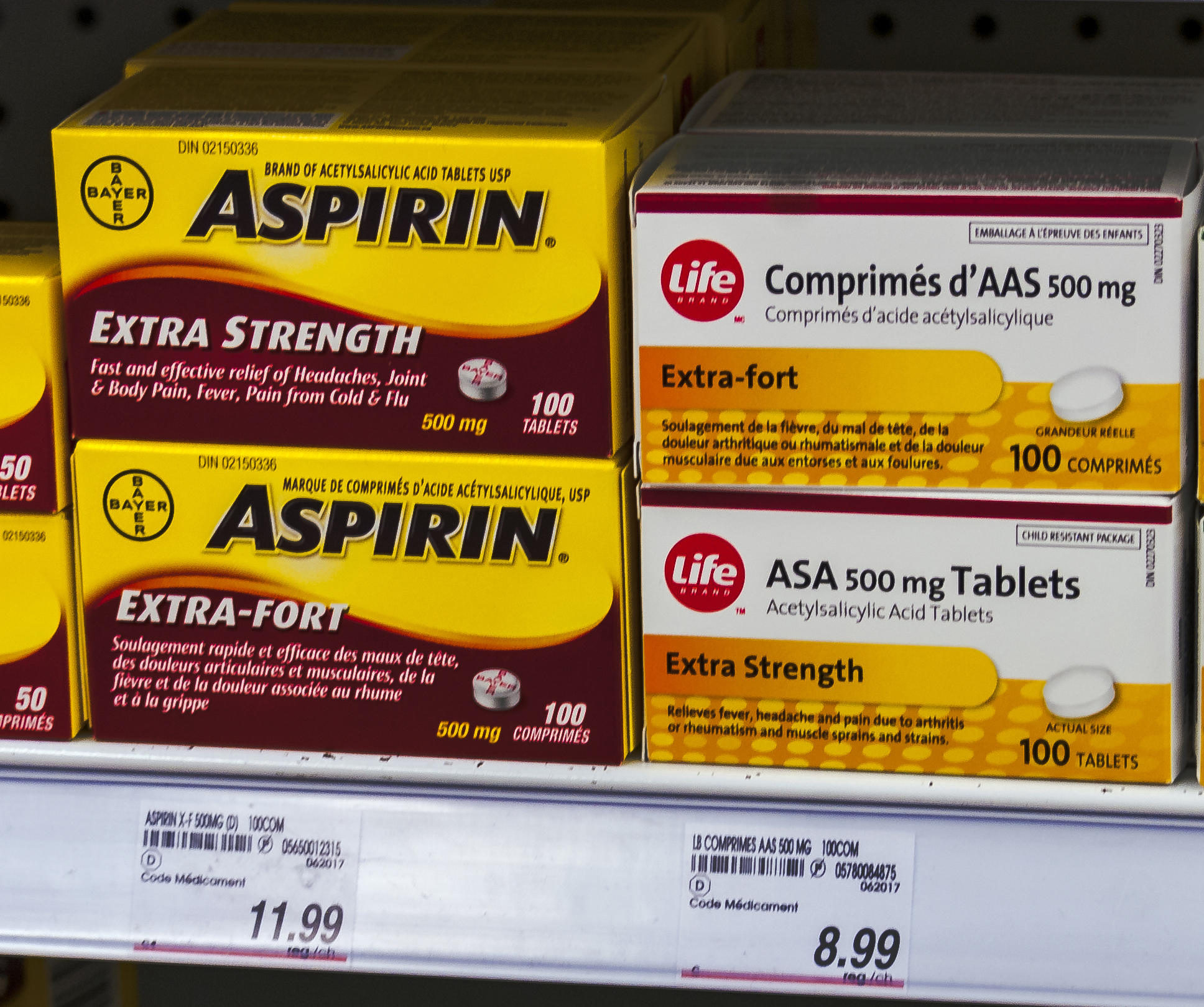
Private label brands are ubiquitous in modern retail. Their most common application is in grocery stores, where they span categories from pantry staples (like pasta and canned goods) to fresh produce and dairy, exemplified by Kroger's "Kroger" brand. In apparel, retailers like Target and Walmart offer extensive private label clothing lines for all ages, such as "Cat & Jack" and "George." Electronics retailers also utilize private labels for accessories and budget-friendly devices, with Amazon's "Amazon Basics" being a prime example. The pharmaceutical and health sectors see widespread use of private labels for over-the-counter medications and personal care items, like CVS Health's "Gold Emblem" and "CVS Health" brands, offering cost-effective alternatives to national brands. Even in the automotive sector, parts manufacturers produce private label components for auto parts retailers.
Key Facts
- Category
- business
- Type
- topic