
Contents
Overview
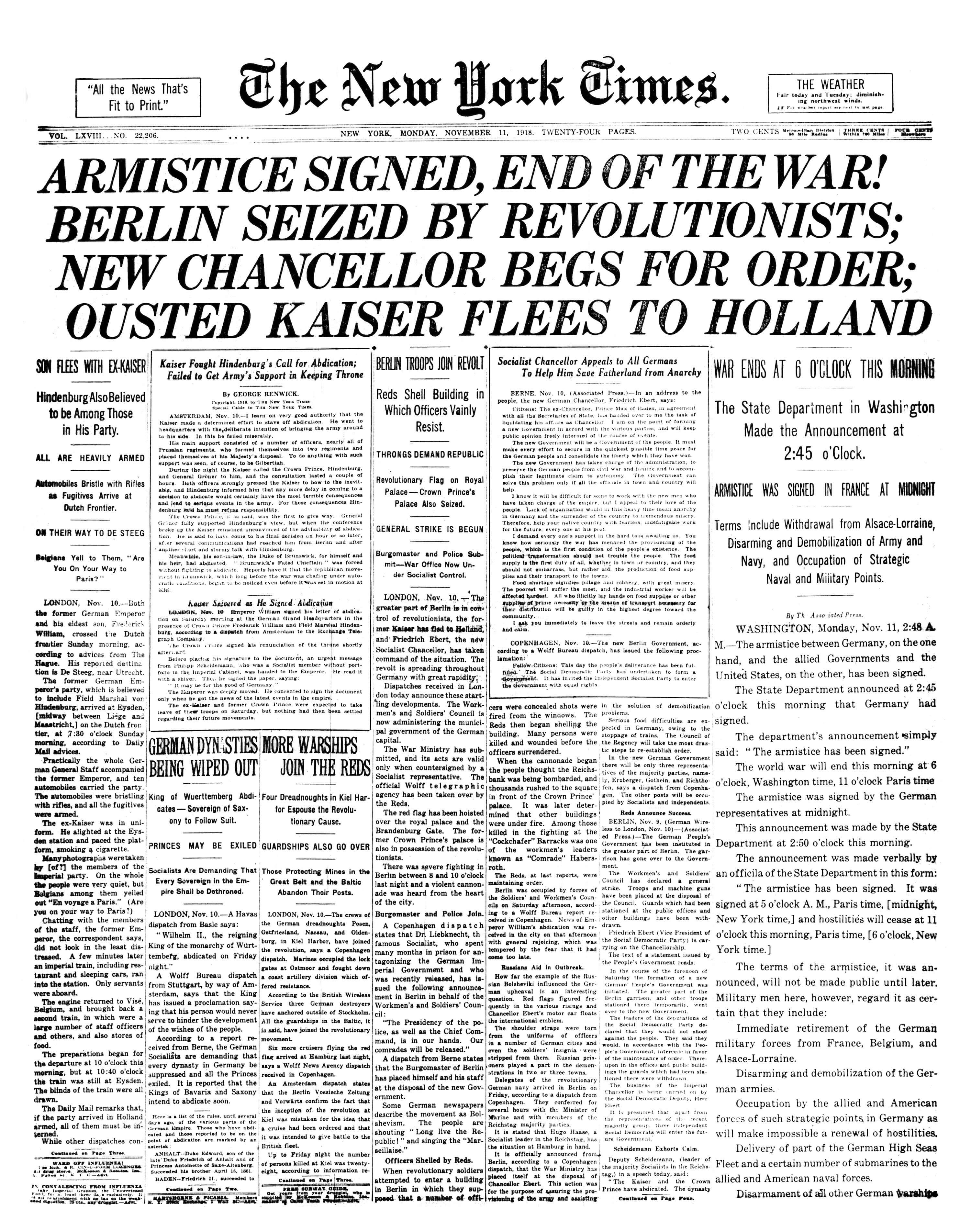
The genesis of the print newspaper can be traced back to ancient Rome with the Acta Diurna, daily bulletins posted in public spaces, but the modern newspaper as we recognize it began to take shape in Europe during the 17th century. Early precursors like the German Relation aller Fürnemmen und gedenckwürdigen Historien (published in 1605) and the English Weekly Newes (published in 1622) laid the groundwork. By the 18th century, publications like The Tatler and The Spectator in Britain, and the Pennsylvania Gazette in the American colonies, established a more regular cadence and diverse content. The 19th century saw the rise of the penny press, exemplified by Benjamin Day's New York Sun (founded in 1833), which made newspapers accessible to the masses through low prices and sensationalized content, fundamentally altering journalism and its business models. This era also saw the consolidation of news-gathering through agencies like The Associated Press, founded in 1846.
⚙️ How It Works
At its core, a print newspaper operates through a complex editorial and production process. News is gathered by reporters and editors, who then select, verify, and write stories. These are organized into sections by editors, with headlines and layouts designed for maximum impact and readability on newsprint. The finalized content is then sent to a printing press, often a massive web offset press, where it is printed onto large rolls of newsprint paper. Ink is applied to plates that transfer the image to the paper. Once printed, the papers are folded, cut, and bundled for distribution to newsstands, subscribers, and delivery personnel. This entire process, from newsroom to doorstep, often occurs overnight to ensure timely delivery of the day's events.
📊 Key Facts & Numbers
The decline of print newspapers is starkly illustrated by the numbers. In the United States, total advertising revenue for daily newspapers plummeted from a peak of $60 billion in 2005 to an estimated $15 billion in 2022, according to Statista. Circulation has followed suit; the Audit Bureau of Circulations reported that average weekly circulation for U.S. daily newspapers fell by over 50% between 2000 and 2020. Globally, while some regions like India have seen circulation growth due to rising literacy and a growing middle class, the overall trend is downward. For instance, the World Association of Newspapers and News Publishers (WAN-IFRA) has consistently reported declining print circulation figures in North America and Europe for over a decade.
👥 Key People & Organizations
Numerous individuals and organizations have shaped the print newspaper industry. Figures like Joseph Pulitzer and William Randolph Hearst defined the era of 'yellow journalism' in the late 19th and early 20th centuries, pushing the boundaries of sensationalism and circulation wars. More recently, media moguls like Rupert Murdoch have wielded immense influence through their ownership of major newspaper empires such as News Corp, which includes The Wall Street Journal and The Times of London. Organizations like the New York Times Company and the Washington Post Company represent legacy publishers grappling with digital transformation. Industry bodies like the News Media Alliance advocate for the interests of newspaper publishers.
🌍 Cultural Impact & Influence
Print newspapers have been instrumental in shaping public discourse, fostering civic engagement, and acting as a check on power for centuries. They provided a shared reality and a common ground for discussion, influencing political outcomes, social movements, and cultural trends. The editorial pages became battlegrounds for ideas, while the news sections informed citizens about everything from local governance to international affairs. The iconic image of someone reading a broadsheet newspaper over breakfast became a symbol of an informed and engaged populace. Their influence extended to literature and art, with newspaper reporters and stories often inspiring fictional works, and the very aesthetic of newsprint becoming a recognizable cultural artifact. The decline of print newspapers raises concerns about the erosion of local news coverage and the potential for a less informed electorate.
⚡ Current State & Latest Developments
The current state of print newspapers is one of precarious survival and strategic adaptation. Many legacy publications are shrinking their print operations, reducing publication days, or ceasing print editions altogether, as seen with the Christian Science Monitor which ended its daily print edition in 2009. Others are doubling down on high-quality, in-depth reporting and unique print features to differentiate themselves from digital noise, such as The New Yorker's commitment to long-form journalism. The focus for many is on building robust digital subscriptions, paywalls, and diversified revenue streams, including newsletters, podcasts, and events. The ongoing consolidation of media ownership also continues to reshape the landscape, with private equity firms acquiring struggling papers, often leading to significant layoffs and further cuts to local coverage.
🤔 Controversies & Debates
The most significant controversy surrounding print newspapers today is their perceived bias and the challenge of maintaining journalistic integrity in a polarized media environment. Critics often accuse newspapers of having partisan leanings, whether liberal or conservative, influencing their reporting and editorial stances. Economic pressures have also led to debates about the quality of journalism, with concerns that cost-cutting measures compromise investigative depth and accuracy. Furthermore, the role of print newspapers in the spread of misinformation versus their function as a bulwark against it remains a contentious issue. The debate over whether print newspapers are still relevant in the digital age, and if public funds should support them, is also ongoing.
🔮 Future Outlook & Predictions
The future of print newspapers is uncertain, with predictions ranging from complete extinction to a niche existence for select, high-quality publications. Some futurists envision print editions becoming premium, collectible items, reserved for in-depth analysis and curated content, while daily news consumption shifts entirely online. Others believe that the tactile experience and unique presentation of a physical newspaper will always hold a certain appeal, ensuring a dedicated, albeit smaller, readership. The success of digital transformation will be key; publishers that can effectively monetize their online content and build loyal digital communities are more likely to survive. The potential for new ownership models, such as non-profit structures or public trusts, is also being explored as a means to preserve local journalism.
💡 Practical Applications
While the primary application of print newspapers has historically been news dissemination, their utility extends beyond that. They serve as historical archives, providing invaluable primary source material for researchers studying past events, social trends, and cultural norms. For advertisers, they offer a way to reach specific demographics, particularly older audiences who may be less digitally engaged. In educational settings, newspapers are used to teach critical thinking, media literacy, and civic education, helping students understand current events and the role of journalism. Furthermore, the physical format itself can be repurposed for crafts, packaging, or even as a medium for artistic expression, though these are secondary to their informational role.
Key Facts
- Category
- culture
- Type
- platform