
Contents
Overview
The concept of premature birth has been recognized for centuries, with historical accounts detailing the struggles of infants born before full term. Ancient Greek physicians like Hippocrates noted the challenges faced by these vulnerable newborns. However, systematic understanding and intervention began to emerge much later. The 20th century saw significant advancements in neonatal care, with the development of incubators and specialized feeding techniques offering a lifeline to preemies. The formal definition of preterm birth, as delivery before 37 weeks, solidified over time through obstetric consensus and research, notably championed by organizations like the World Health Organization (WHO) in the latter half of the century. Early research in the 1950s and 60s by pioneers like Dr. William Osmond-Smith laid groundwork for understanding respiratory distress syndrome, a major killer of premature infants.
⚙️ How It Works
Preterm birth occurs when the physiological processes initiating labor begin too early in pregnancy. This can manifest as spontaneous preterm labor, often preceded by cervical changes and uterine contractions, or as medically indicated preterm birth, necessitated by maternal or fetal complications such as preeclampsia or fetal growth restriction. The precise biological triggers for spontaneous preterm labor are complex and not fully understood, involving a cascade of hormonal signals, inflammatory responses, and potentially genetic predispositions. Once labor begins, the cervix dilates and effaces, leading to delivery. The immature lungs of preterm infants often lack sufficient surfactant, a substance crucial for preventing alveolar collapse, leading to respiratory distress syndrome (RDS). Their underdeveloped immune systems make them highly susceptible to infections, and their thermoregulation is compromised, requiring intensive support in neonatal intensive care units (NICUs).
📊 Key Facts & Numbers
Globally, an estimated 15 million babies are born preterm each year, accounting for over 10% of all births worldwide. This translates to a staggering one in every ten infants arriving too early. The burden is disproportionately high in low- and middle-income countries, where rates can exceed 15% in some regions. Mortality associated with preterm birth is a leading cause of death for newborns, claiming approximately one million lives annually. Survivors often face long-term health issues; for instance, preterm birth is the leading cause of cerebral palsy and a major contributor to developmental delays. The economic cost is immense, with healthcare expenditures for preterm infants often reaching tens of thousands of dollars per baby in high-income countries, and significant productivity losses globally.
👥 Key People & Organizations
Key figures in the fight against preterm birth include researchers and clinicians dedicated to understanding its causes and improving outcomes. Dr. Albert Solomon was instrumental in developing artificial surfactant therapy, a breakthrough that dramatically improved survival rates for preterm infants with RDS. Organizations like the March of Dimes have been at the forefront of research funding, public awareness campaigns, and advocacy for preterm birth prevention. The World Health Organization (WHO) plays a crucial role in setting global guidelines and monitoring preterm birth rates, working with national health ministries and research institutions worldwide. Prominent research centers, such as the University of Utah's Center for Women's Reproductive Health, contribute significantly to understanding the underlying mechanisms.
🌍 Cultural Impact & Influence
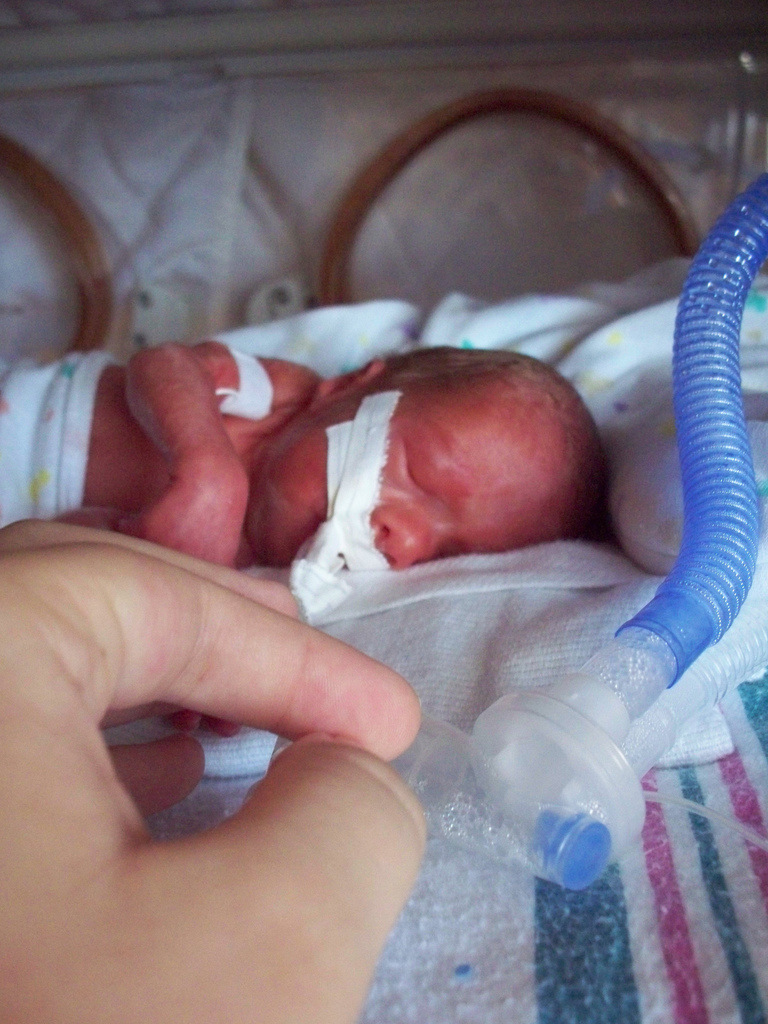
Preterm birth carries profound cultural and emotional weight, often evoking intense anxiety and grief for affected families. The 'preemie' experience has become a recognizable narrative in popular culture, depicted in films, television shows, and literature, highlighting both the fragility and resilience of these infants and their families. The development of specialized NICU environments, while life-saving, can also be isolating for parents, leading to unique family dynamics and coping mechanisms. Public awareness campaigns, often spearheaded by organizations like the March of Dimes, have helped destigmatize the experience and foster greater societal understanding and support for families navigating the challenges of premature birth. The visual of tiny infants in incubators has become an enduring symbol of medical advancement and parental devotion.
⚡ Current State & Latest Developments
Current efforts focus on identifying effective prevention strategies and improving care for those born too soon. The WHO's Every Newborn Action Plan aims to reduce preventable newborn deaths and stillbirths, with a significant focus on preterm birth. Research is exploring novel biomarkers for predicting preterm labor, such as specific proteins or microRNAs in maternal blood or cervical secretions. Advances in neonatal intensive care continue, with developments in non-invasive ventilation techniques, improved nutritional support, and neuroprotective strategies. Telemedicine and remote monitoring are emerging as tools to support high-risk pregnancies in underserved areas. The global push for universal health coverage aims to ensure more women have access to essential antenatal and neonatal care, a critical step in reducing preterm birth disparities.
🤔 Controversies & Debates
Significant debates persist regarding the optimal management of late preterm infants (34-36 weeks). While historically treated with the same intensity as earlier preemies, research suggests many late preterm infants are physiologically mature enough for less intensive care, though they still face higher risks than full-term babies. This has led to evolving guidelines on discharge criteria and follow-up care. Another area of contention is the definition and measurement of preterm birth itself, with variations in gestational age calculation and reporting across different countries and healthcare systems. The ethical considerations surrounding the viability of extremely preterm infants (born before 24 weeks) also remain a sensitive topic, involving complex decisions about aggressive interventions versus palliative care.
🔮 Future Outlook & Predictions
The future of preterm birth management hinges on personalized medicine and advanced predictive analytics. Researchers are working to develop algorithms that can accurately predict an individual's risk of preterm birth based on a combination of genetic, environmental, and clinical factors. This could lead to highly targeted preventive interventions, such as specific progesterone therapies or lifestyle modifications. Innovations in fetal medicine may offer in-utero treatments for certain complications. Furthermore, the development of more sophisticated artificial organs or bio-engineered solutions could one day address the organ immaturity that plagues extremely preterm infants. The ultimate goal is to shift from managing the consequences of preterm birth to preventing it altogether, a monumental but increasingly attainable objective.
💡 Practical Applications
Practical applications for understanding preterm birth span multiple domains. In clinical settings, this knowledge informs antenatal care protocols, guiding obstetricians on risk assessment, monitoring, and timely intervention. Neonatologists utilize this understanding to tailor care in NICUs, optimizing respiratory support, nutrition, and infection control for premature infants. Public health initiatives leverage data on preterm birth rates to allocate resources, target interventions in high-risk communities, and drive policy changes. Furthermore, the development of specialized medical equipment, from neonatal ventilators to advanced incubators, is a direct application of research into the physiological needs of premature infants. Educational programs for expectant parents also incorporate information on recognizing the signs of preterm labor.
Key Facts
- Category
- science
- Type
- topic