
Contents
Overview
Pollinator gardening is the intentional design and cultivation of landscapes to provide essential resources—nectar, pollen, and habitat—for pollinating insects and other animals. By prioritizing native plants, avoiding pesticides, and offering diverse floral resources throughout the growing season, these gardens become ecological anchors. The practice has gained significant traction globally, driven by scientific understanding of pollinator decline and a growing public awareness of ecological interdependence. Beyond ecological benefits, pollinator gardens enhance biodiversity, beautify spaces, and offer educational opportunities, fostering a deeper connection between humans and the natural world.
🎵 Origins & History
The concept of intentionally cultivating plants for beneficial insects isn't entirely new, with historical precedents in traditional agricultural practices that recognized the role of wild insects. Modern pollinator gardening as a distinct movement gained momentum in the late 20th and early 21st centuries, spurred by mounting scientific evidence of pollinator decline.
⚙️ How It Works
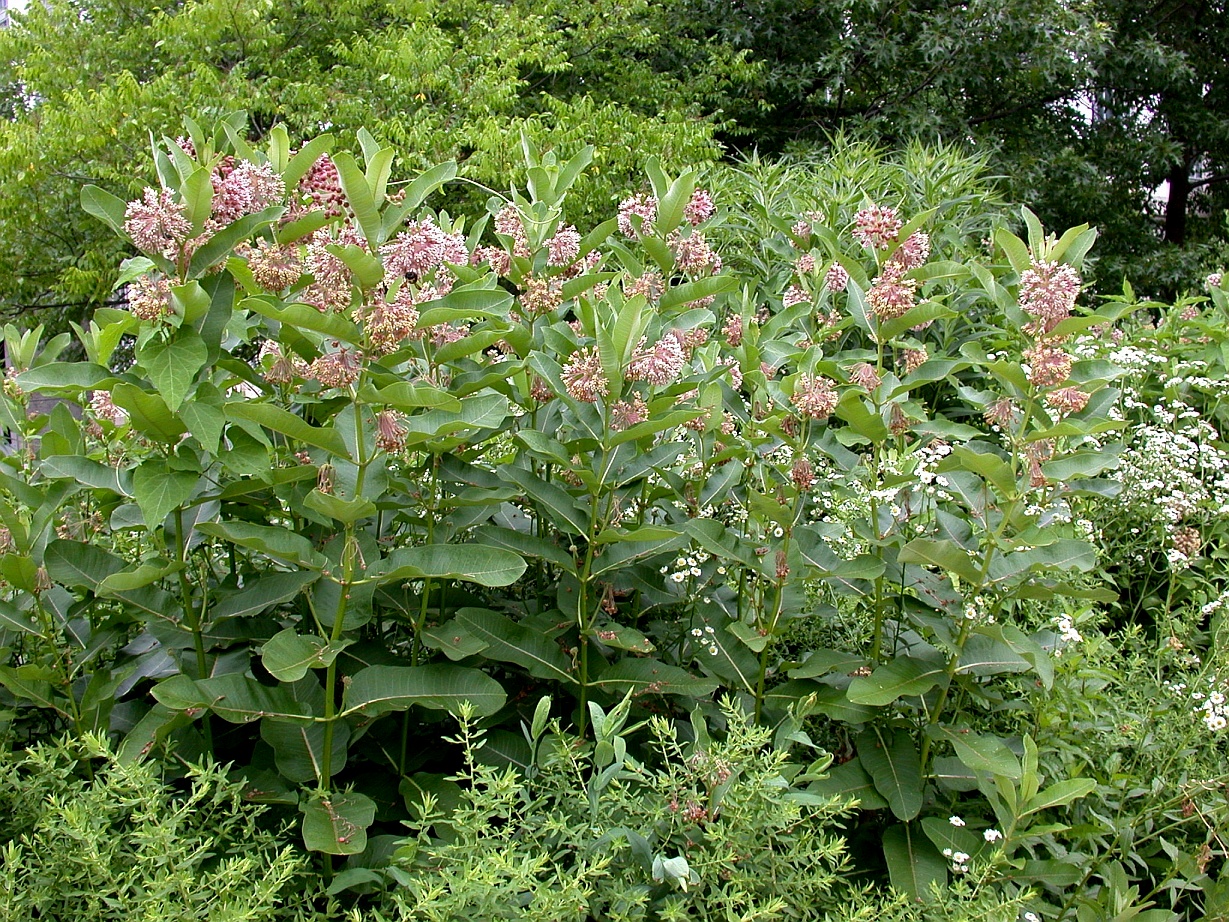
At its core, pollinator gardening involves selecting plants that provide continuous sources of nectar and pollen from early spring through late fall. This means incorporating a diverse array of species, ideally native to the region, as they are best suited to support local pollinator fauna. Key elements include providing a variety of flower shapes and colors to attract different pollinator types, such as long-tubed flowers for hummingbirds and bumblebees, and flat-topped flowers for butterflies and smaller bees. Shelter is also crucial; this can be provided by leaving some bare ground for ground-nesting bees, incorporating host plants for butterfly larvae (like milkweed for monarch caterpillars), and offering overwintering sites like hollow stems or leaf litter.
📊 Key Facts & Numbers
Globally, pollinators are responsible for the reproduction of over 75% of the world's flowering plants and about 35% of the world's food crops. The economic value of pollination services is estimated to be between $235 billion and $577 billion annually worldwide. In the United States alone, native bees, which are often the primary focus of pollinator gardens, contribute billions of dollars to agriculture each year. For instance, bumblebees are crucial for pollinating crops like blueberries and tomatoes, with some species being up to 100 times more effective than honeybees for certain crops. The decline is stark: some studies suggest populations of certain native bee species have dropped by over 90% in recent decades. A single acre of wildflower meadow can support thousands of individual pollinators.
👥 Key People & Organizations
Key figures driving the pollinator gardening movement include Dr. Doug Tallamy, an entomologist and author whose work has galvanized homeowners to transform lawns into native plant havens. Martha Stewart has also played a role in popularizing the aesthetic and practical aspects of pollinator-friendly gardening through her media platforms. Organizations like the Xerces Society for Invertebrate Conservation provide extensive resources and advocacy, while the National Audubon Society has expanded its focus to include pollinator conservation. Local conservation districts, university extension offices, and numerous non-profit groups like Pollinator Partnership are actively involved in promoting native plant sales and educational workshops. The USDA also supports research and initiatives related to pollinator health.
🌍 Cultural Impact & Influence
The influence of pollinator gardening extends far beyond individual backyards. It has become a significant cultural touchstone, fostering a greater appreciation for biodiversity and ecological processes. This has led to increased demand for native plants, influencing the horticultural industry and nursery practices. Public spaces, from parks and schools to corporate campuses and highway medians, are increasingly being converted into pollinator habitats, demonstrating a shift in landscape management priorities. The visual appeal of a garden teeming with bees and butterflies has also inspired artists, photographers, and writers, embedding the concept into popular culture. Furthermore, it has spurred educational initiatives, connecting children and adults to the vital role of insects in our food systems and ecosystems.
⚡ Current State & Latest Developments
The current state of pollinator gardening is one of robust growth and increasing integration into mainstream environmental efforts. Many municipalities are adopting pollinator-friendly policies for public lands, and there's a surge in community-led initiatives like Pollinator Pathways projects, which aim to create connected corridors of habitat across landscapes. The development of specialized native plant nurseries has made resources more accessible to the public. Scientific research continues to refine best practices, focusing on habitat fragmentation, pesticide impacts, and the specific needs of various pollinator guilds. The rise of citizen science projects, such as Bumble Bee Watch, allows individuals to contribute valuable data to researchers, further solidifying the public's role in conservation.
🤔 Controversies & Debates
One of the primary debates centers on the efficacy of non-native 'pollinator-friendly' plants versus strictly native species. While many non-native plants can provide nectar, critics argue they often lack the specific nutritional value and co-evolved relationships that native plants offer, potentially creating 'ecological traps' or outcompeting native flora. Another point of contention is the role of managed pollinators, like honeybees, versus supporting native pollinators. While honeybees are vital for agriculture, some conservationists argue that an overemphasis on them can detract from the urgent needs of declining native bee populations. The use of 'bee hotels' or artificial nesting structures also faces scrutiny, with some experts questioning their long-term effectiveness and potential for disease transmission if not properly maintained.
🔮 Future Outlook & Predictions
The future of pollinator gardening appears bright, with continued expansion into urban and suburban environments likely. We can anticipate more widespread adoption of pollinator-friendly landscaping mandates for new developments and a greater integration of these gardens into climate change adaptation strategies, as they can help build resilient ecosystems. Expect further innovation in plant breeding for pollinator attraction and resilience, alongside continued research into the complex interactions between plants, pollinators, and their environment. The potential for large-scale ecological restoration projects, incorporating pollinator habitats on agricultural lands and in degraded ecosystems, is immense. Furthermore, as awareness grows, pollinator gardening may become a standard component of sustainable urban planning and land management globally.
💡 Practical Applications
Pollinator gardening has direct practical applications across various scales. For homeowners, it's a way to create beautiful, low-maintenance gardens that support local wildlife and reduce lawn care. In agriculture, integrating pollinator habitats around fields can enhance crop yields through improved natural pollination and pest control services, a concept known as agroecology. Municipalities are using pollinator gardens in parks, along roadsides, and in public spaces to increase biodiversity, manage stormwater, and create educational opportunities. Schools are incorporating them into curricula, providing hands-on learning experiences about ecology and food systems. Even small spaces like balconies and window boxes can be transformed into vital pollinator stops with the right plant choices.
Key Facts
- Category
- nature
- Type
- topic