
Contents
- 🌼 Introduction to Pollination Ecology
- 🐝 The Role of Pollinators
- 🌿 Plant-Pollinator Interactions
- 📊 Key Facts and Numbers
- 👥 Key People and Organizations
- 🌍 Cultural Impact and Influence
- ⚡ Current State and Latest Developments
- 🤔 Controversies and Debates
- 🔮 Future Outlook and Predictions
- 💡 Practical Applications
- Frequently Asked Questions
- References
- Related Topics
Overview
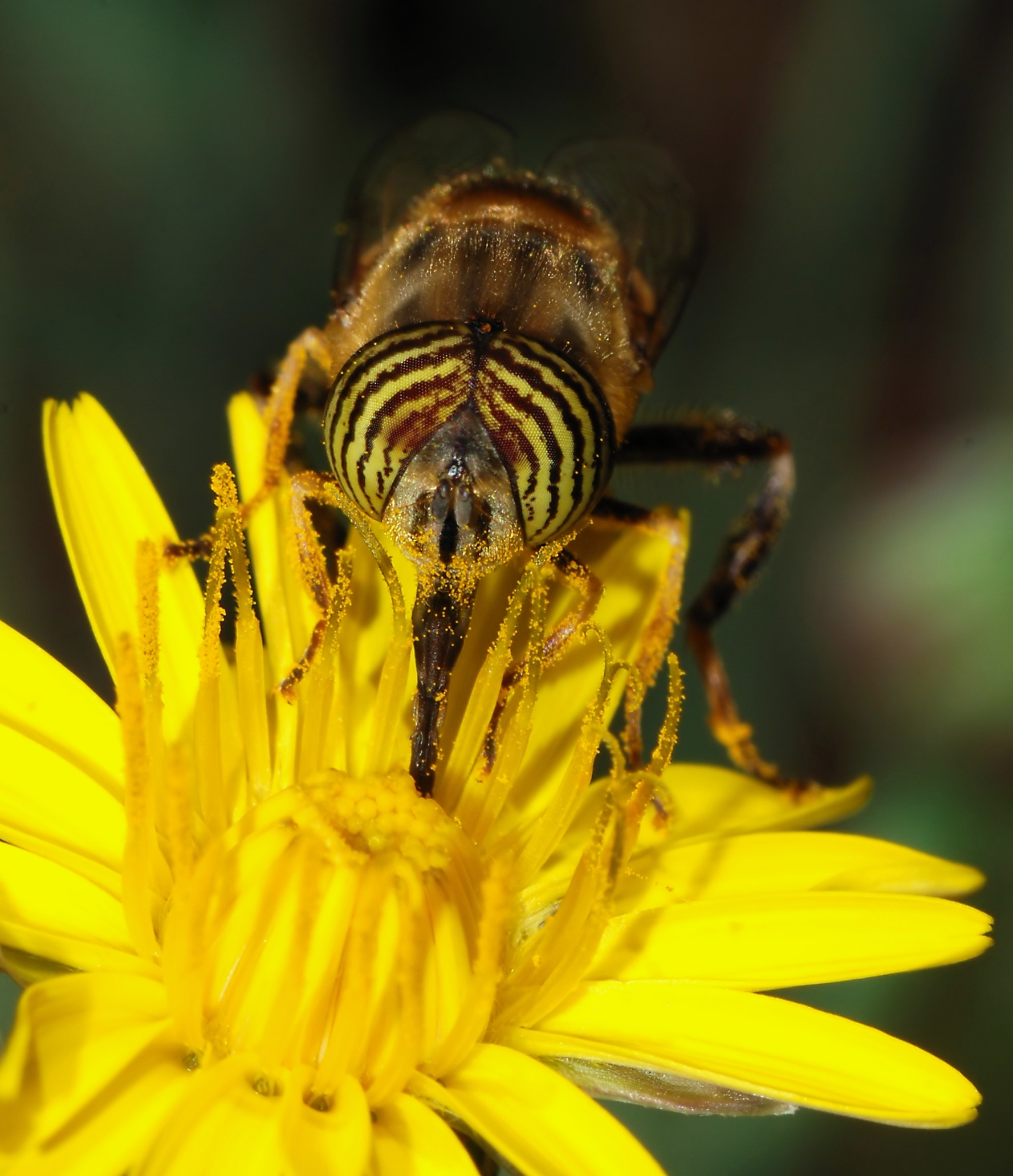
Pollination ecology is the study of the complex interactions between plants and their pollinators, which are crucial for the reproduction of most plant species. With over 80% of the world's crop species relying on animal pollination, the importance of pollination ecology cannot be overstated. From the busy buzzing of bees to the gentle flutter of butterflies, pollinators play a vital role in maintaining the health of ecosystems and ensuring food security. As we face the challenges of climate change, habitat destruction, and pollinator decline, understanding pollination ecology is more critical than ever. The study of pollination ecology involves understanding the complex relationships between plants, pollinators, and their environments, and how these interactions impact ecosystem function and biodiversity. By exploring the fascinating world of pollination ecology, we can gain a deeper appreciation for the intricate web of life that surrounds us and work towards preserving the delicate balance of our planet's ecosystems. The global value of pollination services is estimated to be over $200 billion, making pollination ecology a vital component of our planet's ecological and economic well-being.
🌼 Introduction to Pollination Ecology
Pollination ecology is a fascinating field of study that has been shaped by the contributions of many scientists, including Charles Darwin, who first described the importance of pollinators in his book 'On the Origin of Species'. The study of pollination ecology involves understanding the complex relationships between plants, pollinators, and their environments, and how these interactions impact ecosystem function and biodiversity. For example, the work of E.O. Wilson on island biogeography has helped us understand how pollinators contribute to the diversity of plant species. Today, organizations such as the xerces Society and the Pollinator Partnership are working to protect pollinators and promote sustainable ecosystem management. The USDA is also working to develop new technologies to support pollinator health, while companies like Monsanto and Bayer are developing new products to support pollinator health.
🐝 The Role of Pollinators
Pollinators, such as bees, butterflies, and hummingbirds, play a crucial role in the reproduction of most plant species. Without pollinators, many plants would be unable to reproduce, and our food supply would be severely impacted. In fact, it's estimated that one-third of all the food we eat is directly or indirectly dependent on bee pollination. Companies like Whole Foods are supporting sustainable agriculture by sourcing products from farms that use pollinator-friendly practices. The National Park Service is also working to restore habitats and promote ecosystem function in national parks across the United States.
🌿 Plant-Pollinator Interactions
Plant-pollinator interactions are complex and multifaceted, involving a range of signals and cues that help pollinators locate and access nectar and pollen. For example, the shape and color of flowers can influence the types of pollinators that visit them, while the scent of flowers can attract specific types of pollinators. Researchers like Jane Goodall have shown that even small changes in the environment can have significant impacts on pollinator populations and ecosystem function. By studying these interactions, we can gain a deeper understanding of the intricate web of life that surrounds us and work to preserve the delicate balance of our planet's ecosystems. The Food and Agriculture Organization of the United Nations is also working to promote sustainable agriculture practices and protect pollinator health.
📊 Key Facts and Numbers
Some key facts and numbers about pollination ecology include: 80% of the world's crop species rely on animal pollination, 1/3 of all the food we eat is directly or indirectly dependent on bee pollination, and the global value of pollination services is estimated to be over $200 billion. Organizations like the Nature Conservancy and the World Wildlife Fund are working to protect pollinators and preserve ecosystem function. Companies like Patagonia are also promoting sustainable agriculture practices by sourcing products from farms that use pollinator-friendly practices.
👥 Key People and Organizations
Key people and organizations involved in pollination ecology include scientists like David Suzuki and Paul Ehrlich, who have worked to raise awareness about the importance of pollinators and the impacts of human activities on ecosystem health. Organizations like the xerces Society and the Pollinator Partnership are also working to protect pollinators and promote sustainable ecosystem management. By supporting these efforts, we can help ensure the long-term health of our planet's ecosystems.
🌍 Cultural Impact and Influence
Pollination ecology has had a significant cultural impact and influence, with many artists, writers, and musicians drawing inspiration from the natural world. For example, the work of Claude Monet and Vincent van Gogh often featured flowers and landscapes, while the music of John Lennon and Paul McCartney often referenced nature and the environment. By exploring the cultural significance of pollination ecology, we can gain a deeper appreciation for the ways in which human activities impact the natural world.
⚡ Current State and Latest Developments
The current state of pollination ecology is a topic of significant concern, with many pollinator populations in decline due to habitat destruction, pesticide use, and climate change. However, there are also many efforts underway to protect pollinators and promote sustainable ecosystem management. For example, the European Union has implemented policies to protect pollinators, while organizations like The Nature Conservancy are working to restore habitats and promote ecosystem function.
🤔 Controversies and Debates
There are many controversies and debates surrounding pollination ecology, including the use of pesticides and genetically modified organisms (GMOs) in agriculture. Some argue that these technologies are necessary to feed a growing global population, while others argue that they pose significant risks to ecosystem health. Researchers like Vandana Shiva have argued that sustainable agriculture practices, such as organic farming and agroecology, are essential for preserving ecosystem function and promoting food security.
🔮 Future Outlook and Predictions
The future outlook for pollination ecology is uncertain, but there are many reasons to be optimistic. With growing awareness about the importance of pollinators and the impacts of human activities on ecosystem health, there is a growing movement to protect pollinators and promote sustainable ecosystem management. For example, the USDA is working to develop new technologies to support pollinator health, while organizations like The Xerces Society are promoting sustainable agriculture practices.
💡 Practical Applications
Practical applications of pollination ecology include the development of sustainable agriculture practices, such as organic farming and agroecology, which prioritize ecosystem health and biodiversity. Companies like Patagonia are also promoting sustainable agriculture practices by sourcing products from farms that use pollinator-friendly practices. By supporting these efforts, we can help ensure the long-term health of our planet's ecosystems and promote food security.
Key Facts
- Year
- 2023
- Origin
- Global
- Category
- nature
- Type
- concept
Frequently Asked Questions
What is pollination ecology?
Pollination ecology is the study of the interactions between plants and their pollinators, which are crucial for the reproduction of most plant species. This field of study involves understanding the complex relationships between plants, pollinators, and their environments, and how these interactions impact ecosystem function and biodiversity. For example, the work of E.O. Wilson on island biogeography has helped us understand how pollinators contribute to the diversity of plant species.
Why is pollination ecology important?
Pollination ecology is important because it helps us understand the complex relationships between plants, pollinators, and their environments, and how these interactions impact ecosystem function and biodiversity. With over 80% of the world's crop species relying on animal pollination, the importance of pollination ecology cannot be overstated. For example, the USDA is working to develop new technologies to support pollinator health, while organizations like The Xerces Society are promoting sustainable agriculture practices.
What are some key facts and numbers about pollination ecology?
Some key facts and numbers about pollination ecology include: 80% of the world's crop species rely on animal pollination, 1/3 of all the food we eat is directly or indirectly dependent on bee pollination, and the global value of pollination services is estimated to be over $200 billion. Companies like Whole Foods are also supporting sustainable agriculture by sourcing products from farms that use pollinator-friendly practices.
Who are some key people involved in pollination ecology?
Some key people involved in pollination ecology include scientists like David Suzuki and Paul Ehrlich, who have worked to raise awareness about the importance of pollinators and the impacts of human activities on ecosystem health. Organizations like the Nature Conservancy and the World Wildlife Fund are also working to protect pollinators and preserve ecosystem function.
What are some practical applications of pollination ecology?
Practical applications of pollination ecology include the development of sustainable agriculture practices, such as organic farming and agroecology, which prioritize ecosystem health and biodiversity. Companies like Patagonia are also promoting sustainable agriculture practices by sourcing products from farms that use pollinator-friendly practices. By supporting these efforts, we can help ensure the long-term health of our planet's ecosystems and promote food security.
What is the current state of pollination ecology?
The current state of pollination ecology is a topic of significant concern, with many pollinator populations in decline due to habitat destruction, pesticide use, and climate change. However, there are also many efforts underway to protect pollinators and promote sustainable ecosystem management. For example, the European Union has implemented policies to protect pollinators, while organizations like The Nature Conservancy are working to restore habitats and promote ecosystem function.
What are some controversies and debates surrounding pollination ecology?
There are many controversies and debates surrounding pollination ecology, including the use of pesticides and genetically modified organisms (GMOs) in agriculture. Some argue that these technologies are necessary to feed a growing global population, while others argue that they pose significant risks to ecosystem health. Researchers like Vandana Shiva have argued that sustainable agriculture practices, such as organic farming and agroecology, are essential for preserving ecosystem function and promoting food security.
What is the future outlook for pollination ecology?
The future outlook for pollination ecology is uncertain, but there are many reasons to be optimistic. With growing awareness about the importance of pollinators and the impacts of human activities on ecosystem health, there is a growing movement to protect pollinators and promote sustainable ecosystem management. For example, the USDA is working to develop new technologies to support pollinator health, while organizations like The Xerces Society are promoting sustainable agriculture practices.
How can I get involved in pollination ecology?
There are many ways to get involved in pollination ecology, from planting pollinator-friendly gardens to supporting organizations that work to protect pollinators and promote sustainable ecosystem management. By taking action, we can help ensure the long-term health of our planet's ecosystems and promote food security. For example, the National Park Service is working to restore habitats and promote ecosystem function in national parks across the United States.
What are some related topics to pollination ecology?
Some related topics to pollination ecology include ecology, botany, entomology, and sustainable agriculture. By exploring these topics, we can gain a deeper understanding of the complex relationships between plants, pollinators, and their environments, and how these interactions impact ecosystem function and biodiversity. For example, the work of E.O. Wilson on island biogeography has helped us understand how pollinators contribute to the diversity of plant species.