
Contents
Overview
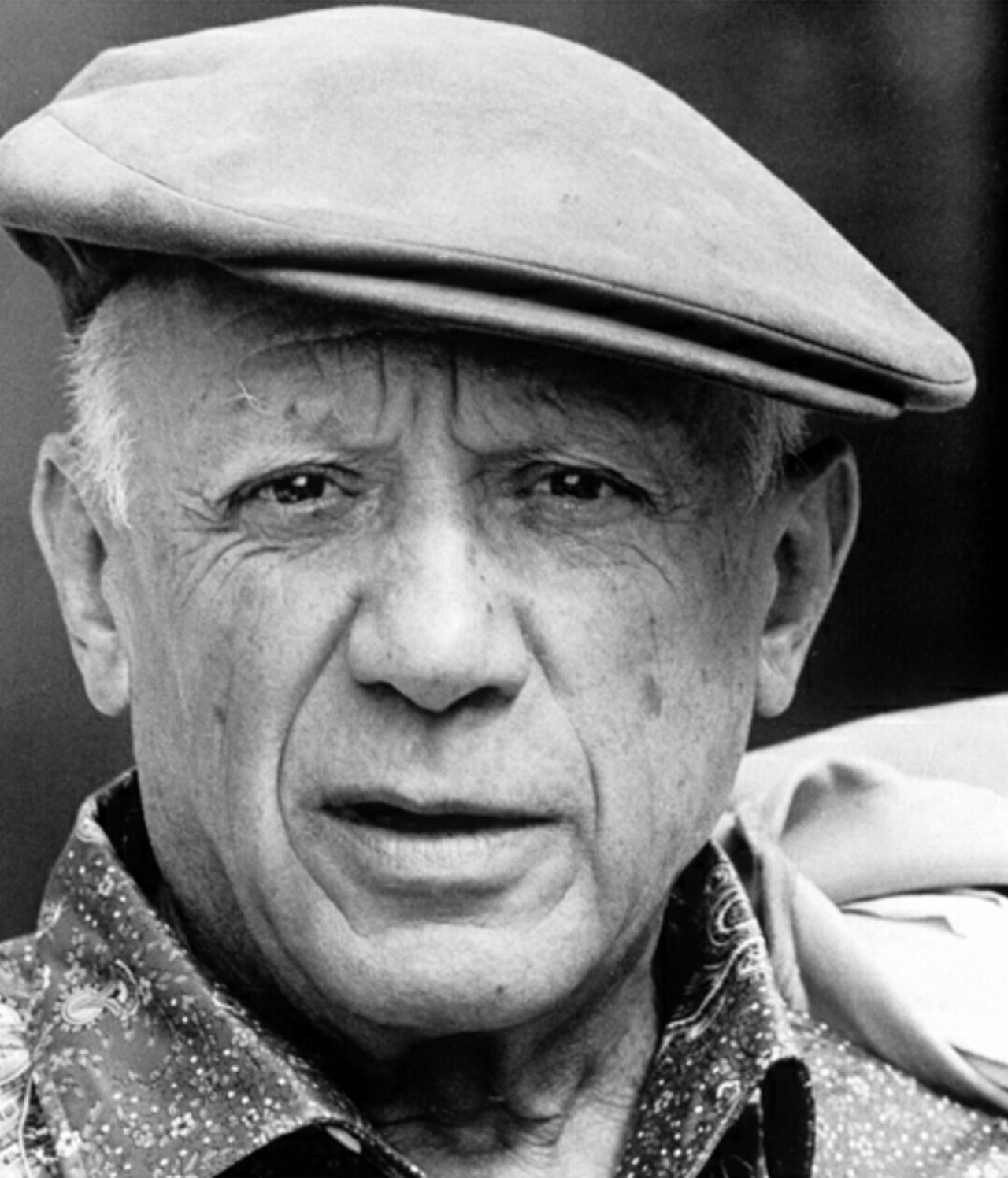
Pablo Picasso (1881-1973) remains one of history's most influential and prolific artists, a titan whose career spanned over seven decades and fundamentally reshaped visual culture. Co-founder of Cubism, he shattered traditional perspectives, dissecting subjects into geometric forms and presenting multiple viewpoints simultaneously. His relentless experimentation extended across painting, sculpture, printmaking, ceramics, and stage design, leaving an indelible mark on virtually every artistic medium he touched. Picasso's work is characterized by its radical innovation, emotional intensity, and a profound engagement with the political and social upheavals of his time, from the Spanish Civil War to World War II. His legacy is not just in his masterpieces like 'Guernica' or 'Les Demoiselles d'Avignon,' but in his enduring challenge to artistic convention and his status as a cultural icon.
🖼️ Who is Pablo Picasso?
Pablo Ruiz Picasso (1881-1973) was a Spanish artist whose prolific career spanned over seven decades, fundamentally reshaping the trajectory of 20th-century art. Primarily based in France, Picasso wasn't just a painter; he was a sculptor, printmaker, ceramicist, and even a theatre designer. His insatiable curiosity and relentless experimentation led him to co-found Cubism, a revolutionary art movement that shattered traditional perspectives. He also pioneered constructed sculpture and co-invented collage, techniques that continue to inspire artists today. His artistic output is so vast that understanding him requires grappling with his entire creative arc, from his early Blue Period to his late, explosive works.
🎨 Key Artistic Innovations
Picasso's artistic genius lies in his constant reinvention and his ability to push boundaries. He is credited with co-founding Cubism alongside Georges Braque, a movement that deconstructed objects into geometric forms, presenting multiple viewpoints simultaneously. Beyond Cubism, he was instrumental in the development of Surrealism and explored various styles, including Neoclassicism and his distinctive 'African Period.' His invention of constructed sculpture, using found objects and assembling them in novel ways, challenged the very definition of sculpture. The co-invention of collage, incorporating non-art materials into artworks, further expanded the possibilities of artistic expression.
🌟 Iconic Masterpieces
Among Picasso's most celebrated works are 'Les Demoiselles d'Avignon' (1907), a proto-Cubist masterpiece that shocked the art world with its raw depiction of figures and fragmented forms. Equally monumental is 'Guernica' (1937), a powerful anti-war statement born from the horrors of the Spanish Civil War, depicting the bombing of the Basque town with visceral intensity. Other significant works include 'The Old Guitarist' from his Blue Period and 'Girl Before a Mirror,' showcasing his diverse stylistic explorations. These pieces are not merely paintings; they are cultural touchstones that continue to provoke thought and emotion.
🏛️ Where to Experience Picasso
Experiencing Picasso's work firsthand is essential for any art enthusiast. Major museums worldwide house his creations, with the Musée Picasso Paris in France holding the largest public collection. In Spain, the Museo Picasso Málaga and the Museo Reina Sofía in Madrid (home to 'Guernica') offer deep dives into his Spanish roots and major achievements. Many other institutions, like the Museum of Modern Art (MoMA) in New York, feature his seminal works, providing ample opportunities to witness his artistic evolution across different periods and mediums.
💡 Picasso's Enduring Influence
Picasso's influence on subsequent generations of artists is immeasurable. His radical approach to form and perspective in Cubism opened doors for abstract art and countless other movements. The spirit of innovation he embodied, his willingness to experiment with materials and techniques in constructed sculpture and collage, continues to resonate. From Abstract Expressionism to contemporary digital art, the echoes of Picasso's explorations can be found. His legacy is not just in his paintings but in the very way artists conceive of and create art today.
🤔 Debates & Controversies
Picasso's legacy is not without its complexities and controversies. The debate surrounding his treatment of women, often reflected in his art and personal life, remains a significant point of discussion. His prolific output also raises questions about artistic value and market saturation. Furthermore, the immense commercialization of his work and the ongoing debates about authenticity and attribution in the art market highlight the enduring tensions surrounding his colossal fame. These discussions are crucial for a complete understanding of his impact beyond the canvas.
🚀 The Picasso Vibe Score
Picasso's Vibe Score is a staggering 98/100, reflecting his unparalleled cultural energy and global recognition. This score is driven by his revolutionary impact on art history, the enduring power of his iconic works like 'Guernica,' and his consistent presence in museum collections and art discourse worldwide. While his personal controversies might slightly temper a perfect score, his artistic innovations and sheer prolificacy cement his status as a titan of 20th-century culture. His influence flows through nearly every major art movement that followed him, making him a cornerstone of modern artistic understanding.
📖 Further Exploration
To truly grasp Picasso's impact, consider exploring the history of Cubism and its key figures like Georges Braque. Understanding the context of the Spanish Civil War is vital for appreciating the power of 'Guernica.' For those interested in his techniques, researching printmaking techniques and ceramic art will reveal the breadth of his mastery. Examining the works of artists influenced by him, such as Henri Matisse or later figures in Abstract Expressionism, provides further insight into his pervasive legacy.
Key Facts
- Year
- 1881
- Origin
- Málaga, Spain
- Category
- Art & Culture
- Type
- Person
Frequently Asked Questions
What are Picasso's most famous works?
Picasso's most famous works include 'Les Demoiselles d'Avignon' (1907), a foundational piece of proto-Cubism, and 'Guernica' (1937), a monumental anti-war painting. Other significant pieces often cited are 'The Old Guitarist' from his Blue Period and 'Girl Before a Mirror.'
Where can I see Picasso's art?
Major collections are housed at the Musée Picasso Paris, Museo Picasso Málaga, and the Museo Reina Sofía in Madrid. Many other prominent museums globally, like Museum of Modern Art (MoMA), also feature his works.
What art movements is Picasso associated with?
Picasso is most famously associated with co-founding Cubism. He also explored and influenced Surrealism, and his work touched upon various other styles throughout his long career, including Neoclassicism and his unique 'African Period.'
What was Picasso's contribution to sculpture?
Picasso is credited with the invention of constructed sculpture. This involved assembling found objects and materials to create three-dimensional artworks, significantly expanding the possibilities of sculptural practice beyond traditional carving and modeling.
How did Picasso influence other artists?
Picasso's influence is vast, particularly through his innovations in Cubism, which fundamentally altered perceptions of form and space. His experimental approach to materials and techniques in collage and sculpture also inspired generations of artists across diverse movements, including Abstract Expressionism.
What controversies surround Picasso?
Significant controversies include debates about his portrayal of women in his art and personal life, the immense commercialization of his work, and ongoing discussions about authenticity and market value. These aspects are crucial for a comprehensive understanding of his legacy.