
Contents
Overview
Photovoltaic (PV) panel technology is the science and engineering behind converting sunlight directly into electricity using semiconductor materials. This process, known as the photovoltaic effect, is the cornerstone of solar energy generation. PV systems, composed of interconnected solar cells within panels, are deployed globally on rooftops, in vast solar farms, and even on floating structures, with fixed or tracking mounts optimizing sun exposure. The technology is a critical weapon in the fight against climate change, offering a clean alternative to fossil fuels by producing electricity with zero operational greenhouse gas emissions. While silicon remains the dominant material due to its abundance, ongoing research explores diverse materials and designs to enhance efficiency and reduce costs, driving the rapid expansion of solar power worldwide.
🎵 Origins & History
The genesis of photovoltaic technology traces back to early experiments with the photovoltaic effect. The first solar cell was created in 1883, though it was a rudimentary device. Decades of research and development, spurred by energy crises and environmental concerns, gradually brought down costs and improved efficiencies, leading to the widespread adoption we see today. Early applications were limited to niche markets like satellites and remote power systems, notably powering the Vanguard 1 satellite in 1958.
⚙️ How It Works
At its heart, photovoltaic panel technology relies on semiconductor materials. When photons from sunlight strike the semiconductor, they excite electrons, creating electron-hole pairs. An internal electric field within the p-n junction forces these electrons to flow in one direction, generating a direct current (DC). This DC electricity is then typically converted to alternating current (AC) by an inverter for use in homes and businesses or for feeding into the grid. The efficiency of a solar cell, a measure of how much sunlight it converts into electricity, is determined by factors like material purity, cell design, and the presence of anti-reflective coatings. Different types of solar cells exist, including monocrystalline silicon, polycrystalline silicon, and thin-film technologies like cadmium telluride (CdTe) and copper indium gallium selenide (CIGS), each with distinct performance characteristics and manufacturing processes.
📊 Key Facts & Numbers
The global solar PV market is experiencing explosive growth. The International Energy Agency (IEA) tracks global solar PV capacity. The cost of solar PV electricity has decreased significantly in the last decade, making it one of the cheapest sources of new electricity generation in many regions. Residential rooftop solar systems typically range from 3 to 10 kilowatts (kW), while utility-scale solar farms can exceed hundreds of megawatts (MW). The efficiency of commercially available silicon solar panels has steadily increased, with top-tier modules now achieving efficiencies of over 22%, and laboratory records pushing past 26%. The global market for solar panels is valued at over $150 billion annually.
👥 Key People & Organizations
Key figures in photovoltaic panel technology include Daryl Chapin, Calvin Fuller, and Gerald Pearson, who were involved in early solar cell development. Martin Green, an Australian professor, is renowned for his pioneering work on passivated emitter and rear cell (PERC) technology, which significantly boosted solar cell efficiency. Companies like JinkoSolar, LONGi Green Energy Technology, and Trina Solar are dominant players in global solar panel manufacturing, driving innovation and economies of scale. Research institutions such as the National Renewable Energy Laboratory (NREL) in the United States and the Fraunhofer Institute for Solar Energy Systems (Fraunhofer ISE) in Germany are at the forefront of advancing PV science and engineering.
🌍 Cultural Impact & Influence
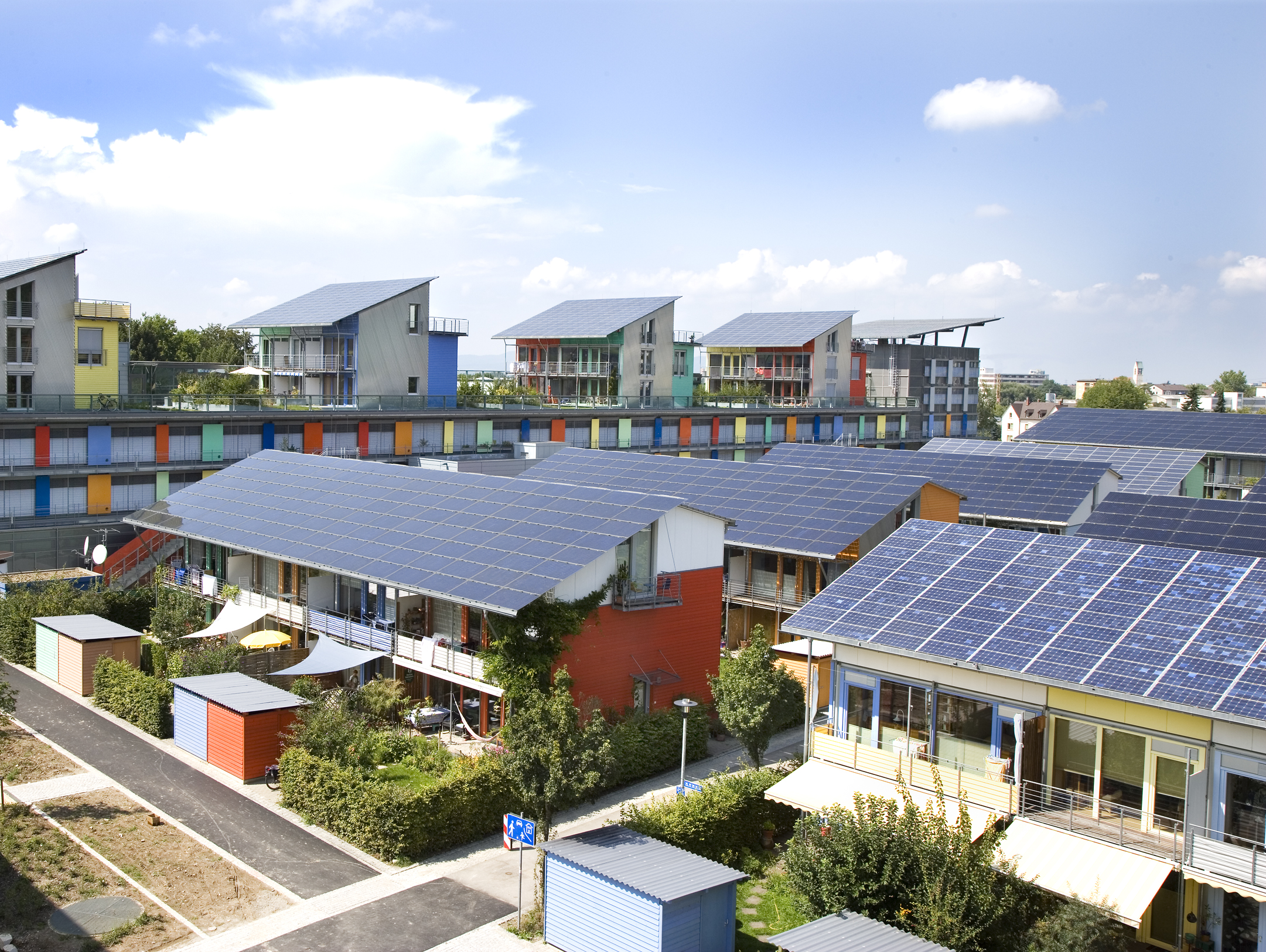
Photovoltaic panel technology has profoundly reshaped the global energy landscape and our relationship with power. It has democratized energy generation, enabling individuals and communities to produce their own electricity, fostering a sense of energy independence. The visual presence of solar panels on rooftops has become a common sight, symbolizing a shift towards sustainability and environmental consciousness. This technology has also spurred a new aesthetic in architecture and urban planning, with buildings increasingly designed to integrate solar generation. Furthermore, the economic impact is substantial, creating millions of jobs worldwide in manufacturing, installation, and maintenance, and driving down electricity costs for consumers. The cultural narrative around energy is shifting from finite, polluting resources to abundant, clean sunlight, influencing policy, investment, and public perception.
⚡ Current State & Latest Developments
The current state of photovoltaic panel technology is characterized by rapid innovation and aggressive cost reduction. In 2024, the industry is witnessing the increasing deployment of TOPCon and heterojunction (HJT) solar cells, which offer higher efficiencies than traditional PERC solar cells. Bifacial solar panels, capable of capturing sunlight from both sides, are gaining significant market share, particularly in utility-scale projects. Manufacturing processes are becoming more automated and efficient, with companies like GCL Technology investing heavily in advanced silicon wafer production. The integration of smart grid technologies and battery storage solutions is becoming standard, addressing the intermittency of solar power and enhancing grid stability. Policy support, such as tax credits and renewable energy mandates in regions like the European Union and the United States, continues to fuel market expansion.
🤔 Controversies & Debates
Despite its successes, photovoltaic panel technology faces several controversies and debates. One significant concern is the environmental impact of solar panel manufacturing, which involves energy-intensive processes and the use of certain hazardous materials. Solar panel recycling is another growing challenge; as early generations of panels reach the end of their lifespan, developing cost-effective and scalable recycling infrastructure is crucial to avoid landfill waste. Land use for large-scale solar farms also sparks debate, with concerns about impacts on biodiversity and agricultural land. Furthermore, the geopolitical implications of solar supply chains, particularly the concentration of manufacturing in China, raises questions about supply chain security and trade practices. The intermittency of solar power and the need for reliable energy storage solutions remain a persistent technical and economic hurdle.
🔮 Future Outlook & Predictions
The future of photovoltaic panel technology promises even greater efficiency, lower costs, and broader applications. Researchers are exploring next-generation materials like perovskite solar cells, which hold the potential for higher efficiencies and lower manufacturing costs, possibly in tandem with silicon in tandem solar cell configurations. Innovations in transparent solar cells could enable windows and building facades to generate electricity, integrating PV seamlessly into urban environments. The development of building-integrated photovoltaics (BIPV) will likely accelerate, transforming structures into power generators. Advancements in artificial intelligence and machine learning are expected to optimize solar farm performance, predict energy output, and improve grid integration. Experts predict that solar PV will become the dominant source of electricity globally within the next two decades, driven by continued technological progress and urgent climate action.
💡 Practical Applications
Photovoltaic panel technology has a vast array of practical applications, fundamentally changing how we
Key Facts
- Category
- technology
- Type
- topic