
Contents
Overview
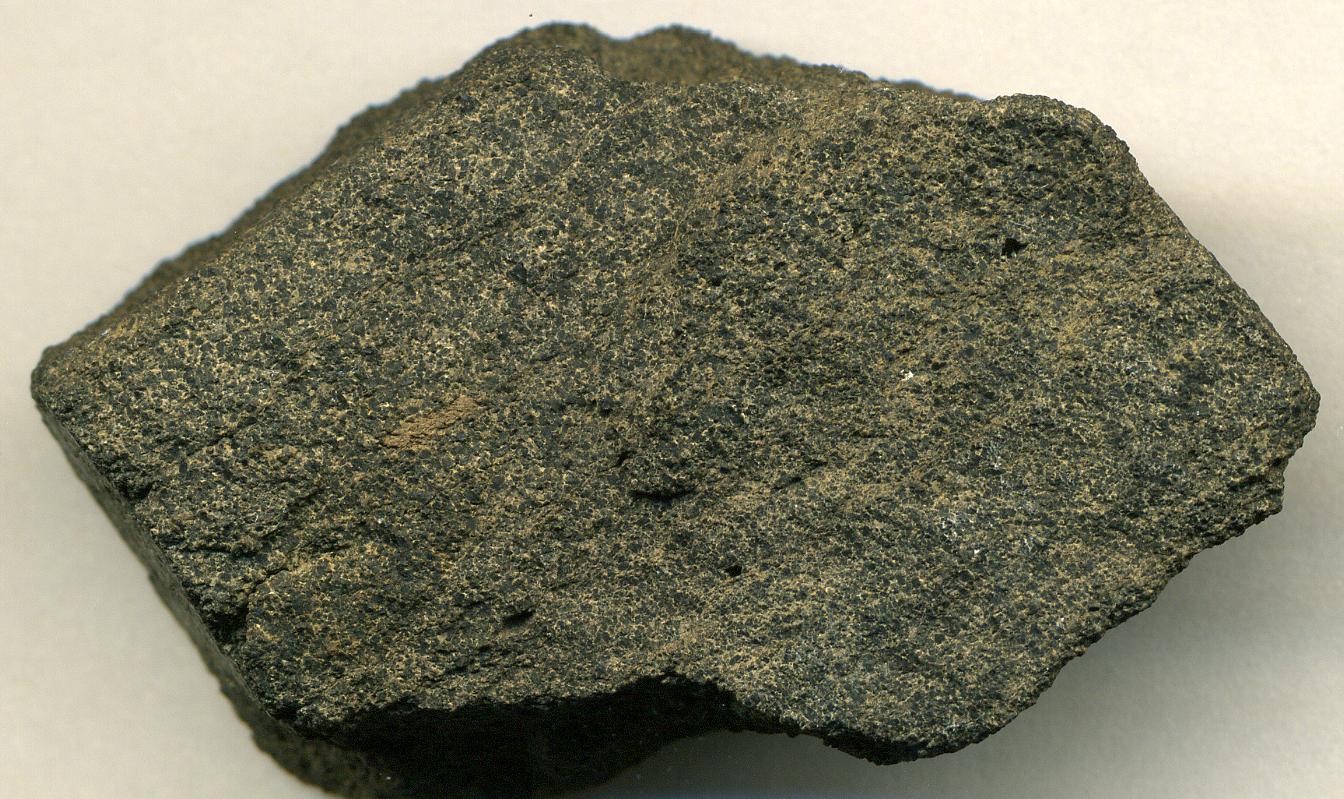
Phosphate rock, also known as phosphorite, is a sedimentary rock distinguished by its high concentration of phosphate minerals, typically fluorapatite or hydroxyapatite. While naturally occurring phosphate content can range from 4% to 20% phosphorus pentoxide (P2O5), commercially viable phosphate rock is beneficiated to at least 28% P2O5, and often higher. This vital resource is the primary source of phosphorus, an indispensable nutrient for plant growth and a critical component in fertilizers, animal feed, and various industrial applications, including detergents and food additives. The global demand for phosphate rock is intrinsically linked to agricultural productivity and population growth, making its extraction and trade a significant factor in global economics and geopolitics. Major producing nations include China, Morocco, the United States, and Russia, with reserves concentrated in specific geological formations worldwide.
🎵 Origins & History
The geological genesis of phosphate rock is a complex interplay of biological and chemical processes occurring over millions of years. While the exact origins are debated, the prevailing theory suggests that significant phosphate deposits form in marine environments where upwelling currents bring nutrient-rich deep waters to the surface, stimulating plankton blooms. As these organisms die, their phosphorus-rich remains sink and accumulate on the seafloor. Over geological time, these organic materials, along with dissolved phosphates and skeletal remains from marine life, are lithified into sedimentary rock.
⚙️ How It Works
Phosphate rock functions as the raw material for virtually all phosphorus-based fertilizers and a wide array of industrial chemicals. The process begins with mining, which can be either surface mining or underground mining, depending on the depth and geological formation of the deposit. Once extracted, the raw ore undergoes beneficiation to increase its P2O5 concentration. This typically involves crushing, washing, screening, and sometimes more advanced techniques like flotation or magnetic separation to remove impurities such as silica, calcium carbonate, and organic matter. The beneficiated rock, now a high-grade concentrate, is then reacted with sulfuric acid in a process known as the "wet process" to produce phosphoric acid. This phosphoric acid is the precursor for most phosphate fertilizers, including triple superphosphate (TSP) and diammonium phosphate (DAP), as well as for purified phosphoric acid used in food and industrial applications. The efficiency of these beneficiation and conversion processes is critical for economic viability and environmental management.
📊 Key Facts & Numbers
The global phosphate rock market is substantial, with annual production typically exceeding 250 million metric tons. The United States is another major player, with significant reserves in Florida and Idaho. China's production also hovers around 90 million metric tons per year, though its reserves are more limited. The price of phosphate rock can fluctuate significantly, influenced by demand from the agricultural sector, energy costs for mining and processing, and geopolitical stability in producing regions.
👥 Key People & Organizations
Several key individuals and organizations have shaped the phosphate rock industry. Geologists and mining engineers have been instrumental in discovering and exploiting major deposits. Major global players in phosphate mining and processing include the Moroccan state-owned OCP Group, which dominates global exports, and companies like The Mosaic Company in the United States and PhosAgro in Russia. International bodies like the Food and Agriculture Organization of the United Nations (FAO) track and report on global fertilizer and nutrient use, highlighting the strategic importance of phosphate rock.
🌍 Cultural Impact & Influence
Phosphate rock's influence extends far beyond the mining sector, fundamentally shaping global food security and industrial development. The widespread availability of affordable phosphate fertilizers, enabled by large-scale phosphate rock extraction, has been a cornerstone of the Green Revolution and modern intensive agriculture, allowing for unprecedented increases in crop yields to feed a growing global population. Without adequate phosphorus, crop yields plummet, threatening widespread famine. Industrially, phosphates are crucial for detergents, metal treatment, and as food additives, impacting everyday consumer products. The strategic importance of phosphate reserves has also led to geopolitical considerations, with control over major deposits influencing international relations and trade dynamics, particularly concerning nations heavily reliant on fertilizer imports.
⚡ Current State & Latest Developments
The current state of the phosphate rock industry is characterized by robust demand driven by global population growth and the need for increased food production, alongside increasing scrutiny of its environmental and geopolitical implications. There's a growing focus on sustainable mining practices and the development of technologies to improve resource efficiency and reduce environmental impact, including exploring methods for recycling phosphorus from wastewater and agricultural runoff. Companies like OCP Group are investing heavily in sustainable agriculture initiatives and water management in their operating regions. The ongoing exploration for new, economically viable phosphate deposits continues, though the discovery of large, easily accessible reserves is becoming rarer, increasing the value of existing ones.
🤔 Controversies & Debates
The extraction and use of phosphate rock are fraught with significant controversies and debates. Environmental concerns are paramount, including habitat destruction from strip mining, water pollution from processing chemicals and tailings ponds, and the release of radioactive elements (like uranium) often found in phosphate ores. The long-term sustainability of current extraction rates is also debated, given that phosphate rock is a finite resource, leading to discussions about peak phosphorus and the need for efficient recycling. Geopolitically, the concentration of reserves in a few countries, notably Morocco, raises concerns about supply chain security and potential price manipulation, impacting nations heavily dependent on imports. Furthermore, the energy-intensive nature of mining and fertilizer production contributes to greenhouse gas emissions, adding another layer to the sustainability debate.
🔮 Future Outlook & Predictions
The future outlook for phosphate rock is one of continued, albeit potentially more constrained, importance. As the global population is projected to reach nearly 10 billion by 2050, the demand for phosphorus in agriculture will remain high. However, increasing environmental regulations, the depletion of easily accessible high-grade ores, and the geopolitical complexities surrounding reserve distribution will likely drive innovation. We can anticipate significant investment in phosphorus recycling technologies, aiming to recover phosphorus from municipal wastewater, animal manure, and industrial byproducts. Enhanced efficiency in fertilizer application, such as precision agriculture techniques, will also become more critical. Exploration for new deposits may shift towards more challenging environments or lower-grade ores requiring advanced processing. The development of alternative phosphorus sources or synthetic fertilizers, while currently less economical, could also gain traction in the long term.
💡 Practical Applications
Phosphate rock's primary practical application is as the feedstock for producing phosphate fertilizers, which are essential for modern agriculture. This includes the production of single superphosphate (SSP), triple superphosphate (TSP), diammonium phosphate (DAP), and monoammonium phosphate (MAP), all vital for replenish
Key Facts
- Category
- science
- Type
- topic