
Contents
Overview
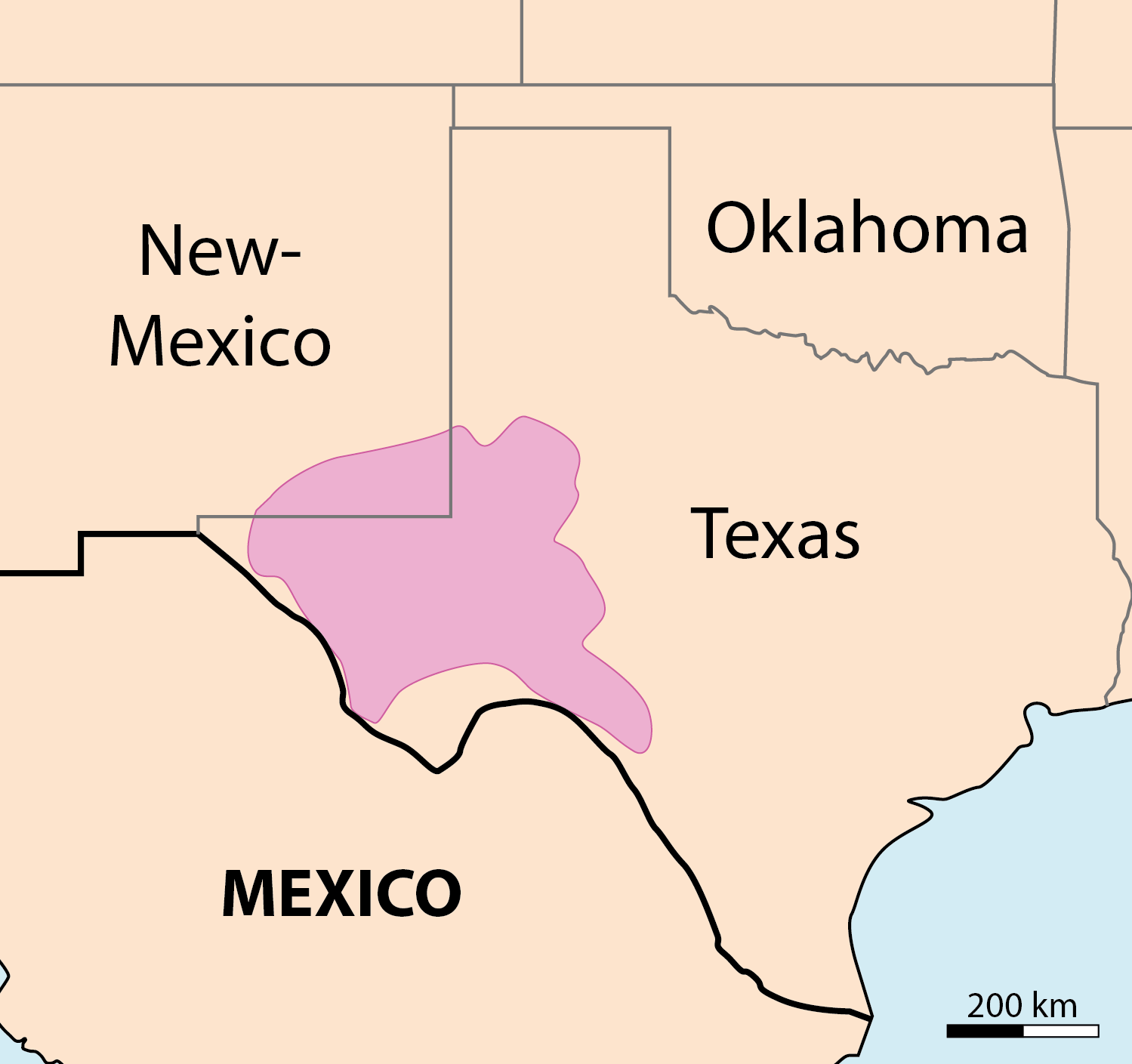
The Permian Basin's story is etched in geological time, named for the Permian period, the final chapter of the Paleozoic Era. This immense sedimentary basin, covering over 86,000 square miles, began accumulating thick layers of rock and organic material during this ancient epoch. Its modern significance as an energy frontier was truly unlocked in the early 20th century. While oil seeps were known for decades, commercial production surged with the discovery of the Yates Oil Field in 1926 by Deepwater Exploration Company. These discoveries, particularly the prolific Permian Basin fields, propelled Texas into a leading role in American oil production, fundamentally altering the state's economy and the nation's energy landscape. The basin is not a single entity but a composite of smaller basins, including the dominant Midland Basin and the Delaware Basin, each contributing to its colossal output.
⚙️ How It Works
The Permian Basin's immense productivity stems from its complex geological structure, characterized by multiple stacked oil and gas reservoirs. Unlike simpler formations, the basin contains numerous distinct layers of porous rock, such as sandstone and limestone, interspersed with impermeable shale. These layers, formed over millions of years from ancient seas and river systems, trapped vast quantities of hydrocarbons. Modern extraction techniques, particularly hydraulic fracturing (fracking) and horizontal drilling, have revolutionized access to these resources. These technologies allow operators to drill horizontally through the productive rock layers and then fracture the rock to release trapped oil and natural gas, enabling the recovery of resources previously considered inaccessible. This sophisticated engineering allows for the efficient exploitation of multiple pay zones within the same wellbore.
📊 Key Facts & Numbers
The Permian Basin is an undisputed titan of energy production. The Permian Basin holds significant reserves of potassium salts (potash), with annual production valued in the hundreds of millions of dollars, making it a critical supplier for fertilizers worldwide.
👥 Key People & Organizations
The Permian Basin's energy narrative is shaped by a constellation of influential figures and powerful corporations. The American Petroleum Institute and the Texas Oil and Gas Association represent the industry's collective interests, lobbying and advocating for policies favorable to Permian Basin operations.
🌍 Cultural Impact & Influence
The Permian Basin's influence extends far beyond its geological boundaries, deeply embedding itself into American culture and global energy consciousness. Its sheer scale and productivity have made it a symbol of American energy independence and a focal point in national political discourse. The boom-and-bust cycles inherent to the oil industry have shaped the economies and social fabric of communities like Midland and Odessa, influencing everything from housing markets to local politics. The iconic imagery of oil derricks against the West Texas sky has become a potent visual metaphor for industrial might and resource wealth. Furthermore, the technological advancements pioneered here, particularly in shale oil extraction, have had ripple effects across the global energy sector, influencing exploration strategies and market dynamics worldwide. The basin's story is a recurring theme in documentaries, news reports, and even Hollywood films, cementing its place in the popular imagination.
⚡ Current State & Latest Developments
As of 2024, the Permian Basin remains the undisputed king of U.S. oil production, consistently exceeding output expectations. Major operators like Chevron and ExxonMobil continue to invest billions, focusing on efficiency gains and optimizing existing wells rather than solely on new exploration. Companies are increasingly prioritizing shareholder returns and debt reduction, a shift from the aggressive growth-at-all-costs mentality of previous years. Innovations in carbon capture and storage (CCS) are gaining traction, with several pilot projects aiming to mitigate the environmental impact of extraction. The ongoing geopolitical tensions, particularly involving Iran and Russia, continue to underscore the Permian's strategic importance to global energy security, often leading to increased investment and production focus. The basin is also seeing consolidation, with larger companies acquiring smaller players to gain economies of scale and access prime acreage.
🤔 Controversies & Debates
The Permian Basin is a nexus of intense debate, primarily centered on its environmental footprint and economic sustainability. Critics, including environmental organizations like the Natural Resources Defense Council, point to the significant methane emissions, water usage, and potential for groundwater contamination associated with hydraulic fracturing. The sheer volume of truck traffic and associated air pollution in boomtowns also draws scrutiny. Conversely, industry proponents, such as the Texas Oil and Gas Association, emphasize the basin's role in providing affordable energy, creating high-paying jobs, and the technological advancements made to reduce environmental impact. Debates also rage over the long-term economic viability, with concerns about price volatility, the eventual depletion of reserves, and the global transition towards renewable energy sources. The question of whether the Permian can adapt to a lower-carbon future remains a central point of contention.
🔮 Future Outlook & Predictions
The future of the Permian Basin is a subject of vigorous speculation, balancing continued production with the global energy transition. While peak oil demand forecasts vary, most projections suggest the Permian will remain a critical supplier for at least the next decade, potentially longer, due to its low extraction costs and vast reserves. Companies are increasingly exploring carbon capture and storage (CCS) technologies to decarbonize operations, with significant investments planned. The potential for enhanced oil recovery (EOR) techniques using carbon dioxide injection could further extend the basin's productive life. However, the long-term outlook is undeniably tied to the pace of renewable energy adoption and government policies. Some analysts predict a gradual decline in production post-2030, while others foresee continued resilience driven by technological innovation and strategic acquisitions by major players like ExxonMobil.
💡 Practical Applications
The Permian Basin's primary practical application is, unequivocally, the extraction of crude oil and natural gas. It serves as the engine for a significant portion of U.S. energy supply, fueling vehicles, powering industries, and providing feedstock for petrochemicals. Beyond hydrocarbons, the basin i
Key Facts
- Category
- nature
- Type
- topic