
Contents
Overview
The roots of Los Angeles's performing arts scene are as diverse as the city itself, stretching back to early vaudeville houses and silent film studios that fostered a culture of live spectacle. The establishment of the Los Angeles Music Center in the 1960s, which includes the Dorothy Chandler Pavilion, Ahmanson Theatre, and Mark Taper Forum, was a significant development for large-scale performing arts infrastructure. These venues were conceived as cultural anchors for a burgeoning metropolis, aiming to rival the established arts institutions of New York City. Simultaneously, the burgeoning Hollywood film industry created a demand for live performance spaces for premieres and promotional events, indirectly fueling the growth of theaters and music venues. Early pioneers like Dorothy Chandler herself, through her tireless advocacy and fundraising, were instrumental in shaping this vision, ensuring that Los Angeles would be recognized not just for its movies, but for its commitment to classical music, theater, and dance.
⚙️ How It Works
The performing arts ecosystem in Los Angeles operates on multiple tiers, from massive, publicly funded institutions to independent, artist-run collectives. At the top, the Los Angeles Music Center serves as a central hub, housing major resident companies such as the Los Angeles Philharmonic, Los Angeles Opera, Los Angeles Master Chorale, and Center Theatre Group. These organizations function as large non-profits, relying on a mix of ticket sales, grants from foundations like the Getty Trust, and individual donations. Beyond these giants, a vast network of smaller theaters, dance studios, and music venues—many concentrated in areas like Hollywood, Downtown Los Angeles, and West Hollywood—provide platforms for emerging artists and experimental work. This decentralized model allows for a constant influx of new talent and diverse artistic voices, creating a dynamic tension between established institutions and the avant-garde.
📊 Key Facts & Numbers
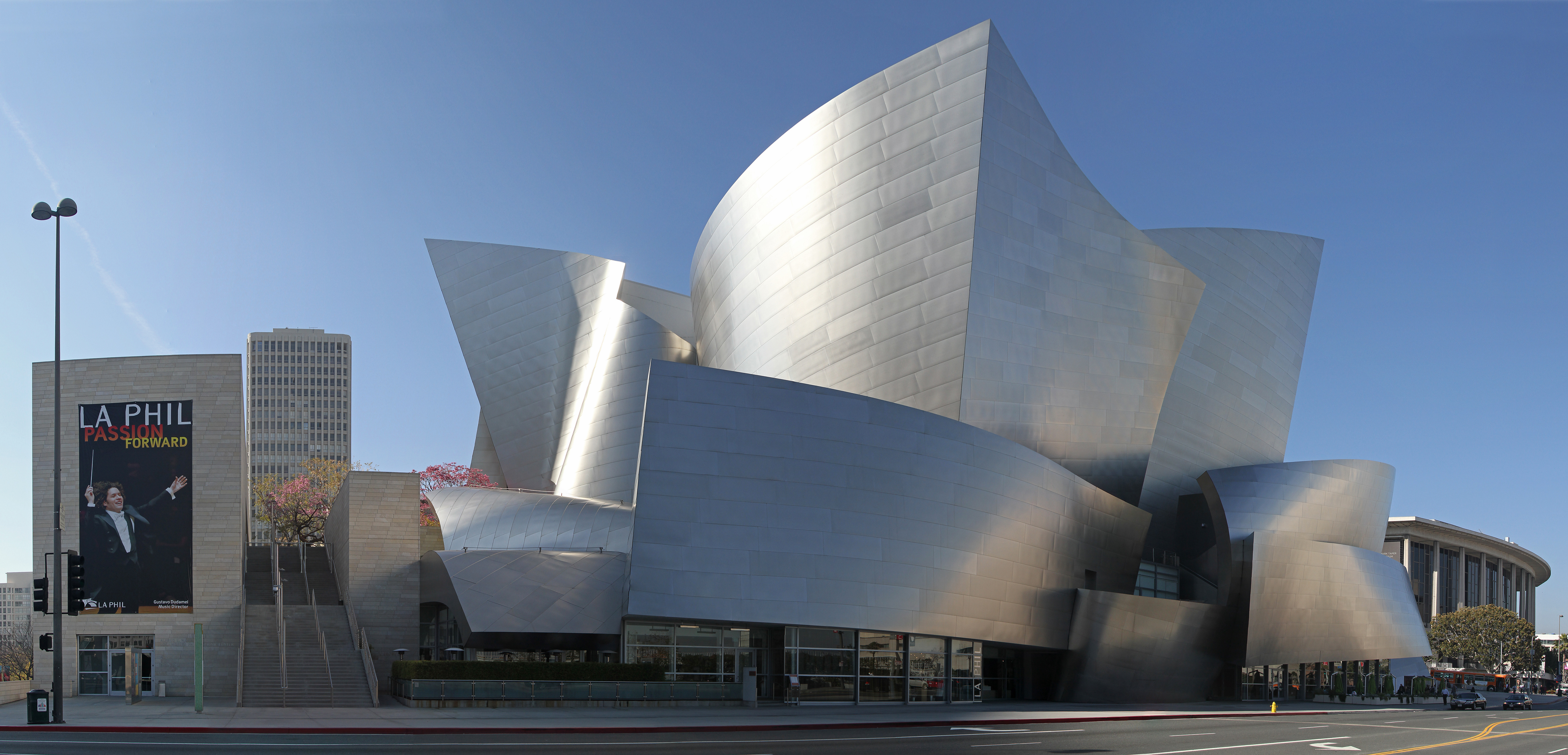
Los Angeles's performing arts scene is a colossal economic and cultural engine. The Walt Disney Concert Hall is one of the venues within the Los Angeles Music Center. Beyond the Music Center, the city hosts hundreds of professional theater companies, with the Center Theatre Group producing many shows annually across its theaters. The city's live music venues, from the historic Hollywood Bowl to smaller clubs like The Troubadour, host thousands of concerts each year, generating significant revenue. The economic impact of the performing arts sector in Los Angeles County is substantial, supporting numerous jobs.
👥 Key People & Organizations
Key players shaping Los Angeles's performing arts landscape are numerous and influential. Deborah Borda, former president and CEO of the Los Angeles Philharmonic, oversaw significant artistic growth and financial stability during her tenure. Michael Ritchie, artistic director of Center Theatre Group, has been a driving force in contemporary theater programming. The Walt Disney Concert Hall, designed by Frank Gehry, stands as an architectural icon and a testament to the vision of its benefactors, including the Walt Disney Company. Beyond these institutional leaders, countless independent theater companies, such as The Actors' Gang founded by Tim Robbins, and dance troupes like L.A. Dance Project led by Benjamin Millepied, contribute vital artistic energy. The city's vibrant ecosystem is also supported by organizations like The Broad Stage and REDCAT (Roy and Edna Disney/CalArts Theater), which champion experimental and interdisciplinary work.
🌍 Cultural Impact & Influence
The influence of Los Angeles's performing arts scene extends globally, often acting as a testing ground for new artistic trends and a launchpad for international careers. The Los Angeles Philharmonic under conductors like Gustavo Dudamel has garnered worldwide acclaim, premiering new works and touring extensively. Center Theatre Group has a history of developing plays that later transfer to Broadway and international stages. The city's role as a media capital also means that performing arts are frequently integrated into film and television, exposing a wider audience to theatrical and musical performances. Furthermore, the experimental and boundary-pushing nature of many smaller venues and independent artists in areas like Silver Lake and Echo Park often sets precedents that ripple through the broader cultural landscape, influencing everything from music videos to avant-garde theater productions worldwide.
⚡ Current State & Latest Developments
In 2024 and beyond, Los Angeles's performing arts scene is navigating a complex post-pandemic recovery and evolving audience expectations. Institutions like the Los Angeles Music Center are focusing on innovative programming and community engagement to rebuild attendance. There's a growing emphasis on digital accessibility, with many organizations continuing to offer streamed performances and online content, a trend accelerated by the COVID-19 pandemic. The rise of immersive theater experiences, exemplified by companies like Meow Wolf (though not LA-based, its influence is felt), is also shaping how audiences interact with live performance. Furthermore, discussions around diversity, equity, and inclusion are driving significant shifts in programming and leadership across the sector, with a push for more representative stories and artists on stage.
🤔 Controversies & Debates
The performing arts in Los Angeles are not without their controversies and debates. A perennial tension exists between the need for large-scale, commercially viable productions and the support of experimental, artist-driven work. Funding is a constant concern, with debates over the allocation of public arts grants and the reliance on wealthy donors, raising questions about artistic independence. The gentrification of neighborhoods like Downtown Los Angeles has also led to the displacement of smaller, affordable performance spaces, sparking discussions about preserving the city's artistic infrastructure. Furthermore, debates surrounding artistic censorship and the boundaries of free expression frequently arise, particularly in relation to politically charged or controversial theatrical works presented by organizations like The Actors' Gang.
🔮 Future Outlook & Predictions
The future of performing arts in Los Angeles appears poised for continued innovation, driven by technological advancements and evolving audience demographics. Expect a greater integration of digital technologies, including augmented reality (AR) and virtual reality (VR), into live performances, creating more interactive and immersive experiences. The city's diverse population will likely lead to an even broader spectrum of artistic voices and cultural expressions on stage, with a continued focus on amplifying underrepresented narratives. As institutions adapt to changing economic models, there may be a rise in hybrid performance spaces that cater to both live and digital audiences. The ongoing challenge will be to balance artistic ambition with financial sustainability, ensuring that Los Angeles remains a vibrant hub for live performance for generations to come.
💡 Practical Applications
The performing arts in Los Angeles have direct practical applications across various sectors. The skills honed in theater, dance, and music—such as public speaking, collaboration, and creative problem-solving—are highly transferable to business, education, and technology industries. The city's numerous acting schools and conservatories, including the American Film Institute (AFI) and The Groundlings, train professionals who populate not only the stage but also the global film and television industries. Furthermore, the performing arts serve as a powerful tool for community engagement and social change, with many organizations running educational outreach programs in schools and underserved communities, fostering civic pride and cultural understanding. The architectural marvels housing these performances, like the Walt Disney Concert Hall, also serve as significant tourist attractions, boosting the local economy.
Key Facts
- Category
- culture
- Type
- topic