
Contents
- 🐾 What is Parvovirus?
- 🦠 How Parvovirus Spreads
- 🐶 Symptoms in Dogs
- 🐱 Symptoms in Cats
- 🔬 Diagnosis & Testing
- 💉 Prevention & Vaccination
- 🏥 Treatment Options
- 📈 Prognosis & Recovery
- 🌍 Global Outbreaks & History
- 🤔 Parvovirus vs. Other Illnesses
- 💡 Research & Future Directions
- ❓ Frequently Asked Questions
- Frequently Asked Questions
- Related Topics
Overview
Parvovirus, specifically Canine Parvovirus (CPV), is a highly contagious and often fatal viral disease primarily affecting dogs. Its insidious nature lies in its extreme resilience in the environment, allowing it to persist for months and infect unvaccinated puppies through fecal-oral transmission. The virus attacks the gastrointestinal tract, causing severe vomiting, bloody diarrhea, and dehydration, while also targeting the bone marrow and lymphoid tissues, suppressing the immune system. Despite advancements in veterinary medicine, parvovirus remains a significant threat, demanding vigilant vaccination protocols and rapid, aggressive treatment for infected animals. Understanding its transmission, symptoms, and prevention is crucial for any dog owner.
🐾 What is Parvovirus?
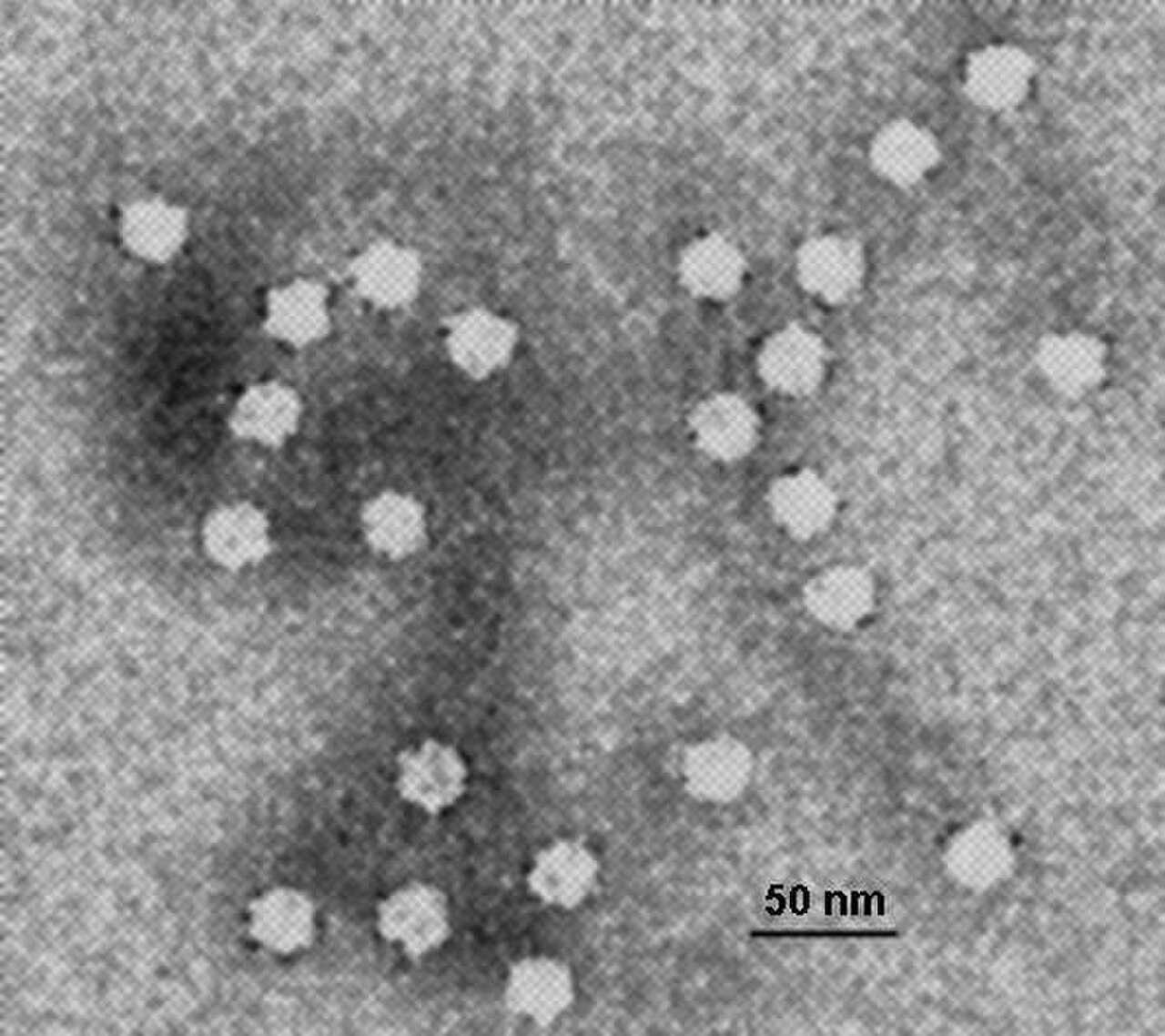
Parvovirus, a member of the Parvoviridae family, represents a group of small, resilient DNA viruses that primarily affect animals. These viruses are characterized by their simple structure: a single-stranded DNA genome encased in an icosahedral protein shell, measuring a mere 23-28 nanometers. The genome encodes essential proteins, including the crucial NS1 replication initiator and capsid proteins. Their robust nature allows them to survive in the environment for extended periods, posing a persistent threat to susceptible animal populations, particularly canines and felines. Understanding their basic biology is the first step in combating their widespread impact.
🦠 How Parvovirus Spreads
The transmission of parvovirus is a highly contagious affair, predominantly occurring through direct or indirect contact with infected feces. The virus is shed in large quantities by infected animals, contaminating environments such as kennels, veterinary clinics, and even the soles of shoes. This fecal-oral route means that even brief exposure to contaminated surfaces or objects can lead to infection. Airborne transmission is less common but possible in close quarters. The virus's remarkable environmental stability, surviving for months or even years in soil and on surfaces, underscores the critical importance of stringent biosecurity measures and thorough disinfection protocols in preventing its spread.
🐶 Symptoms in Dogs
In dogs, canine parvovirus (CPV) is a notorious pathogen, most commonly presenting with severe gastrointestinal distress. Symptoms typically emerge 3-7 days after exposure and include sudden onset of lethargy, loss of appetite, and vomiting, often accompanied by bloody diarrhea. This diarrhea is frequently characterized by a distinctive foul odor. Dehydration, fever, and abdominal pain are also common. A critical, though less frequent, manifestation is myocarditis in very young puppies, leading to sudden death. Early recognition of these signs is paramount for timely veterinary intervention.
🐱 Symptoms in Cats
Feline parvovirus, also known as feline panleukopenia (FPV), presents a similar, albeit distinct, clinical picture in cats. While often less severe than in dogs, FPV can cause significant morbidity and mortality, especially in unvaccinated kittens. Symptoms include fever, depression, vomiting, and diarrhea, which may or may not be bloody. Affected cats often exhibit a marked decrease in white blood cell counts (leukopenia), hence the name 'panleukopenia.' Pregnant cats infected with FPV can also experience fetal abnormalities, particularly affecting cerebellar development, leading to ataxia (wobbly gait) in kittens. Prompt veterinary care is essential for managing FPV.
🔬 Diagnosis & Testing
Diagnosing parvovirus typically involves a combination of clinical signs, patient history, and laboratory testing. Veterinarians often suspect parvovirus based on the characteristic symptoms, especially in unvaccinated young animals. Definitive diagnosis is usually achieved through fecal antigen tests, which detect viral proteins shed in the stool. These tests are widely available and provide rapid results, though false positives and negatives can occur. Complete blood counts (CBCs) may reveal characteristic leukopenia, further supporting a diagnosis. In some cases, PCR testing or serological assays might be employed for confirmation or to identify specific strains.
💉 Prevention & Vaccination
The cornerstone of parvovirus prevention is vaccination. For dogs, the modified-live virus (MLV) vaccine is highly effective and typically administered as part of a puppy's core vaccination series, with boosters recommended throughout life. Similarly, a vaccine for feline panleukopenia is available and considered essential for all cats. Beyond vaccination, maintaining excellent sanitation in environments frequented by animals is crucial. This includes regular cleaning and disinfection of living spaces, food and water bowls, and any areas where animals defecate. Avoiding contact with unknown or unvaccinated animals, especially during the critical socialization periods for puppies and kittens, further bolsters protection.
🏥 Treatment Options
Treatment for parvovirus is primarily supportive, focusing on managing symptoms and preventing secondary complications. Due to severe vomiting and diarrhea, aggressive fluid therapy is critical to combat dehydration and electrolyte imbalances. Antiemetic medications are used to control vomiting, while antibiotics are administered to prevent or treat secondary bacterial infections that can arise from the compromised gut barrier. Nutritional support, often through intravenous feeding, may be necessary for severely affected animals. In some cases, plasma transfusions can provide vital antibodies and proteins. The goal is to support the animal's immune system as it fights off the infection.
📈 Prognosis & Recovery
The prognosis for parvovirus infection varies significantly depending on factors such as the specific viral strain, the animal's age and overall health, the speed of diagnosis, and the aggressiveness of treatment. With prompt and intensive veterinary care, many dogs and cats can recover, though the recovery period can be lengthy and require ongoing supportive measures. Puppies and kittens, especially those with underlying health issues or who are very young, face a more guarded prognosis. Survivors typically develop long-lasting immunity to the specific strain of parvovirus they contracted. However, some animals may experience long-term gastrointestinal issues following infection.
🌍 Global Outbreaks & History
Parvoviruses have a long history of impacting animal health. Canine parvovirus type 2 (CPV-2) emerged dramatically in the late 1970s, causing widespread epidemics with high mortality rates before effective vaccines were widely available. This emergent strain is believed to have originated from a feline parvovirus (FPV) mutation, highlighting the potential for interspecies transmission and adaptation. Since then, several variants of CPV-2 have emerged, including CPV-2a, CPV-2b, and CPV-2c, necessitating ongoing monitoring and vaccine updates. The history of parvovirus serves as a stark reminder of the dynamic nature of infectious diseases and the importance of veterinary surveillance.
🤔 Parvovirus vs. Other Illnesses
Distinguishing parvovirus from other illnesses is vital for accurate diagnosis and effective treatment. While symptoms like vomiting and diarrhea can be indicative of many conditions, parvovirus often presents with a characteristic severity and foul odor in dogs. Gastroenteritis from dietary indiscretion, bacterial infections, or other viral agents can mimic parvo. In cats, feline infectious peritonitis (FIP) or other causes of severe enteritis might be considered. The presence of significant leukopenia on a blood count is a strong indicator for parvovirus, differentiating it from many other common causes of GI upset. A veterinarian's expertise, combined with diagnostic testing, is crucial for ruling out other possibilities.
💡 Research & Future Directions
Ongoing research into parvoviruses focuses on several key areas. Scientists are working to develop more broadly protective vaccines that can confer immunity against emerging strains and potentially reduce the need for frequent boosters. Investigations into the virus's replication mechanisms and its interaction with host cells aim to identify new antiviral targets for therapeutic intervention. Furthermore, understanding the genetic evolution of parvoviruses and their propensity for host switching, as seen with CPV-2's origins, remains a critical area of study for predicting and preventing future outbreaks. Advances in genomic sequencing are accelerating these efforts.
❓ Frequently Asked Questions
Parvovirus is a formidable viral threat to young, unvaccinated animals, particularly dogs and cats. Its high transmissibility and environmental persistence make it a persistent challenge for pet owners and veterinary professionals alike. While vaccination remains the most effective preventive measure, understanding transmission routes, recognizing early symptoms, and seeking prompt veterinary care are critical for successful outcomes. The virus's ability to cause severe illness underscores the importance of responsible pet ownership, including adherence to vaccination schedules and maintaining hygienic environments. Continuous research promises to further enhance our ability to combat this impactful pathogen.
Key Facts
- Year
- 1978
- Origin
- First identified in the late 1970s, likely evolving from feline panleukopenia virus.
- Category
- Veterinary Science / Infectious Diseases
- Type
- Disease
Frequently Asked Questions
Can humans contract parvovirus from dogs or cats?
No, the parvoviruses that commonly infect dogs (CPV) and cats (FPV) are species-specific and do not infect humans. Humans can contract parvovirus B19, but this is a different virus and is not transmitted from pets. It's important to distinguish between the various types of parvoviruses, as their host ranges differ significantly. The concern for pet owners is the highly contagious nature of the animal-specific strains among their animal companions.
How long is a dog or cat contagious with parvovirus?
Infected animals shed the virus in their feces for about 7 to 10 days after showing symptoms, and sometimes even longer. However, the virus can persist in the environment for months, meaning that even after an animal is no longer contagious, the premises can remain a source of infection for other susceptible animals. Strict disinfection protocols are essential to neutralize the virus in the environment.
Is parvovirus always fatal?
No, parvovirus is not always fatal, especially with prompt and aggressive veterinary treatment. Survival rates have significantly improved with advancements in supportive care, including intravenous fluid therapy, anti-vomiting medications, and antibiotics. However, the prognosis is more guarded for very young puppies or kittens, those with concurrent illnesses, or if treatment is delayed. Early intervention dramatically increases the chances of a full recovery.
Can a vaccinated dog or cat still get parvovirus?
While vaccines are highly effective, no vaccine is 100% protective. Breakthrough infections can occur, particularly if the animal was exposed to a very high dose of the virus, if the vaccine was administered at a suboptimal time (e.g., when maternal antibodies were still interfering), or if the vaccine did not cover the specific strain encountered. However, vaccinated animals that do contract parvovirus typically experience much milder symptoms and have a significantly better prognosis than unvaccinated individuals.
What are the signs of parvovirus in puppies or kittens?
In puppies and kittens, parvovirus often presents with sudden onset of severe lethargy, loss of appetite, persistent vomiting, and profuse, often bloody, diarrhea with a characteristic foul odor. They may also exhibit fever, dehydration, and abdominal pain. Due to their underdeveloped immune systems, symptoms can progress very rapidly, making immediate veterinary attention critical. Any signs of severe gastrointestinal distress in young, unvaccinated animals should be treated as a potential parvovirus emergency.
How do I disinfect my home after a parvovirus outbreak?
Effective disinfection requires specific agents. Diluted bleach (1:30 ratio of bleach to water) is one of the most effective disinfectants against parvovirus, but it must be allowed to remain wet on surfaces for at least 10-15 minutes. Other veterinary-approved disinfectants, such as those containing quaternary ammonium compounds or accelerated hydrogen peroxide, are also effective. Thorough cleaning to remove all organic matter is crucial before disinfection, as parvovirus can be shielded by dirt and debris. All contaminated items that cannot be disinfected should be discarded.