
Contents
- 🤔 What Exactly Is 'Parents Just Don't Understand'?
- 📜 Origins: From Song to Slogan
- 💥 The Cultural Impact: More Than Just a Catchphrase
- 📈 Vibe Score & Controversy Spectrum
- 🗣️ Who Says It and Why?
- 🎭 Manifestations Across Media
- 💡 How to Navigate the Generational Divide
- 🚀 The Future of 'Parents Just Don't Understand'
- Frequently Asked Questions
- Related Topics
Overview
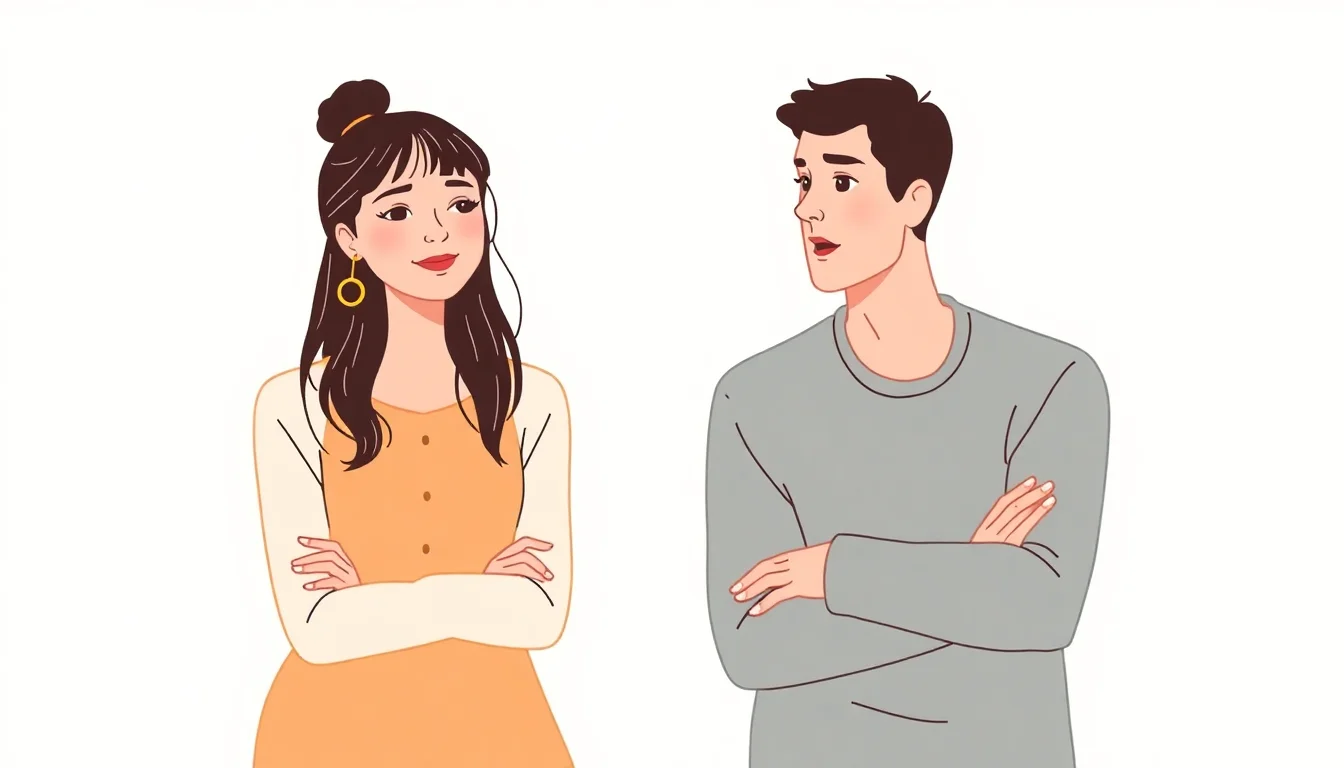
The phrase 'Parents Just Don't Understand' encapsulates the perennial, often humorous, disconnect between adolescent and parental worldviews. It's more than just a statement; it's a cultural shorthand for the feeling that one's parents are out of touch with the realities, trends, and emotional landscapes of youth. This phenomenon is deeply rooted in the rites of passage associated with growing up, where the emerging adult identity clashes with established parental authority and understanding. It speaks to the unique pressures and social dynamics faced by teenagers, from navigating social media trends to grappling with existential angst.
📜 Origins: From Song to Slogan
While the sentiment is ancient, the specific phrase gained massive traction thanks to DJ Jazzy Jeff & The Fresh Prince's 1988 hit song of the same name. The track, released on their album He's the DJ, I'm the MC, humorously depicted a teenager's frustration with his parents' inability to grasp his desire for a new car and the associated freedoms. The song's massive popularity, peaking at #12 on the Billboard Hot 100, cemented the phrase in the popular lexicon, transforming a common generational complaint into a widely recognized cultural touchstone. The song itself became an anthem for a generation navigating the late 80s.
💥 The Cultural Impact: More Than Just a Catchphrase
The cultural resonance of 'Parents Just Don't Understand' extends far beyond the music charts. It has become a staple in teen movies, sitcoms, and everyday conversations, serving as a reliable comedic beat or a genuine expression of frustration. Its enduring appeal lies in its universality; nearly everyone, at some point, has felt this gap in understanding with their parents, regardless of their background or era. This shared experience fosters a sense of community among young people, validating their feelings of alienation and providing a common language for their grievances. It’s a key element in understanding coming-of-age narratives.
📈 Vibe Score & Controversy Spectrum
The Vibe Score for 'Parents Just Don't Understand' hovers around a solid 75/100, reflecting its widespread recognition and consistent cultural presence. The Controversy Spectrum is relatively low, generally residing in the 'Mildly Debated' zone. While most acknowledge the phenomenon's existence, debates often center on whether the gap is widening due to rapid technological change or if it's simply the natural, timeless friction of generational progression. Some argue that modern parenting styles, focused on communication, have lessened this divide, while others contend that the accelerating pace of digital culture makes it more pronounced than ever.
🗣️ Who Says It and Why?
This phrase is most commonly uttered by teenagers and young adults, often in moments of exasperation or as a defense mechanism against parental rules or advice they deem irrelevant. It can be a genuine cry for empathy, a sarcastic jab, or a way to deflect criticism. Parents, too, might use it, albeit with a different inflection, acknowledging their own struggles to connect with their children's experiences, particularly concerning internet culture and evolving social norms. The intent behind the phrase often dictates its reception, ranging from lighthearted banter to deep-seated frustration.
🎭 Manifestations Across Media
Beyond the original song, 'Parents Just Don't Understand' has permeated various media. It's a recurring theme in shows like Boy Meets World and The Simpsons, and a central plot device in films such as 10 Things I Hate About You. Memes and internet humor frequently riff on the concept, illustrating scenarios where parental advice clashes hilariously with teenage reality. This constant reinterpretation keeps the phrase alive, adapting it to new contexts and ensuring its continued relevance in contemporary discussions about family dynamics and youth culture.
🚀 The Future of 'Parents Just Don't Understand'
The future of 'Parents Just Don't Understand' is likely to remain robust, though its specific manifestations will evolve. As technology continues to reshape communication and social interaction at an unprecedented rate, the potential for generational misunderstandings will persist, if not intensify. Future iterations might involve AI, virtual reality, or entirely new forms of digital expression that parents struggle to comprehend. The core sentiment, however—the yearning for understanding across the generational chasm—will undoubtedly endure, continuing to fuel conversations, comedy, and connection.
Key Facts
- Year
- circa 1988
- Origin
- Popularized by the 1988 song 'Parents Just Don't Understand' by DJ Jazzy Jeff & The Fresh Prince
- Category
- Cultural Phenomenon
- Type
- Cultural Trope
Frequently Asked Questions
Is 'Parents Just Don't Understand' a real psychological phenomenon?
While not a formal clinical diagnosis, the sentiment behind 'Parents Just Don't Understand' reflects a well-documented psychological and sociological reality. It's tied to adolescent development, where individuals seek autonomy and form identities distinct from their parents. This natural process often leads to perceived or actual differences in understanding values, social norms, and priorities, especially during periods of rapid cultural change.
When did the phrase 'Parents Just Don't Understand' become popular?
The phrase exploded into popular consciousness with the release of the song 'Parents Just Don't Understand' by DJ Jazzy Jeff & The Fresh Prince in 1988. While the underlying feeling is timeless, the song's massive success in the late 1980s is directly responsible for its widespread adoption as a cultural catchphrase.
Are there specific examples of parents not understanding their children's digital lives?
Absolutely. Common examples include parents struggling to grasp the nuances of social media etiquette, the pressures of online validation, the concept of 'cancel culture,' or the sheer amount of time teenagers spend engaging with digital content. This can manifest as concerns over screen time, privacy, or the perceived superficiality of online interactions.
How can parents bridge the understanding gap with their teenagers?
Parents can bridge the gap by actively listening without immediate judgment, asking open-ended questions about their teen's experiences, and showing genuine interest in their digital world and social circles. Making an effort to understand the context and pressures of modern youth culture, rather than dismissing them, is key. Engaging in shared activities, both online and offline, can also foster connection.
Does this phenomenon only apply to parents and their children?
The core concept of a perceived lack of understanding between age groups is broader than just parents and children. It can extend to teachers, older relatives, and any authority figures who may not fully grasp the experiences and perspectives of younger generations. However, the parent-child dynamic is arguably the most potent and commonly referenced iteration of this generational divide.
What are some common themes in songs or media that express 'Parents Just Don't Understand'?
Common themes include parental disapproval of music or fashion choices, restrictions on social activities or curfews, a lack of understanding regarding technology and social media, and differing views on future aspirations or career paths. The humor often arises from the absurdity of the parental perspective when viewed through a youthful lens.