
Contents
Overview
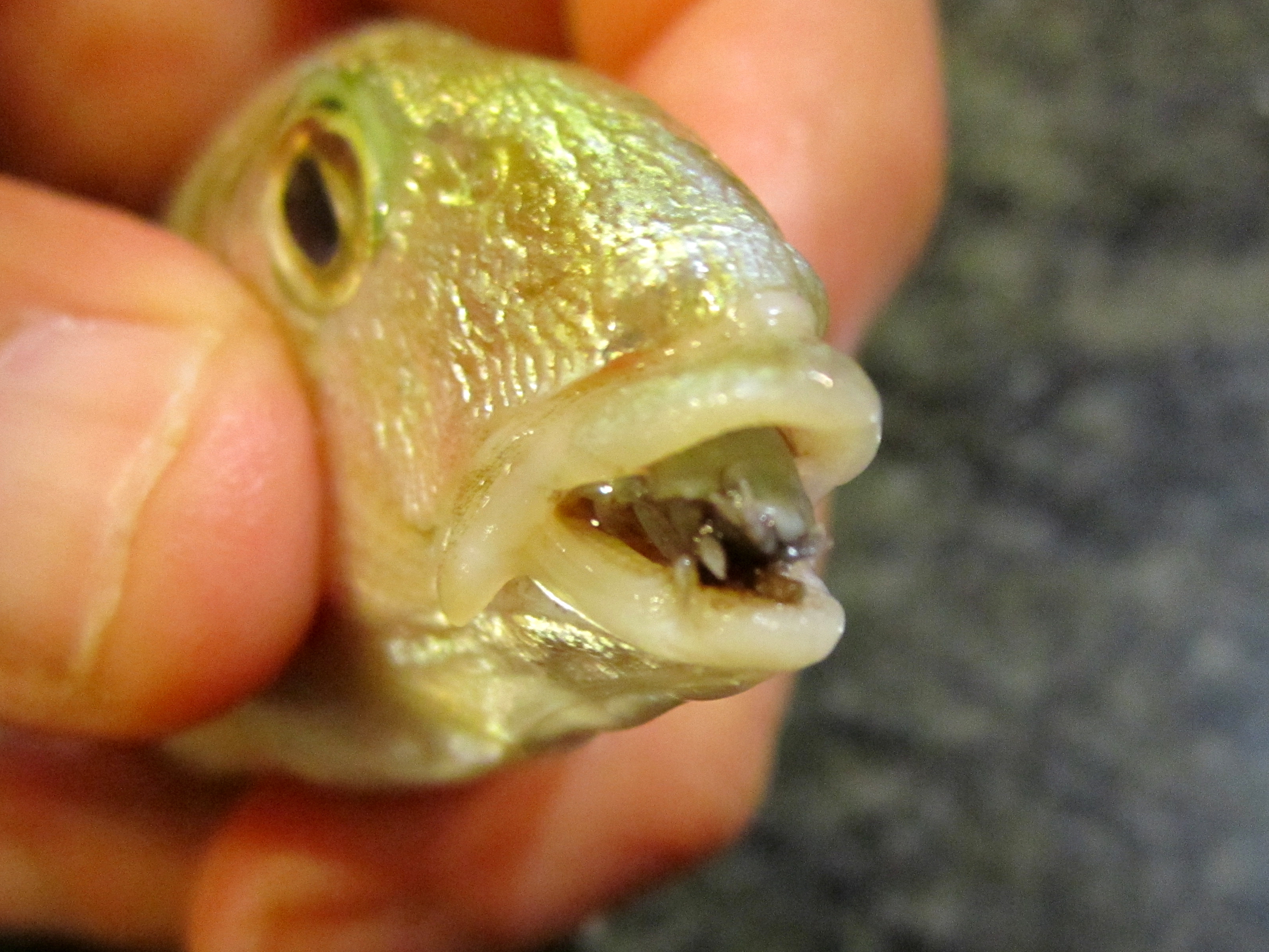
Parasitism is a symbiotic relationship between species where one organism, the parasite, lives on or inside another organism, the host, causing it harm and adapting structurally to this way of life. This phenomenon is observed in various forms, from single-celled protozoans like the agents of malaria and sleeping sickness, to animals such as hookworms, lice, and vampire bats, and even plants like mistletoe and dodder. Parasitism affects nearly every aspect of ecosystems, influencing host behavior, ecology, and evolution. The study of parasitism has significant implications for human health, agriculture, and conservation. As noted by renowned entomologist E. O. Wilson, parasites can be seen as 'predators that eat prey in units of less than one', highlighting the intricate and often misunderstood nature of these relationships.
🌿 Origins & History
The concept of parasitism has been studied for centuries, with early observations by Charles Darwin and Gregor Mendel laying the groundwork for modern parasitology. The term 'parasite' was first coined by Aristotle, who described it as an organism that 'lives at the expense of another'. Today, we recognize six major parasitic strategies, including parasitic castration, directly transmitted parasitism, and vector-transmitted parasitism, which are employed by a wide range of organisms, from protozoans to fungi and plants. For instance, the honey fungus is a parasitic fungus that infects and kills its host plants, while the mistletoe plant is a hemiparasite that obtains nutrients from its host tree.
🔬 How It Works
Parasitism operates through various mechanisms, including the manipulation of host behavior and the exploitation of host resources. This complex interplay between parasite and host has significant implications for our understanding of ecosystems and the evolution of species. As Stephen Jay Gould noted, 'parasites are the ultimate example of evolutionary adaptation', highlighting the remarkable diversity of parasitic strategies and the ongoing 'arms race' between parasites and their hosts.
📊 Key Facts & Numbers
The impact of parasitism is significant, with parasitism affecting nearly every aspect of ecosystems. For example, the mosquito is a vector for diseases such as malaria and dengue fever, which affect millions of people worldwide. Parasitism plays a crucial role in shaping the evolution of host species, driving the development of defense mechanisms and influencing the diversity of ecosystems. As Jane Goodall observed, 'the study of parasitism is essential for understanding the intricate web of life on our planet'.
👥 Key People & Organizations
Key figures in the study of parasitism include E. O. Wilson, who characterized parasites as 'predators that eat prey in units of less than one', and David Raubenstein, who has made significant contributions to our understanding of parasitic ecology. Organizations such as the World Health Organization and the National Institutes of Health also play a crucial role in addressing the impact of parasitism on human health and ecosystems. For example, the World Health Organization has launched initiatives to combat parasitic diseases, while the National Institutes of Health has funded research into the development of new treatments and vaccines for parasitic diseases.
🌍 Cultural Impact & Influence
Parasitism has significant cultural and historical implications, with many societies having developed unique relationships with parasites. For example, the ancient Egyptians used bees to treat parasitic infections, while traditional Chinese medicine has long recognized the importance of balancing the body's 'qi' to prevent parasitic infections. In modern times, the study of parasitism has significant implications for our understanding of ecosystems and the evolution of species, with many scientists, such as Richard Dawkins, highlighting the importance of parasitism in shaping the natural world.
⚡ Current State & Latest Developments
Current research in parasitism is focused on understanding the complex interactions between parasites and their hosts, as well as developing new treatments and vaccines for parasitic diseases. For example, scientists are exploring the use of gene editing technologies to develop new treatments for parasitic diseases. Additionally, the development of new diagnostic tools, such as next-generation sequencing, is enabling researchers to better understand the diversity of parasitic species and their impact on ecosystems. As Craig Venter noted, 'the study of parasitism is essential for understanding the intricate web of life on our planet', highlighting the importance of continued research into this complex and fascinating field.
🤔 Controversies & Debates
Despite the significant progress made in understanding parasitism, there are still many controversies and debates surrounding this topic. For example, some scientists argue that the term 'parasite' is too broad, and that it should be restricted to organisms that cause significant harm to their hosts. Others argue that the study of parasitism is too focused on the negative impacts of parasites, and that more attention should be paid to the beneficial effects of parasitic relationships. As Stephen Jay Gould noted, 'the study of parasitism is a complex and multifaceted field, and one that requires a nuanced and balanced approach'.
🔮 Future Outlook & Predictions
Looking to the future, it is clear that parasitism will continue to play a significant role in shaping the natural world. As Jane Goodall observed, 'the study of parasitism is essential for understanding the intricate web of life on our planet', and it is likely that new discoveries and advances in this field will have significant implications for our understanding of ecosystems and the evolution of species. For example, the development of new treatments and vaccines for parasitic diseases will be crucial in addressing the impact of these diseases on human health and ecosystems.
💡 Practical Applications
The practical applications of parasitism research are numerous and significant. For example, the development of new treatments and vaccines for parasitic diseases has the potential to improve human health and reduce the burden of these diseases. Additionally, the study of parasitism can inform strategies for controlling invasive species and mitigating the impacts of climate change on ecosystems. As Craig Venter noted, 'the study of parasitism is essential for understanding the intricate web of life on our planet', highlighting the importance of continued research into this complex and fascinating field.
Key Facts
- Category
- nature
- Type
- concept