
Contents
Overview
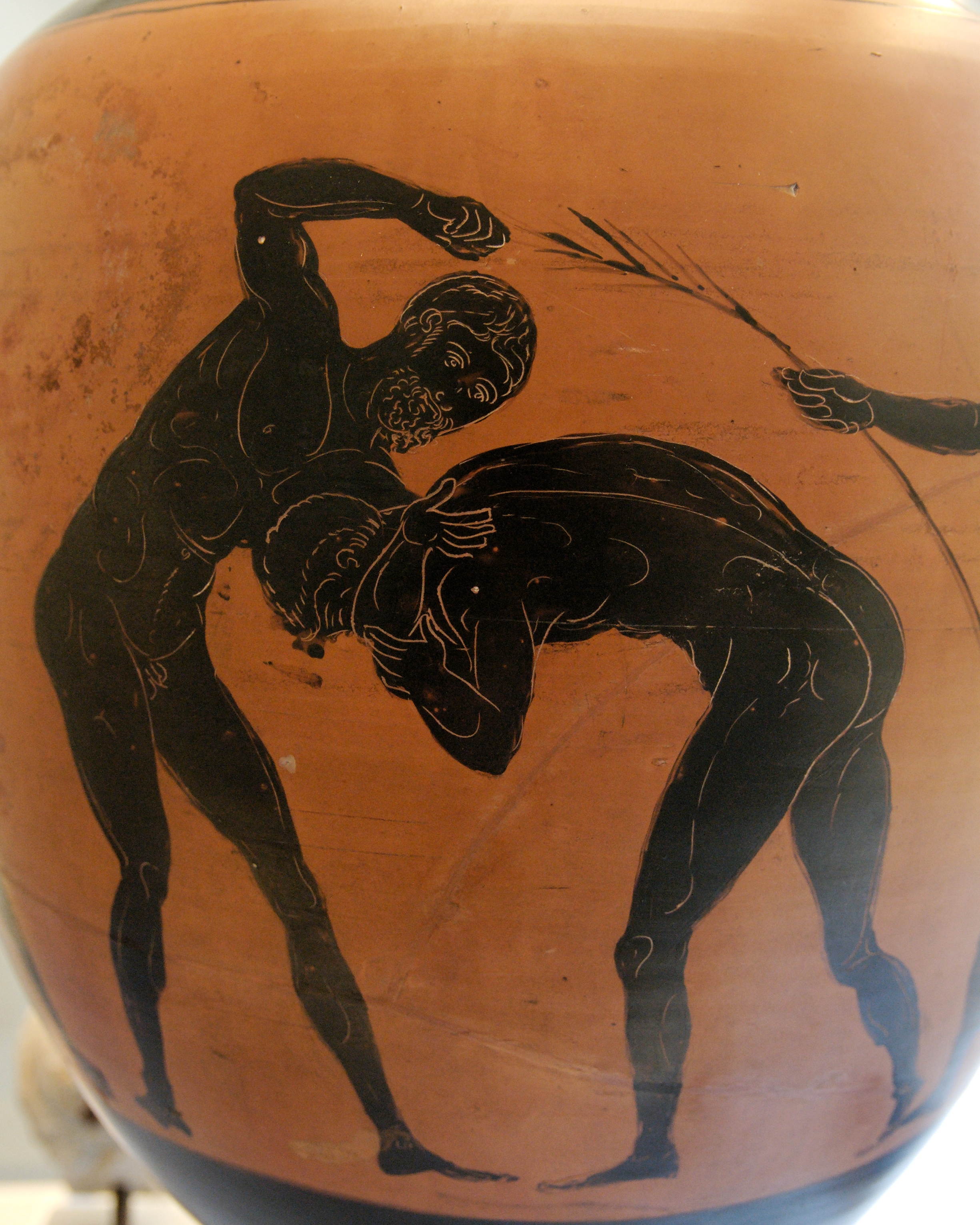
Pankration's genesis is firmly rooted in ancient Greece, officially entering the Olympic Games in 648 BC, making it one of the oldest combat sports known. Its origins, however, likely predate this formal inclusion, possibly evolving from the battlefield tactics of hoplite soldiers and the legendary exploits of heroes like Theseus and Heracles, who were often depicted as practitioners. The sport was a fusion of boxing (pygmachia) and wrestling (pale), but its rules were remarkably permissive, allowing for a devastating array of techniques. The term itself, παγκράτιον (pankrátion), directly translates to 'all of power,' underscoring its comprehensive nature. It was a staple of the Panhellenic Games, including the Olympics, Pythian, Nemean, and Isthmian Games, solidifying its place in the Hellenic cultural landscape.
⚙️ How It Works
The mechanics of pankration were deceptively simple: two athletes, stripped and oiled, fought until one submitted or was incapacitated. The rules strictly forbade biting and eye-gouging, but virtually everything else was permitted. This included powerful punches and kicks, akin to modern striking arts, as well as wrestling holds, throws, joint manipulations, and chokeholds designed to force a submission on the ground. Matches could be incredibly lengthy, sometimes lasting for hours, testing the athletes' endurance, pain tolerance, and strategic acumen. The absence of weight classes meant that athletes often faced opponents of significantly different physiques, demanding a mastery of technique over brute force alone. Referees, known as 'Hellanodikai' in the Olympics, oversaw bouts, intervening only to enforce the few prohibitions or declare a winner.
📊 Key Facts & Numbers
The Roman era sometimes incorporated pankration-like elements into gladiatorial combat. Some recorded bouts extended for days, highlighting the extreme physical and mental fortitude required.
👥 Key People & Organizations
While specific individuals from antiquity are often legendary, figures like Theagenes of Thasos, a three-time Olympic victor in pankration and boxing in the 5th century BC, are well-documented. The legendary heroes Theseus and Heracles are often cited as mythical founders or early practitioners, imbuing the sport with divine and heroic prestige. In the modern era, the International Federation of Associated Wrestling Styles (FILA), now United World Wrestling (UWW), has been instrumental in codifying rules for a modern form of pankration, aiming for its recognition in contemporary athletic bodies. Organizations like the Global Pankration Association (GPA) work to promote the sport internationally, organizing championships and standardizing training methodologies. The legacy of ancient masters like Glaucus of Carystus, who reportedly learned pankration from the god Apollo, continues to inspire.
🌍 Cultural Impact & Influence
Pankration's influence extends far beyond the ancient world, serving as a foundational concept for modern mixed martial arts (MMA). The philosophy of 'all-in' combat, demanding proficiency in striking, grappling, and submission, is a direct descendant of pankration's 'all-power' ethos. Its depiction in ancient Greek art, particularly on pottery like the Panathenaic amphorae, showcases its cultural significance and widespread appeal. The sport's emphasis on complete athleticism also influenced later military training doctrines, emphasizing adaptability and multifaceted combat readiness.
⚡ Current State & Latest Developments
In the 21st century, pankration exists in two primary forms: the historical reenactment of ancient pankration and the modern sport version governed by federations like United World Wrestling (UWW). UWW sanctions 'Pankration' as a wrestling discipline, featuring both 'Pankration Open' (with striking) and 'Pankration Classic' (without striking) variations. International competitions, such as the World Pankration Championships, are held annually, drawing athletes from dozens of countries. The sport continues to gain traction in regions like Europe and Asia, with ongoing efforts to increase its global visibility and potentially secure a place in future Olympic programs. The development of specialized training equipment and techniques, informed by sports science, is also a key aspect of its current evolution.
🤔 Controversies & Debates
The primary controversy surrounding pankration, both ancient and modern, centers on its inherent brutality and the risk of severe injury. Ancient accounts detail numerous fatalities and debilitating injuries, leading to debates about the sport's ethical implications and the responsibility of organizers. In modern pankration, discussions often revolve around the permissibility of certain striking techniques, the effectiveness of safety equipment, and the potential for long-term health consequences for athletes, particularly concerning head trauma. Critics sometimes argue that the sport glorifies violence, while proponents emphasize the discipline, respect, and physical conditioning it fosters, drawing parallels to the controlled aggression necessary in many professions. The debate over whether modern pankration truly honors the spirit of its ancient namesake or has become an independent, albeit related, combat discipline is also ongoing.
🔮 Future Outlook & Predictions
The future of pankration appears poised for continued growth, particularly in its modern sporting iterations. With the increasing popularity of MMA, the historical and philosophical underpinnings of pankration are likely to attract more attention, potentially leading to increased participation and viewership. Efforts by organizations like UWW to standardize rules and promote the sport globally could pave the way for greater international recognition, possibly even leading to its inclusion in major multi-sport events beyond wrestling championships. There is also a growing interest in the historical aspects, with academic research and reenactment groups exploring the sport's ancient techniques and cultural context. The potential for cross-pollination with other martial arts and combat sports remains high, suggesting an ongoing evolution of pankration's techniques and appeal.
💡 Practical Applications
Pankration's practical applications are primarily found in its modern sporting context and its influence on martial arts training. For athletes, it provides a comprehensive system for developing striking, grappling, and submission skills, fostering well-rounded combat proficiency. The discipline and mental fortitude cultivated through pankration training are transferable to various life challenges, promoting resilience and strategic thinking. Historically, the combative principles of pankration informed military training and self-defense strategies in ancient Greece. In contemporary times, the analytical framework of pankration—understanding how to combine disparate combat techniques effectively—informs the training methodologies of MMA fighters, law enforcement officers, and military personnel seeking to develop versatile combat capabilities. Its principles are also applied in physical education programs focused on developing agility, strength, and coordination.
Key Facts
- Category
- culture
- Type
- topic