
Contents
Overview
The story of Olympia begins not with a single founding moment, but with a gradual evolution into a paramount religious and athletic center. While local traditions trace its origins to mythical figures like Pelops, archaeological evidence points to continuous habitation from the Neolithic period. The site's significance truly solidified around the 8th century BC, with the traditional date for the first Olympic Games being 776 BC. This period saw the establishment of the sacred precinct, the Altis, dedicated to Zeus, king of the gods. Over centuries, Olympia grew into one of the four Panhellenic sanctuaries, alongside Delphi, Corinth, and Nemea, fostering a shared Greek identity through religious festivals and athletic contests. The games, initially a single footrace, expanded to include wrestling, boxing, chariot racing, and the pentathlon, attracting athletes and dignitaries from across the Greek city-states, including Athens, Sparta, and Thessaloniki. The sanctuary's influence waned with the rise of Roman power and the eventual suppression of pagan festivals by Emperor Theodosius I in 393 AD, marking the end of the ancient games.
⚙️ How It Worked: The Sanctuary and Games
Olympia functioned as a complex religious and athletic ecosystem. At its heart lay the Altis, a sacred grove enclosed by walls, containing temples, treasuries, altars, and athletic facilities. The Temple of Zeus, housing the colossal chryselephantine statue of Zeus by Phidias—one of the Seven Wonders of the Ancient World—was the spiritual nucleus. Athletes, competing in the nude, underwent rigorous training and swore oaths before the statue of Zeus Horkios (Zeus of the Oaths) to compete fairly. Victors were crowned with olive wreaths, a symbol of honor and glory, and often received hero's welcomes upon returning to their home cities. The games were more than just sport; they were a religious festival, a truce period (the Ekecheiria) that allowed safe passage for participants, and a crucial element in the socio-political fabric of the ancient Greek world, fostering a sense of Hellenic unity that transcended individual polis rivalries. The site also featured the Stadium, where the main events took place, and the Hippodrome for chariot races, though the latter's exact location remains debated by archaeologists.
📊 Key Facts & Numbers
The ancient Olympic Games were held for an astonishing 1,169 years, from 776 BC to 393 AD. During this period, approximately 293 Olympiads were celebrated. The site of Olympia covered an area of about 100,000 square meters, with the Altis precinct itself spanning around 18,000 square meters. The stadium could hold an estimated 40,000 to 45,000 spectators. The number of participating city-states varied, but it's estimated that over 1,000 athletes competed in the peak years of the ancient games. The modern Olympic Games, revived in 1896 in Athens, have grown exponentially, with the 2020 Tokyo Games featuring over 11,000 athletes from 206 National Olympic Committees. The archaeological site of Olympia receives over 1 million visitors annually, generating significant revenue for the Greek tourism industry.
👥 Key People & Organizations
While no single individual "founded" Olympia in the modern sense, its development is intrinsically linked to the evolution of Greek civilization and religious practices. Key figures include mythical founders like Pelops and Heracles, who are traditionally credited with establishing the games. Historically, the Eleans, the people of the region, were responsible for administering the sanctuary and the games. The philosopher Aristotle wrote extensively about the ethics of athletic competition in his work Nicomachean Ethics, referencing the Olympic victors. The modern revival of the Olympic Games was spearheaded by Baron Pierre de Coubertin, a French educator and historian, who founded the International Olympic Committee (IOC) in 1894. The Greek government and the Hellenic Olympic Committee play crucial roles in preserving the site and organizing Olympic-related events.
🌍 Cultural Impact & Influence
Olympia's cultural impact is immeasurable, extending far beyond the realm of athletics. The concept of the Olympic Games, as a quadrennial festival celebrating human excellence and promoting peace, has become a global phenomenon. The phrase "Olympic spirit" itself signifies fair play, camaraderie, and the pursuit of personal best. The ancient games influenced Greek art, literature, and philosophy, with poets like Pindar composing odes to victors. The site's rediscovery and excavation in the 19th century by German archaeologists, notably Ernst Curtius, ignited a renewed interest in classical antiquity and contributed significantly to the field of archaeology. The modern Olympics, inspired by Olympia, have become a powerful tool for international diplomacy and cultural exchange, though they are not without their controversies, often reflecting broader geopolitical tensions.
⚡ Current State & Latest Developments
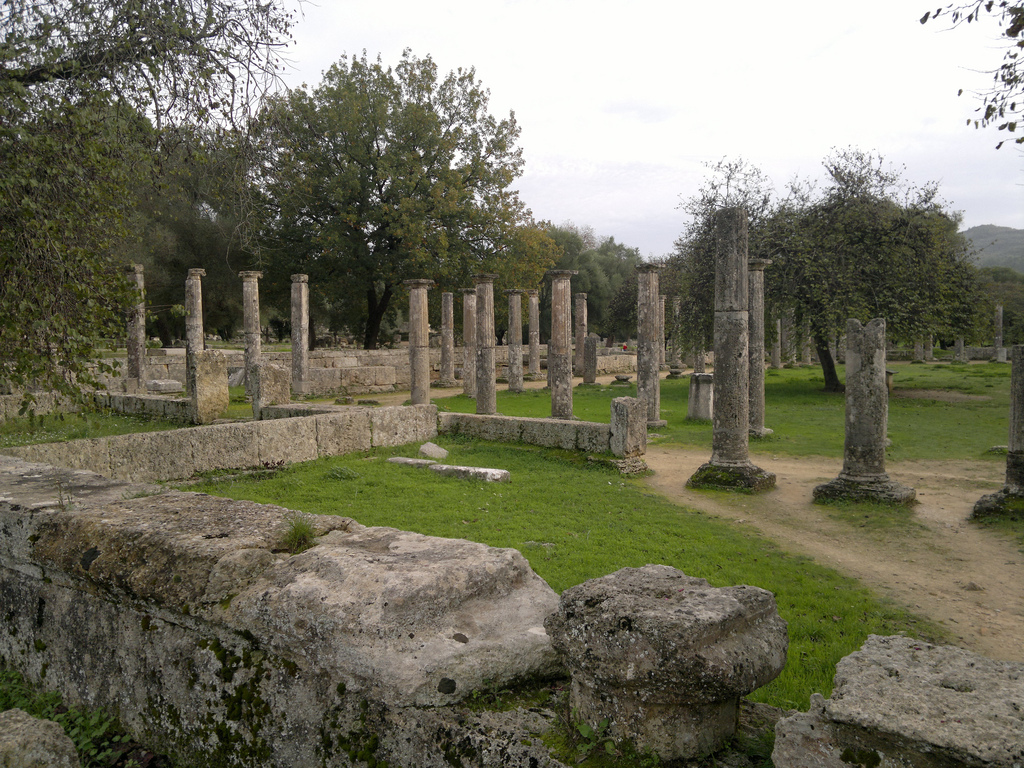
Today, Olympia is a UNESCO World Heritage site, meticulously preserved and managed by the Hellenic Ministry of Culture and Sports. Ongoing archaeological research and restoration projects continue to uncover new insights into the sanctuary's history and architecture. The site remains an active location for Olympic-related ceremonies, most notably the lighting of the Olympic flame for both the Summer and Winter Games, which takes place in front of the ruins of the Temple of Hera using a parabolic mirror. The nearby modern town of Archaia Olympia serves as a hub for tourists visiting the archaeological site, offering accommodations, restaurants, and museums, including the Archaeological Museum of Olympia which houses many of the site's most significant artifacts, such as the Statue of Hermes by Praxiteles. Efforts are continuously made to balance tourism with the preservation of this invaluable historical treasure.
🤔 Controversies & Debates
The most significant controversy surrounding Olympia is the very notion of its 'ancient' status versus its modern commercialization. While the site is revered, its association with the modern Olympic Games has led to debates about the authenticity of the 'spirit' being perpetuated. Some critics argue that the modern games, with their massive budgets, corporate sponsorships, and nationalistic rivalries, have strayed far from the ideals of Olympia. Furthermore, the historical accuracy of certain founding myths and the precise details of ancient athletic practices are subjects of ongoing scholarly debate. The suppression of the ancient games by Christianity in the 4th century AD also represents a historical tension, marking the end of a pagan tradition and the rise of a new religious order. The ongoing debate about the environmental impact of mass tourism on the fragile archaeological site is another pressing concern.
🔮 Future Outlook & Predictions
The future of Olympia is intrinsically tied to the future of the Olympic movement itself. As the IOC grapples with issues like host city selection, sustainability, and the increasing professionalization of athletes, Olympia's symbolic importance will likely endure. There is a growing movement to further integrate digital technologies for enhanced visitor experiences, such as augmented reality reconstructions of the ancient site. Educational initiatives aimed at younger generations will be crucial in ensuring the legacy of Olympia is understood beyond its athletic associations, emphasizing its role as a center of ancient Greek culture, religion, and identity. The potential for Olympia to host symbolic events or ceremonies related to global peace initiatives, beyond just the flame lighting, is also a speculative but intriguing possibility, further solidifying its role as a beacon of international goodwill.
💡 Practical Applications
The primary practical application of Olympia today is its role as a globally recognized symbol of athletic achievement and international cooperation. The lighting of the Olympic flame at the ancient site is a powerful ritual that connects the modern games to their historical roots, serving as a potent marketing and symbolic tool for the IOC. The archaeological site itself is a vital
Key Facts
- Category
- history
- Type
- topic