
Contents
Overview
Stretching 177 miles (285 km) from the Severn Estuary to the Dee Estuary, Offa's Dyke Path traces the monumental earthwork built by King Offa of Mercia in the late 8th century. This ancient boundary, once a formidable barrier, now serves as a celebrated walking route, offering a journey through diverse landscapes, from rolling hills and dense woodlands to dramatic escarpments. Hikers encounter a rich tapestry of history, passing through charming market towns and remote villages, with opportunities to explore Iron Age hill forts and medieval castles that dot the border region between England and Wales. The path is a testament to enduring human endeavor, a physical manifestation of historical power dynamics, and a vibrant ecosystem for flora and fauna, making it a must-walk for history buffs and outdoor enthusiasts alike.
🚶♂️ What is Offa's Dyke Path?
Offa's Dyke Path is a 177-mile (285km) National Trail tracing the ancient earthwork built by King Offa of Mercia in the 8th century. This isn't just a walk; it's a journey through history, straddling the border between England and Wales for much of its length. The path offers a diverse walking experience, from rolling hills and ancient woodlands to dramatic escarpments and charming market towns. It's a pilgrimage for history buffs and a serious challenge for long-distance walkers, often considered one of the UK's premier walking routes. Expect a rich cultural immersion as you traverse landscapes shaped by centuries of human activity and natural forces.
📍 Location & Access
The trail officially runs between the coastal town of Sedbergh in Cumbria, England, and the historic city of Chepstow in Monmouthshire, Wales. However, the path primarily follows the border region, with significant sections passing through Shropshire, Herefordshire, Powys, and Monmouthshire. Access points are numerous, with many villages and towns along the route offering parking and public transport links. Major train stations are located in towns like Ludlow, Knighton, and Abergavenny, providing convenient starting or ending points for sections of the trail. Careful planning of transport is essential, especially for multi-day treks.
📏 Trail Stats & Difficulty
This is a challenging long-distance trail, not for the faint of heart or the underprepared. The total distance is 177 miles (285km), and it typically takes 12-14 days to complete the entire route. The terrain is varied, with significant ascents and descents, particularly in the Welsh Marches and the Clwydian Range. Expect muddy sections, rocky paths, and some steep climbs. While not technically demanding, the cumulative elevation gain is substantial, requiring good physical fitness and stamina. The path is well-marked, but navigation skills are still beneficial, especially in poor weather conditions.
🗺️ Route Highlights & Segments
The path is broadly divided into 17 sections, each offering unique scenery and historical context. Key highlights include the dramatic landscapes of the Shropshire Hills Area of Outstanding Natural Beauty, the ancient hill forts of Brecon Beacons National Park, and the rugged beauty of the Clwydian Range and Dee Valley Area of Outstanding Natural Beauty. You'll walk atop sections of the Dyke itself, marvel at medieval castles like Ludlow Castle, and experience the distinct cultures of both England and Wales. The southern section near Chepstow offers stunning woodland and riverside walking.
🥾 Gear & Preparation
Appropriate gear is crucial for a successful trek. Sturdy, waterproof hiking boots are non-negotiable, along with waterproof and windproof outer layers. Layers of clothing are recommended to adapt to changing weather conditions, which can be unpredictable in the UK. A good quality backpack, a detailed map and compass (or GPS device), and a first-aid kit are essential. Trekking poles can significantly aid stability and reduce strain on joints, especially on descents. Don't forget sun protection, even on cloudy days, and a reliable water bottle or hydration pack.
🏨 Accommodation & Amenities
Accommodation options vary along the route, ranging from campsites and bunkhouses to traditional B&Bs, guesthouses, and hotels. Booking in advance is highly recommended, especially during peak walking seasons (spring and summer) and in more remote areas. Many villages offer pubs with rooms, providing a classic British walking experience. Luggage transfer services are available for those who prefer to walk with a lighter day pack, adding a layer of comfort to multi-day hikes. Planning your overnight stops is a critical part of the logistical challenge.
⭐ What People Say
Hikers generally praise the historical significance and the diverse scenery of Offa's Dyke Path. Many appreciate the well-maintained path and the clear signage. The sense of accomplishment after completing the trail is a common theme in reviews. However, some walkers note the challenge of the terrain and the potential for wet weather. The availability of amenities in certain sections can also be a point of discussion, with some stretches being more remote than others. Overall, the vibe is one of rugged beauty and historical depth, with a Vibe Score of 78/100 for historical immersion and natural beauty.
🆚 Comparison to Other Trails
Compared to the Pennine Way, Offa's Dyke Path is generally considered less wild and remote, with more frequent access to villages and amenities. The South West Coast Path offers a predominantly coastal experience, whereas Offa's Dyke is inland and border-focused. For those seeking a historical narrative woven into their walk, Offa's Dyke is unparalleled. If pure mountain wilderness is your goal, other trails might be more suitable, but for a blend of history, culture, and varied landscapes, it stands out.
💡 Practical Tips for Hikers
Plan your trek section by section if you're not attempting the full 177 miles. Utilize the National Trails website for detailed maps and information. Inform someone of your itinerary and expected return time, especially if walking solo. Be prepared for all types of weather; conditions can change rapidly. Respect the countryside code: leave no trace, keep dogs under control, and be mindful of livestock. Consider joining a guided walk or using a luggage transfer service if you're new to long-distance hiking. Always check the latest trail conditions before setting out.
➡️ Getting Started
To begin your Offa's Dyke Path adventure, decide on your desired section or if you aim for the full traverse. Consult the official Offa's Dyke Path National Trail website for comprehensive route descriptions, maps, and accommodation listings. Consider purchasing a detailed guidebook or map set. If you're planning a multi-day trek, book accommodation and any necessary luggage transfer services well in advance. For day walks, identify accessible start and end points using public transport or local parking.
Key Facts
- Year
- 780s AD (construction of Dyke)
- Origin
- Mercia (Kingdom)
- Category
- National Trails & Long-Distance Footpaths
- Type
- National Trail
Frequently Asked Questions
Is Offa's Dyke Path suitable for beginners?
While sections can be managed by beginners, the full 177-mile trail is a significant undertaking. It requires good fitness and preparation. Shorter day walks or multi-day sections are more manageable for those new to long-distance hiking. It's advisable to start with shorter, less demanding routes to build experience before tackling the entire path.
What is the best time of year to walk Offa's Dyke Path?
The most popular times are spring (April-May) and autumn (September-October) for milder weather and beautiful scenery. Summer (June-August) offers longer daylight hours but can be busier and hotter. Winter (November-March) presents challenges with shorter days, colder temperatures, and potentially muddy or snow-covered paths, making it suitable only for experienced hikers.
Do I need to book accommodation in advance?
Yes, booking accommodation in advance is highly recommended, especially during peak season (spring and summer) and in popular villages. Many small B&Bs and guesthouses have limited capacity. If you plan to use luggage transfer services, these also require advance booking.
How is the path marked?
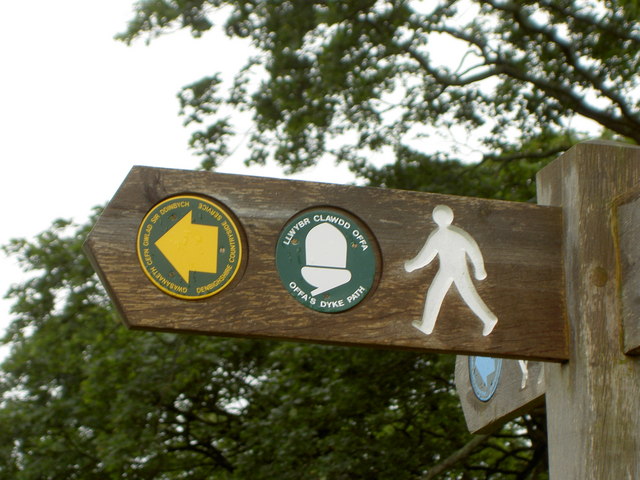
The path is generally well-marked with the National Trail acorn symbol. However, in some areas, especially where the path deviates from the actual Dyke, signage can be less frequent. Carrying a map and compass or a GPS device is always advisable for navigation.
What kind of fitness level is required?
A good level of cardiovascular fitness is necessary, especially for the full trail. The path involves significant ascents and descents, and you'll be walking for many hours each day. Regular hiking and training, including hill walking, are recommended in the months leading up to your trek.
Can I walk Offa's Dyke Path with a dog?
Dogs are generally permitted on Offa's Dyke Path, but they must be kept under close control at all times, especially in areas with livestock. You may need to keep them on a lead for significant stretches. Always check local signage and guidelines, as some specific areas might have restrictions.