
Contents
Overview
The genesis of off-roading can be traced to the very dawn of the automobile, as early pioneers like Horace Peyton Whitney and Charles Rolls used their nascent vehicles to traverse challenging terrains, pushing the limits of early automotive engineering. By the 1930s and 1940s, military vehicles like the Willys MB demonstrated the rugged capabilities required for off-pavement travel, laying the groundwork for civilian adoption. Post-World War II, surplus military Jeeps became popular for recreational use, particularly in the United States, fueling the nascent hobby. The 1960s and 1970s saw a surge in interest with the development of specialized off-road vehicles and the establishment of organized events, solidifying off-roading as a distinct recreational pursuit. Early pioneers like Jim Creegan and Mark Smith were instrumental in shaping the sport through publications and events.
⚙️ How It Works
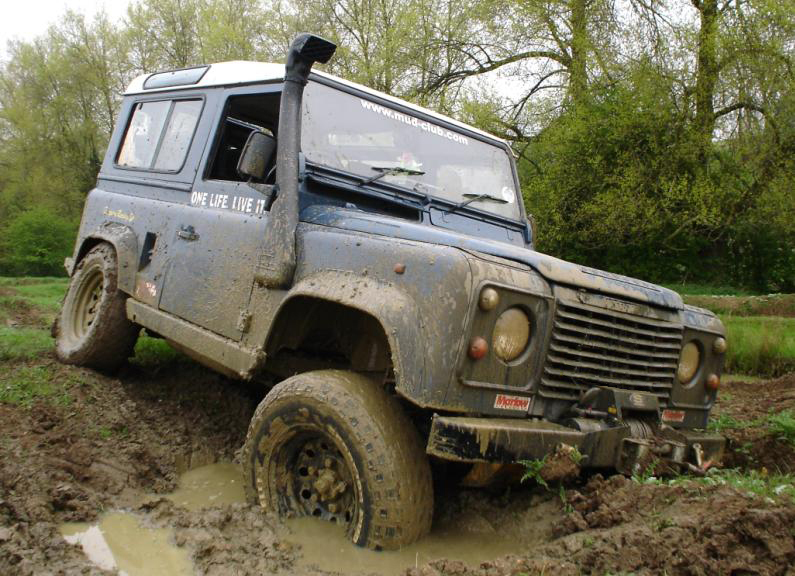
At its core, off-roading relies on vehicles engineered for durability and traction on unstable surfaces. Key mechanical features include high ground clearance to navigate obstacles, robust suspension systems to absorb impacts, and specialized tires with aggressive tread patterns for grip on mud, rock, and sand. Four-wheel drive (4WD) or all-wheel drive (AWD) systems are crucial, often featuring low-range gearing for increased torque at slow speeds. Advanced systems like locking differentials and electronic traction control further enhance capability by ensuring power is delivered to wheels with grip. Drivers must employ specific techniques, such as maintaining momentum on loose surfaces, carefully selecting lines to avoid damage, and understanding vehicle articulation to keep all wheels on the ground.
📊 Key Facts & Numbers
The global off-road vehicle market is substantial. In the United States alone, millions of individuals participate in off-roading activities annually, contributing significantly to local economies through tourism and equipment sales. The market for aftermarket off-road parts and accessories is estimated to be worth billions of dollars, with companies like ARB 4x4 Accessories and Fox Factory reporting strong sales. Competitive off-roading events, such as the Dakar Rally, attract hundreds of thousands of spectators and involve hundreds of professional and amateur participants, generating substantial media coverage and sponsorship revenue.
👥 Key People & Organizations
Key figures in off-roading include pioneers like Mark Smith, often credited with popularizing the term 'off-roading' and organizing early events like the Jeep Speed Rally. Rod Hall was a legendary racer. Organizations like the United Four Wheel Drive Associations (UFWDA) and the BlueRibbon Coalition advocate for responsible off-roading and access to public lands. Manufacturers such as Jeep, Land Rover, Toyota, and Ford have been pivotal in developing and popularizing off-road capable vehicles, with models like the Jeep Wrangler, Toyota Land Cruiser, and Ford Bronco becoming icons of the genre.
🌍 Cultural Impact & Influence
Off-roading has profoundly influenced automotive design, inspiring the development of more rugged and capable SUVs and trucks for the mainstream market. It has fostered a distinct subculture with its own vernacular, community events, and media outlets, such as magazines like Four Wheeler and numerous online forums and YouTube channels dedicated to the hobby. The aesthetic of ruggedness associated with off-roading has also permeated fashion and lifestyle trends. Furthermore, the pursuit of off-road capability has driven innovation in tire technology, suspension systems, and drivetrain components, benefiting not only off-roaders but also the broader automotive industry.
⚡ Current State & Latest Developments
The off-roading landscape in 2024 is characterized by a growing interest in overlanding, a style of off-roading focused on self-sufficient travel to remote destinations, often involving rooftop tents and extensive vehicle modifications. Electric off-road vehicles are also emerging, with companies like Rivian and Scout Motors developing models specifically for this market, promising quieter and potentially more environmentally friendly adventures. Simultaneously, there's an ongoing push for greater access to public lands for off-road recreation, with advocacy groups actively lobbying against closures. The proliferation of high-definition off-road trail mapping apps and GPS devices continues to enhance navigation and safety for enthusiasts.
🤔 Controversies & Debates
A significant controversy surrounding off-roading centers on its environmental impact. Debates also rage over land access, with many trails and areas being closed to motorized vehicles due to environmental concerns or conflicts with other land users like hikers and equestrians. The legality and ethics of modifying vehicles for extreme off-roading, sometimes pushing the boundaries of noise and emissions regulations, also spark contention. The rise of 'rogue' off-roading, where individuals disregard rules and damage trails, further fuels these debates.
🔮 Future Outlook & Predictions
The future of off-roading appears poised for a significant technological shift, with electric powertrains promising to reduce noise pollution and emissions, potentially opening up new access opportunities. Overlanding is expected to continue its growth trajectory, emphasizing sustainable travel and self-reliance. However, the challenge of balancing recreational access with environmental preservation will intensify, likely leading to more stringent regulations and a greater reliance on technology for monitoring and managing trail use. Expect to see more sophisticated off-road navigation aids and vehicle-integrated systems designed to minimize impact and maximize safety in remote environments.
💡 Practical Applications
Off-roading's practical applications extend beyond recreation. It is essential for exploration and scientific research in remote regions, enabling access for geologists, biologists, and archaeologists. Military and emergency services rely on off-road vehicles for operations in challenging terrains. Furthermore, the technologies developed for off-roading, such as advanced suspension and tire systems, often find their way into mainstream passenger vehicles, improving their all-weather and rough-road performance. The skills learned in off-roading, like precise vehicle control and situational awareness, are also transferable to other driving disciplines.
Key Facts
- Category
- movements
- Type
- topic