
Contents
Overview
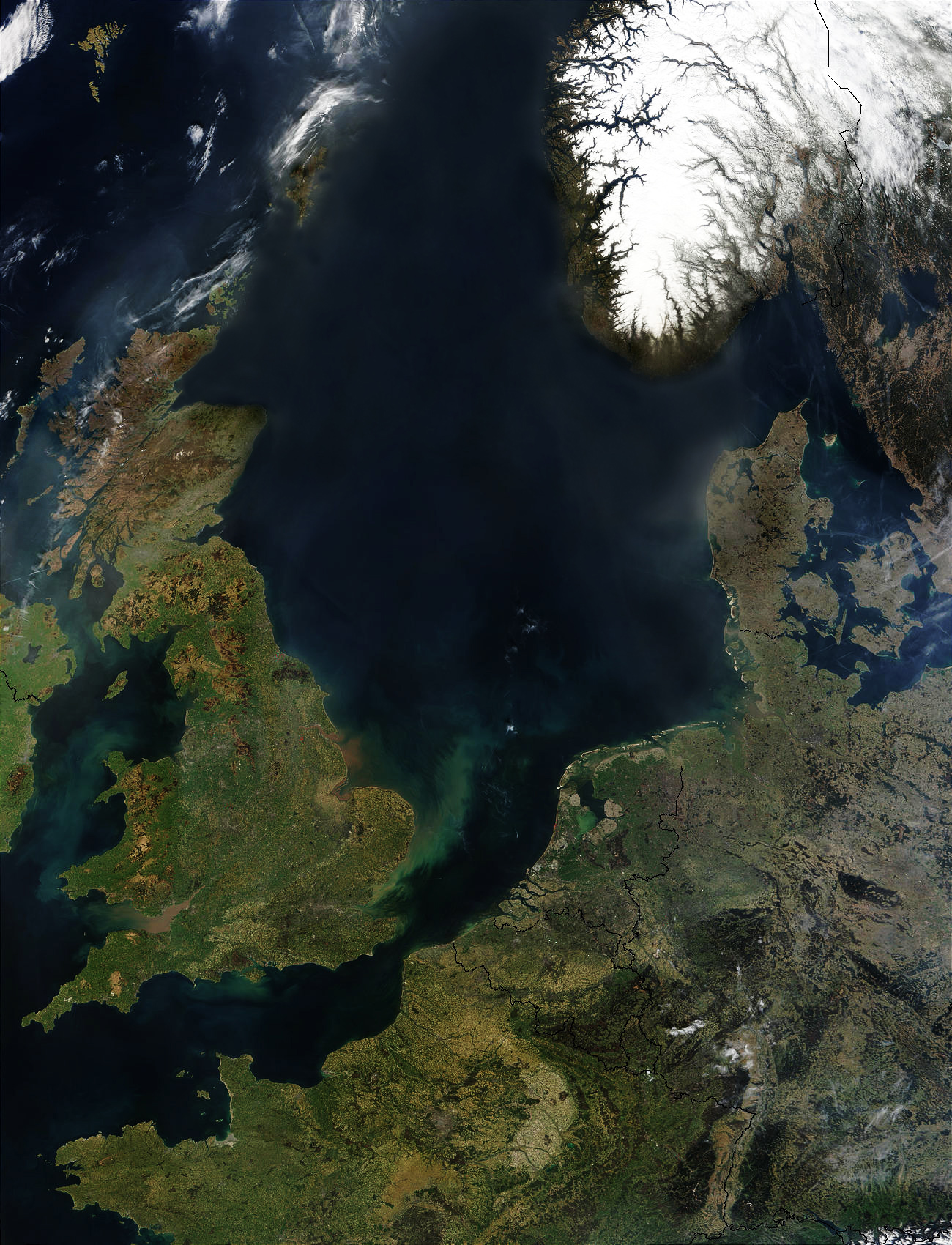
The North Sea is a significant body of water, stretching over 970 kilometres (600 mi) in length and 580 kilometres (360 mi) in width, covering an area of 570,000 square kilometres (220,000 sq mi). It is bounded by the European continental shelf and connects to the Atlantic Ocean through the English Channel in the south and the Norwegian Sea in the north. The North Sea's unique geography has made it an important location for international trade, with major ports like Rotterdam and Hamburg facilitating the exchange of goods.
🚣♀️ History & Cultural Significance
The North Sea has a rich history, with the Hanseatic League playing a significant role in the region's trade and commerce during the Middle Ages. The Dutch Republic also rose to prominence in the 17th century, with the North Sea serving as a key location for their maritime trade. The North Sea was also the centre of the Vikings' rise, with Leif Erikson and other Viking explorers setting sail from the region to discover new lands. Today, the North Sea remains an important location for international relations, with countries like Germany, France, and Belgium working together to manage its resources and protect its environment.
💡 Energy Resources & Economy
The North Sea is a significant source of energy resources, including wind and wave power. Companies like Vestas and Siemens Gamesa are leading the way in offshore wind energy, with large wind farms like the London Array and Gwynt y Môr generating electricity for millions of homes. The North Sea is also home to significant oil and gas reserves, with countries like Norway and the United Kingdom extracting these resources to fuel their economies.
🌟 Tourism & Recreation
The North Sea's coastline is a popular destination for recreation and tourism, with its beautiful beaches, scenic coastal towns, and vibrant cities. Visitors can enjoy a range of activities, from sailing and fishing to hiking and cycling, with popular destinations like Amsterdam, Copenhagen, and Edinburgh offering a unique blend of culture, history, and natural beauty. The North Sea is also home to a diverse range of wildlife, including seabirds, dolphins, and whales, making it a popular location for nature lovers and conservationists.
Key Facts
- Year
- 2023
- Origin
- European continental shelf
- Category
- nature
- Type
- place
Frequently Asked Questions
What is the significance of the North Sea in European history?
The North Sea has played a significant role in European history, from the rise of the Vikings to the modern era. It has been an important location for international trade, with major ports like Rotterdam and Hamburg facilitating the exchange of goods. The North Sea has also been a key location for the extraction of energy resources, including oil and gas.
What are the main economic activities in the North Sea region?
The main economic activities in the North Sea region include shipping, fishing, and the extraction of energy resources like oil and gas. The region is also home to a significant number of wind farms, generating electricity for millions of homes. Tourism is also a significant contributor to the regional economy, with visitors drawn to the area's natural beauty and cultural heritage.
How is the North Sea protected and managed?
The North Sea is protected and managed by a range of international agreements and organizations, including the European Union's Common Fisheries Policy and the Oslo and Paris Conventions. These agreements aim to protect the North Sea's environment and ensure the sustainable use of its resources. Countries bordering the North Sea, like the United Kingdom, Norway, and Denmark, also work together to manage the region's resources and protect its environment.
What are the main environmental concerns in the North Sea region?
The main environmental concerns in the North Sea region include pollution, overfishing, and climate change. The North Sea is a busy shipping lane, and there are concerns about the impact of pollution from ships on the region's marine life. Overfishing is also a significant concern, with some species being overfished to the point of depletion. Climate change is also having an impact on the North Sea, with rising sea levels and changes in ocean currents affecting the region's ecosystems.
How does the North Sea contribute to the global economy?
The North Sea contributes to the global economy in a number of ways, including through the extraction of energy resources like oil and gas, and the generation of electricity from wind farms. The region is also an important location for international trade, with major ports like Rotterdam and Hamburg facilitating the exchange of goods. The North Sea's fisheries are also an important contributor to the global food supply, with many species being caught and exported to countries around the world.