
Contents
Overview
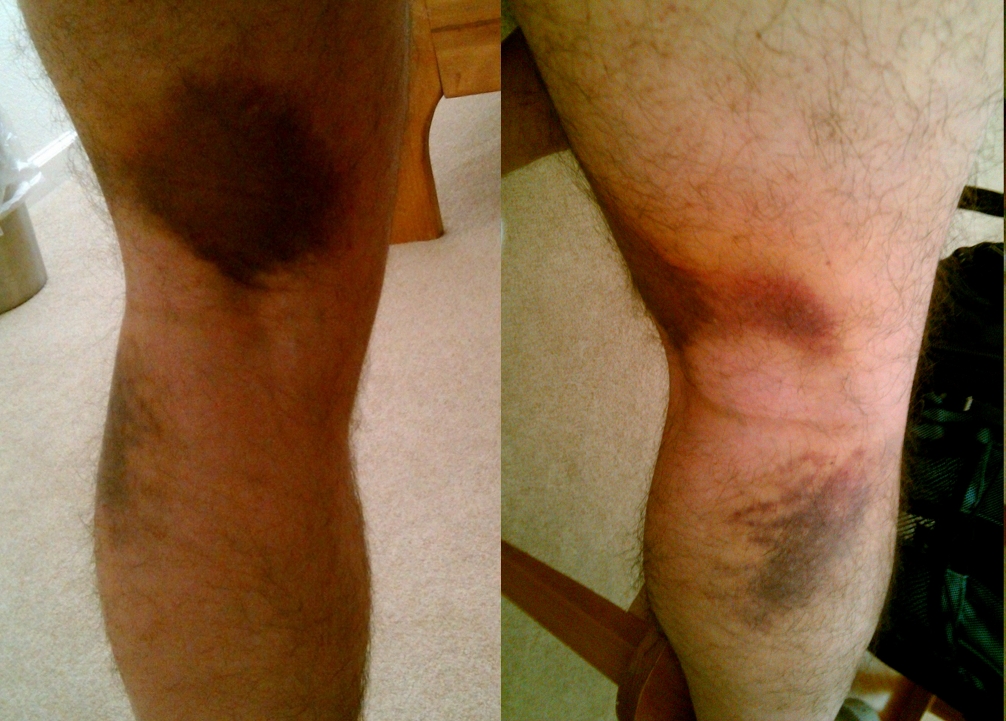
A muscle strain, often colloquially termed a 'pulled muscle,' occurs when the muscle is subjected to forces exceeding its capacity, frequently during sudden bursts of activity, rapid acceleration, or overexertion. While the immediate sensation is often sharp pain, followed by stiffness and reduced mobility, the underlying pathology involves microscopic or macroscopic damage to the muscle tissue. Strains are ubiquitous across athletic pursuits and everyday life, with the lower back, hamstrings, and quadriceps being particularly vulnerable sites. Management typically follows the RICE (Rest, Ice, Compression, Elevation) principle, though more severe tears may necessitate physical therapy or even surgical intervention. The recovery timeline varies dramatically based on the severity of the tear, ranging from a few days for mild strains to several months for complete ruptures.
🎵 Origins & History
The understanding of muscle strains predates formal medical terminology, with ancient civilizations likely recognizing and treating muscle injuries. William Harvey elucidated blood circulation, laying early groundwork for understanding soft tissue damage. However, the precise histological and physiological mechanisms of muscle tearing remained obscure for centuries. The 20th century saw significant advancements, particularly with the rise of sports medicine and biomechanics, leading to more sophisticated diagnostic tools and treatment protocols for muscle strains, distinguishing them from ligamentous sprains and fractures.
⚙️ How It Works
A muscle strain occurs when muscle fibers are subjected to excessive tension, causing them to stretch beyond their elastic limit and rupture. This can happen acutely, during a sudden forceful movement (like sprinting or lifting a heavy object), or chronically, due to repetitive stress over time, as seen in endurance athletes. The injury triggers an inflammatory response, characterized by pain, swelling, and loss of function. Microscopic tears are classified as Grade 1 strains, partial tears are Grade 2, and complete ruptures are Grade 3. The severity dictates the extent of fiber damage, the number of affected muscle fibers, and the resulting functional deficit. Healing involves a complex cascade of cellular repair processes, including inflammation, proliferation, and remodeling, orchestrated by cytokines and growth factors.
📊 Key Facts & Numbers
Globally, muscle strains are among the most common sports-related injuries. Studies suggest that up to 90% of all back pain episodes are related to muscle or ligamentous strains. The economic burden is substantial, with healthcare costs associated with treating strains, including doctor visits, physical therapy, and medication, running into billions of dollars annually worldwide.
👥 Key People & Organizations
While no single individual 'discovered' muscle strains, pioneers in sports medicine and orthopedics have significantly advanced our understanding and treatment. Dr. James Andrews, a renowned orthopedic surgeon, has extensively documented and treated muscle injuries in elite athletes, contributing to refined surgical techniques for severe tears. Organizations like the American College of Sports Medicine (ACSM) and the National Athletic Trainers' Association (NATA) play crucial roles in establishing best practices for prevention, diagnosis, and rehabilitation. Research institutions such as the Kerlan-Jobe Institute have also been instrumental in advancing the science behind muscle injury management.
🌍 Cultural Impact & Influence
Muscle strains are deeply embedded in the cultural lexicon, particularly within the realm of sports and physical activity. Phrases like 'pulled a hamstring' or 'tweaked my back' are common parlance, reflecting the widespread experience of these injuries. The media often highlights strains suffered by prominent athletes, underscoring their impact on performance and careers, as seen with LeBron James's various muscle issues. This cultural visibility has also fueled a market for preventative measures, therapeutic devices, and rehabilitation services, shaping consumer behavior and the wellness industry. The narrative of overcoming a muscle strain is a recurring theme in sports biographies and documentaries, often portrayed as a test of resilience and determination.
⚡ Current State & Latest Developments
Current research is focused on more precise diagnostic imaging, such as advanced MRI techniques, to better differentiate between various degrees of muscle fiber damage. Innovations in regenerative medicine, including PRP injections and stem cell therapies, are being explored for their potential to accelerate healing and improve outcomes for severe strains. Furthermore, the integration of wearable technology and AI in sports analytics is leading to more sophisticated injury prediction models, aiming to proactively identify athletes at higher risk and implement targeted preventative strategies. The development of novel biomaterials for surgical repair and tissue regeneration also represents a significant frontier.
🤔 Controversies & Debates
A persistent debate revolves around the optimal rehabilitation protocols for different grades of muscle strains. While RICE is a standard initial approach, the timing and intensity of returning to activity remain contentious. Some argue for earlier mobilization to prevent muscle atrophy and scar tissue formation, while others advocate for more conservative rest periods to ensure complete tissue healing. The efficacy and cost-effectiveness of emerging treatments like PRP and stem cells are also subjects of ongoing discussion and research, with varying clinical trial results and regulatory hurdles. Furthermore, the role of psychological factors in recovery, such as fear of re-injury and motivation, is increasingly recognized but not always systematically addressed in standard care.
🔮 Future Outlook & Predictions
The future of muscle strain management points towards highly personalized and predictive approaches. Advances in genomics may allow for the identification of genetic predispositions to muscle injuries, enabling tailored preventative programs. Biotechnology is expected to yield more effective regenerative therapies, potentially reducing recovery times and the risk of re-injury. We might see the widespread use of AI-powered biomechanical analysis in real-time during training and competition to alert athletes and coaches to potentially injurious movements. The goal is to shift from reactive treatment to proactive injury prevention, minimizing the incidence and impact of muscle strains across all levels of physical activity.
💡 Practical Applications
Muscle strains have direct practical applications in sports medicine, physiotherapy, and rehabilitation. Athletes of all levels, from amateur joggers to professional Olympic athletes, utilize knowledge of strain prevention and management to maintain performance and longevity. In occupational health, understanding strains is crucial for designing ergonomic workstations and implementing safe lifting techniques to prevent injuries in physically demanding jobs. Rehabilitation programs, often guided by physical therapists and athletic trainers, employ specific exercises and modalities to restore strength, flexibility, and function following a strain. Even in everyday life, basic knowledge of RICE can significantly aid recovery from minor muscle pulls.
Key Facts
- Category
- science
- Type
- topic