
Contents
Overview
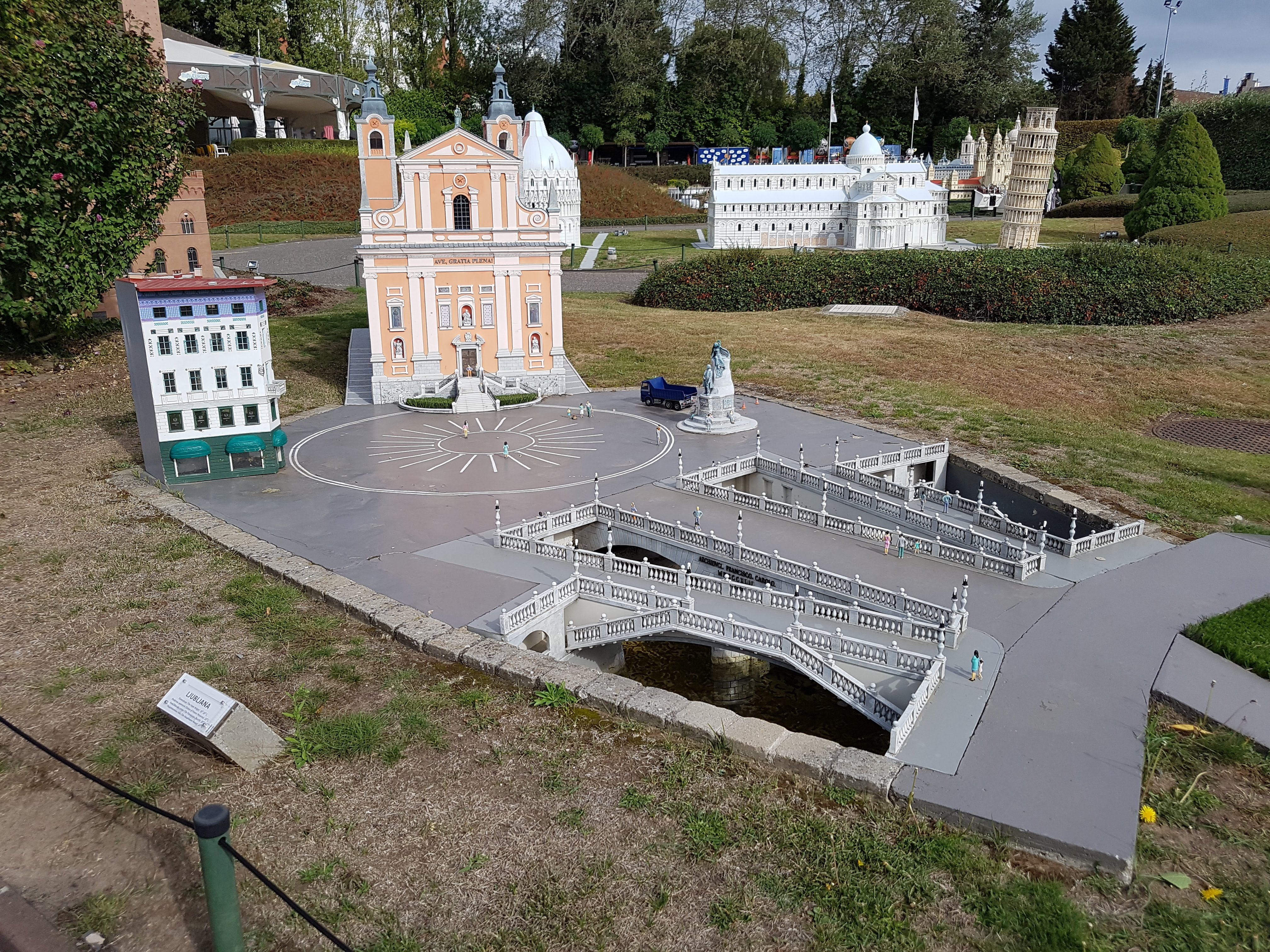
Miniature worlds encompass a vast spectrum of scaled-down environments, ranging from meticulously crafted hobbyist dioramas to large-scale, publicly accessible miniature parks. These creations serve diverse purposes, including artistic expression, historical preservation, architectural modeling, and pure entertainment. The appeal lies in the ability to control and observe entire universes within a confined space, offering a unique perspective on complexity and detail. Globally, these miniature realms attract millions of visitors annually, demonstrating a significant cultural and economic impact. From the detailed replication of famous landmarks in miniature parks like Madurodam in the Netherlands to the fantastical landscapes found in tabletop role-playing games, miniature worlds tap into a fundamental human fascination with creation and observation. The ongoing evolution of materials and digital tools continues to push the boundaries of what's possible in this miniaturized domain.
🎵 Origins & History
The concept of creating miniature representations of reality has ancient roots, with early examples found in Egyptian tombs depicting scaled-down scenes of daily life and in Roman models of cities. However, the modern iteration of miniature worlds, particularly as public attractions, began to take shape in the late 19th and early 20th centuries. The World's Columbian Exposition in Chicago in 1893 featured a notable miniature of the fairgrounds, sparking public interest. Early 20th-century pioneers like George W. Potter with his "Miniature America" in New Jersey, and the establishment of Madurodam in 1952 in The Hague, Netherlands, cemented the idea of the miniature park as a significant tourist destination. These early ventures often focused on replicating national landmarks and urban landscapes, aiming to educate and entertain.
⚙️ How It Works
The creation of miniature worlds involves a meticulous process of scaling down real-world objects, buildings, and landscapes. This typically begins with detailed research, including blueprints, photographs, and site visits, to ensure accuracy. Materials vary widely, from traditional choices like wood, plastic, and metal to advanced 3D printing filaments and laser-cut acrylics. The scale is crucial, with common ratios like 1:87 (HO scale, popular in model railroading) or 1:24 (G scale) dictating the level of detail achievable. Lighting, landscaping with real or artificial plants, and even the inclusion of tiny figures and vehicles all contribute to the immersive quality of these scaled environments. For digital miniature worlds, 3D modeling software and game engines like Unreal Engine are employed to construct and render these virtual spaces.
📊 Key Facts & Numbers
The global market for model making and hobby supplies, a significant component of miniature world creation, is valued at over $10 billion USD annually. The average ticket price for a major miniature park ranges from $15 to $30 USD, generating substantial revenue for these attractions.
👥 Key People & Organizations
Key figures in the development of miniature worlds include George W. Potter, whose "Miniature America" was a precursor to modern parks. In Europe, Madurodam was founded by Marijke Meijer and Jaap van Tol. The LEGO Group, founded by Ole Kirk Christiansen, has become a dominant force in the creation of modular miniature building systems, with its LEGO Architecture line appealing to adults. Organizations like the National Association of Railroad Modelers (NARM) in the US support hobbyists. In the digital realm, companies like Autodesk provide the AutoCAD software essential for architectural modeling, while Pixologic's ZBrush is a staple for detailed digital sculpting.
🌍 Cultural Impact & Influence
Miniature worlds exert a profound cultural influence, fostering a sense of wonder and providing educational opportunities. They allow people to "travel the world" or revisit historical periods from a single vantage point, democratizing access to iconic sites. For many, they serve as an entry point into architecture, urban planning, and history. The meticulous craftsmanship involved often elevates these creations to high art, influencing design aesthetics and inspiring filmmakers and artists. The rise of YouTube channels dedicated to miniature building and diorama creation has further amplified this cultural resonance, creating online communities and showcasing new techniques to millions.
⚡ Current State & Latest Developments
The current state of miniature worlds is characterized by increasing sophistication and accessibility. Advancements in 3D printing technology have revolutionized the creation of custom parts and complex structures, allowing for unprecedented detail and personalization. Augmented reality (AR) is also beginning to be integrated into miniature parks, overlaying digital information and animations onto physical models, enhancing visitor engagement. Online communities and platforms like Etsy and Shapeways facilitate the sale and distribution of custom-made miniature components and finished pieces. The hobby of model railroading continues to thrive, with new digital control systems and realistic scenery materials emerging regularly.
🤔 Controversies & Debates
One significant controversy revolves around the authenticity and historical accuracy of replicas in miniature parks. Critics argue that some parks prioritize visual appeal over precise historical representation, leading to potential misconceptions. Another debate concerns the environmental impact of large-scale miniature parks, particularly regarding land use and resource consumption. For hobbyists, the "purist" versus "modernist" approach to model building—whether to adhere strictly to historical methods or embrace new technologies like 3D printing—also sparks discussion. The ethical implications of creating miniature replicas of sensitive or contested historical sites also arise periodically.
🔮 Future Outlook & Predictions
The future of miniature worlds is poised for significant innovation, driven by digital technologies. We can expect more interactive and dynamic miniature environments, potentially incorporating AI to simulate real-time events or inhabit virtual spaces. The integration of virtual reality (VR) could allow users to "step inside" these miniature worlds, offering an unparalleled sense of scale and immersion. The use of sustainable and biodegradable materials in construction is also likely to increase. Furthermore, as AI-powered design tools become more sophisticated, the creation of complex, algorithmically generated miniature landscapes may become commonplace, blurring the lines between human artistry and machine generation.
💡 Practical Applications
Miniature worlds have a wide array of practical applications beyond entertainment. In architecture and urban planning, detailed scale models are crucial for visualizing designs, testing spatial relationships, and presenting proposals to clients and stakeholders. Engineers use them for prototyping and demonstrating complex machinery or infrastructure projects. Film production frequently employs miniature sets for special effects, creating realistic explosions or vast cityscapes. Law enforcement and forensic investigators sometimes use miniature reconstructions of crime scenes to analyze events. Even in education, miniature models can effectively illustrate scientific concepts, historical events, or geographical features.
Key Facts
- Category
- aesthetics
- Type
- topic