
Contents
Overview
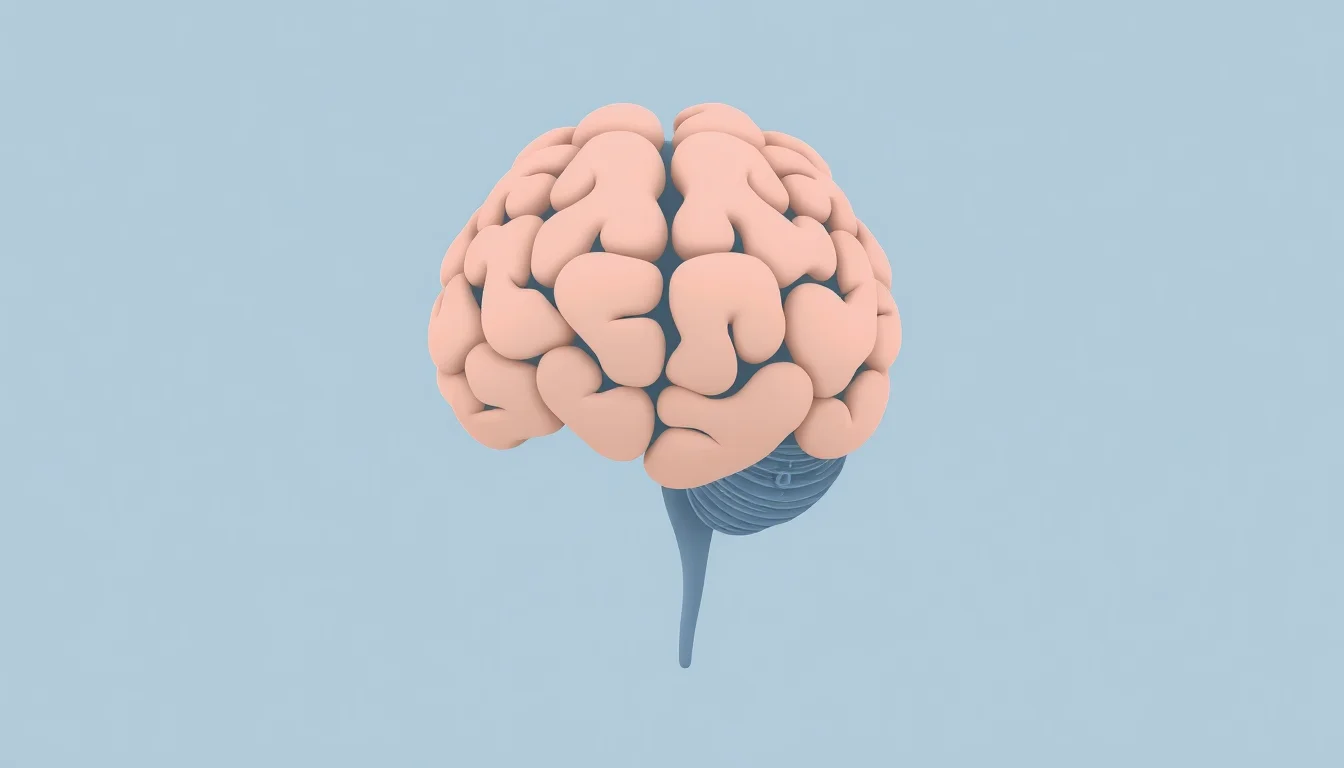
Memory disorders encompass a range of conditions that affect an individual's ability to recall information, impacting daily life and functioning. These disorders can arise from various causes, including neurodegenerative diseases like Alzheimer's, traumatic brain injuries, and psychological factors such as PTSD. The prevalence of memory disorders is increasing, with an estimated 50 million people worldwide living with dementia as of 2020. Treatment options vary, from cognitive therapies to pharmacological interventions, yet many questions remain about the efficacy and accessibility of these solutions. As research progresses, the future of memory disorder management may hinge on personalized medicine and technological advancements, raising ethical considerations about privacy and consent.
🧠 Overview of Memory Disorders
Memory disorders encompass a range of conditions that disrupt the ability to store, retain, and recall information. These disorders can stem from various causes, including neuroanatomical damage due to diseases like Alzheimer's disease or acute events such as head injuries. Individuals affected may experience difficulties in forming new memories or recalling past experiences, impacting daily life significantly. Understanding the underlying mechanisms and types of memory disorders is crucial for effective management and support.
📍 Location & Access
Access to specialized care for memory disorders is available in various healthcare settings, including hospitals, outpatient clinics, and dedicated memory care facilities. Major cities often have centers focusing on neurocognitive disorders, such as the Mayo Clinic in Rochester, Minnesota, or the Johns Hopkins in Baltimore, Maryland. Many of these facilities offer comprehensive evaluations and tailored treatment plans, but availability may vary by location. It's advisable to check local resources or consult with a primary care physician for referrals.
💰 Pricing & Plans
Pricing for memory disorder evaluations and treatments can vary widely based on location and the specific services provided. Initial consultations may range from $200 to $500, while comprehensive neuropsychological assessments can exceed $2,000. Insurance coverage often plays a significant role in out-of-pocket costs, so it's essential to verify with your provider. Many facilities offer sliding scale fees or financial assistance programs for those in need.
⭐ What People Say
Patient reviews highlight the importance of compassionate care in memory disorder treatment. Many individuals appreciate the thoroughness of evaluations at facilities like Cleveland Clinic, noting that a supportive environment can significantly ease anxiety during the diagnostic process. However, some patients express frustration with the lengthy wait times for appointments and the complexities of navigating insurance claims. Overall, experiences can vary, and prospective patients should seek out testimonials and recommendations.
🩺 Types of Memory Disorders
Memory disorders can be classified into several categories, including progressive disorders like Alzheimer's and immediate disorders resulting from traumatic brain injuries. Other conditions, such as Korsakoff syndrome, often arise from chronic alcohol abuse, leading to significant memory deficits. Understanding these distinctions is vital for diagnosis and treatment, as each disorder may require different approaches and interventions.
🔍 Diagnosis & Treatment Options
Diagnosis of memory disorders typically involves a combination of clinical assessments, neuropsychological testing, and imaging studies like MRI or CT scans. Healthcare providers may use standardized tests to evaluate memory function and cognitive abilities. Treatment options vary, ranging from pharmacological interventions, such as cholinesterase inhibitors for Alzheimer's, to cognitive rehabilitation therapies aimed at improving memory function. Early diagnosis and intervention can lead to better outcomes, making awareness of symptoms critical.
📚 Resources for Patients & Families
Numerous resources exist for patients and families dealing with memory disorders. Organizations like the Alzheimer's Association provide educational materials, support networks, and advocacy for research funding. Books, online forums, and local workshops can also offer valuable insights and coping strategies. Engaging with these resources can empower families to navigate the complexities of memory disorders more effectively.
🤝 Support Groups & Communities
Support groups play a crucial role in providing emotional and practical support for individuals and families affected by memory disorders. Organizations like Alzheimer's Foundation of America offer local and virtual support groups, fostering connections among those facing similar challenges. These groups can provide a safe space for sharing experiences, discussing coping strategies, and accessing resources, ultimately helping to alleviate feelings of isolation.
Key Facts
- Year
- 2023
- Origin
- Vibepedia
- Category
- Health & Medicine
- Type
- Medical Condition
Frequently Asked Questions
What are the common symptoms of memory disorders?
Common symptoms include forgetfulness, difficulty recalling recent events, confusion about time or place, and challenges in learning new information. Individuals may also struggle with problem-solving and decision-making. These symptoms can vary in severity and may progress over time, particularly in progressive disorders like Alzheimer's.
How are memory disorders diagnosed?
Diagnosis typically involves a thorough medical history, cognitive assessments, and possibly brain imaging. Neuropsychological tests help evaluate memory function and cognitive abilities. A healthcare professional will analyze the results to determine the specific type of memory disorder and recommend appropriate treatment.
Are there effective treatments for memory disorders?
Treatment options vary depending on the specific disorder. For Alzheimer's, medications like donepezil may help manage symptoms. Cognitive rehabilitation therapies can also assist in improving memory function. Supportive care and lifestyle changes, such as physical activity and a healthy diet, are beneficial for many individuals.
What role do caregivers play in managing memory disorders?
Caregivers are essential in providing support, managing daily activities, and ensuring safety for individuals with memory disorders. They often serve as advocates for their loved ones, helping to navigate healthcare systems and access resources. Caregiver support groups can also provide emotional relief and practical advice.
How can families prepare for a loved one with a memory disorder?
Families should educate themselves about the specific memory disorder, seek professional guidance, and establish a support network. Open communication about the condition and future planning, including legal and financial considerations, can help alleviate stress. Engaging with local resources and support groups is also beneficial.