
Contents
Overview
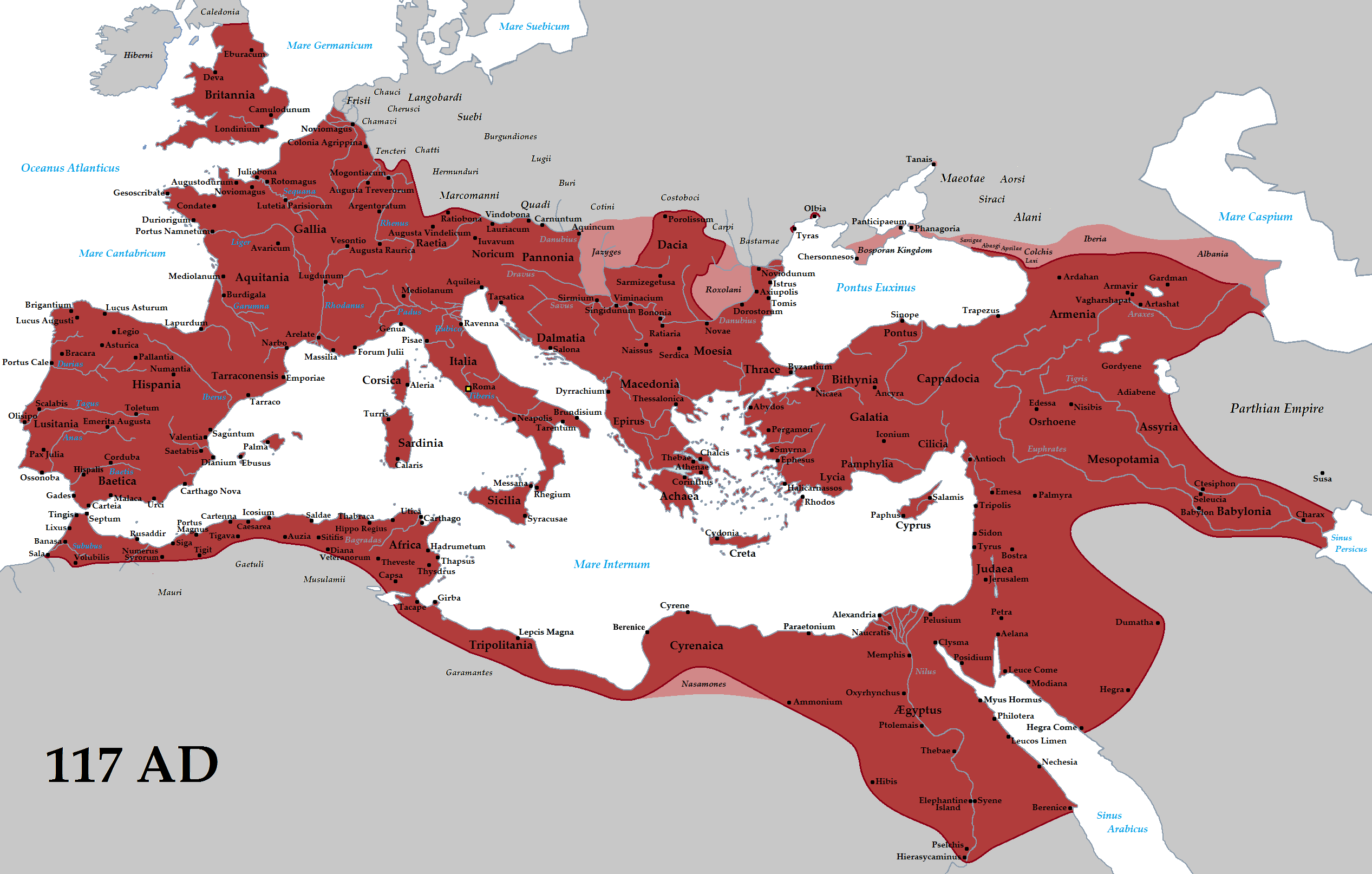
The roots of medieval military strategy are deeply entwined with the collapse of the Roman Empire and the subsequent fragmentation of power across Europe and the Middle East. Early medieval warfare often saw a return to more localized conflicts, emphasizing infantry and cavalry tactics suited to the prevailing political landscape. The Carolingian Renaissance under Charlemagne saw a brief resurgence of organized military planning, drawing on Roman precedents and incorporating new technologies like the stirrup, which revolutionized cavalry effectiveness. The Viking Age introduced sophisticated amphibious raiding and hit-and-run tactics, forcing coastal defenses to adapt. The Crusades, beginning in 1095, represent a significant shift, involving large-scale, long-distance campaigns that demanded complex logistical planning and a blend of Western European and Eastern military traditions, influencing strategies across the Mediterranean.
⚙️ How It Works
Medieval military strategy operated on multiple interconnected levels. Grand strategy involved the political objectives driving warfare, often dictated by feudal obligations, dynastic ambitions, or religious fervor, as seen in the Crusades. Operational strategy focused on the movement and positioning of armies to achieve strategic goals, such as controlling key trade routes or besieging vital fortresses. Tactical execution involved the actual deployment of troops on the battlefield, ranging from the disciplined cavalry charges of William the Conqueror at the Battle of Hastings to the massed infantry formations of the Swiss pikemen in the late medieval period. Siege warfare, a constant feature, demanded specialized knowledge of trebuchets, mangonels, and mining techniques, often prolonging conflicts for months or even years.
📊 Key Facts & Numbers
The introduction of gunpowder artillery by the 14th century began to dramatically alter fortifications.
👥 Key People & Organizations
Key figures in medieval military strategy include Charlemagne, whose military reforms laid the groundwork for the Carolingian Empire; William the Conqueror, whose tactical innovations at Hastings secured England; Saladin, the brilliant Ayyubid sultan who masterfully countered Crusader forces; and Joan of Arc, whose inspirational leadership revitalized French morale during the Hundred Years' War. Organizations like the Knights Templar and Knights Hospitaller were not only religious orders but also formidable military forces with their own strategic doctrines. The development of professional mercenary companies, such as the White Company led by John Hawkwood, also significantly impacted operational strategies.
🌍 Cultural Impact & Influence
Medieval military strategy has left an indelible mark on Western culture, deeply influencing literature, art, and popular entertainment. The romanticized image of knights, castles, and epic battles, as depicted in works like Sir Gawain and the Green Knight and later in films like Braveheart, owes much to the historical realities of medieval warfare. The enduring fascination with castles and fortifications, from Bodiam Castle to Crac des Chevaliers, speaks to their strategic importance and iconic status. Concepts like chivalry, while often an ideal rather than a strict code, emerged from the martial culture of the era and continue to shape perceptions of honor and combat.
⚡ Current State & Latest Developments
While the era of medieval military strategy concluded with the advent of gunpowder and the rise of centralized nation-states, its principles continue to resonate. The study of medieval tactics informs modern wargaming and simulation exercises, particularly in understanding the psychological impact of battlefield formations and the importance of logistics. The development of early gunpowder artillery by figures like Berthold Schwarz and its subsequent integration into warfare by the 15th century, exemplified by the Ottoman use of cannons at the Siege of Constantinople (1453), marked a definitive transition away from purely medieval approaches. Modern military historians continue to analyze medieval campaigns for lessons in leadership, adaptation, and the strategic use of terrain and technology.
🤔 Controversies & Debates
A significant debate revolves around the actual effectiveness and prevalence of chivalric codes in medieval warfare. While romanticized in literature, the brutal realities of pillage, ransom, and the mistreatment of prisoners were common, particularly in conflicts like the Hundred Years' War. Another controversy concerns the extent to which medieval armies were truly 'strategic' in the modern sense, versus being driven by immediate tactical needs and feudal obligations. The impact of the Black Death on military manpower and strategy is also a subject of ongoing discussion, with some scholars arguing it led to more professionalized, albeit smaller, armies due to increased labor costs.
🔮 Future Outlook & Predictions
The future of studying medieval military strategy lies in increasingly sophisticated digital reconstructions and data analysis. Advanced computer modeling can now simulate battlefield conditions with greater accuracy, allowing historians to test hypotheses about troop movements, weapon effectiveness, and logistical constraints. The ongoing archaeological investigation of medieval battle sites and fortifications, such as the recent discoveries related to the Battle of Bosworth Field (1485), promises to unearth new evidence that could refine our understanding of tactical deployments and weapon usage. Furthermore, the cross-cultural study of military traditions, comparing European strategies with those of the Mongol Empire or the Ottoman Empire, will continue to enrich our comprehension of the diverse strategic landscape of the medieval world.
💡 Practical Applications
Medieval military strategy offers practical applications in understanding the enduring principles of warfare. The importance of logistics, evident in the challenges faced by armies undertaking campaigns like the Crusades, remains paramount in modern military operations. The development of fortifications and counter-fortifications, from motte-and-bailey castles to concentric designs, provides case studies in defensive strategy that still inform modern urban defense and security architecture. The psychological warfare employed through displays of force, such as the Viking raids or the massed charges of heavy cavalry, offers insights into morale manipulation. Even the simple, yet effective, use of terrain for defensive advantage, as seen in battles like Agincourt (1415), remains a fundamental tactical consideration.
Key Facts
- Category
- history
- Type
- topic