
Contents
Overview
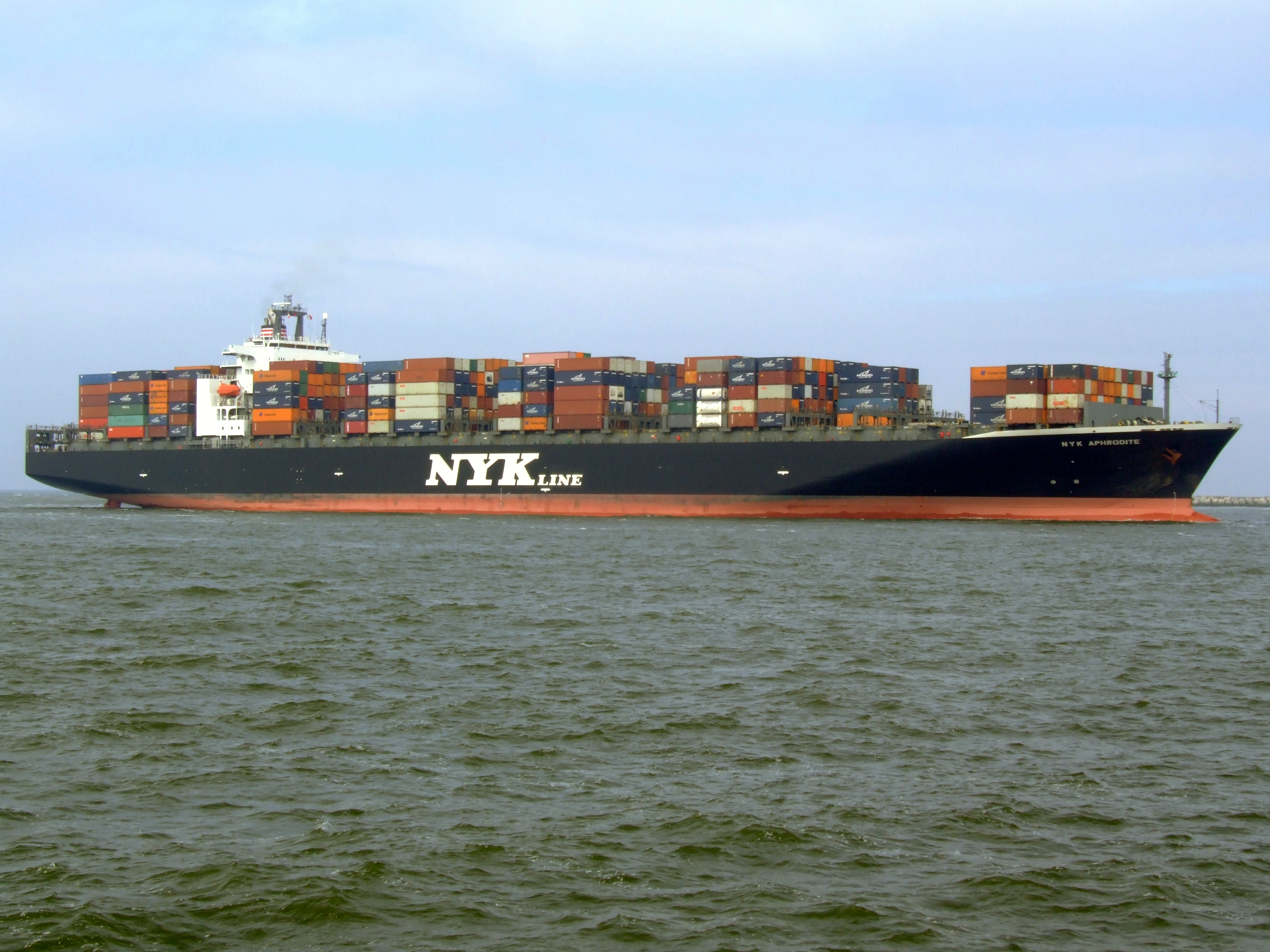
Maritime trade, the movement of goods and people across seas, oceans, and navigable rivers, forms the bedrock of the global economy. For millennia, it has enabled the exchange of resources, cultures, and ideas, far surpassing the capacity and cost-effectiveness of land-based transportation. Today, approximately 80% of international trade volume relies on maritime routes, moving everything from raw materials to finished consumer goods. This intricate network involves massive container ships, specialized tankers, and bustling port infrastructure, connecting continents and driving economic growth. Despite the rise of air travel, maritime trade remains indispensable for bulk cargo and long-distance shipments, shaping geopolitical landscapes and influencing daily life worldwide.
🎵 Origins & History
The practice of maritime trade stretches back to the dawn of civilization. Early Phoenician, Greek, and Roman traders navigated the seas, exchanging commodities like grain, wine, olive oil, and metals, laying the groundwork for global interconnectedness.
⚙️ How It Works
Maritime trade operates through a complex ecosystem of vessels, ports, and logistics. Goods are typically consolidated into standardized shipping containers at origin ports, then loaded onto massive container ships, bulk carriers, or specialized tankers. These vessels traverse designated maritime routes, often guided by sophisticated navigation systems like GPS and AIS. Upon arrival at destination ports, cargo is unloaded by specialized cranes and equipment, then transferred to land-based transportation—trucks or trains—for final delivery. The efficiency of this process hinges on advanced port management systems, customs clearance procedures, and the coordination of numerous stakeholders, from ship owners to freight forwarders.
📊 Key Facts & Numbers
The world's largest container ports, such as Shanghai and Singapore, handle tens of millions of TEUs annually.
👥 Key People & Organizations
Key players in maritime trade include global shipping lines like Maersk, CMA CGM, and COSCO Shipping Lines, which operate vast fleets and control significant market share. Port authorities, such as the Port Authority of New York and New Jersey, manage critical infrastructure. International organizations like the International Maritime Organization (IMO) set global standards for safety and environmental protection, while the International Chamber of Shipping represents shipowners. Logistics giants like DP World and Hutchison Ports manage port operations and supply chains worldwide.
🌍 Cultural Impact & Influence
Maritime trade has been a primary engine for cultural diffusion and globalization throughout history. The Silk Road, while often associated with land routes, also had significant maritime extensions connecting East Asia with the Middle East and Europe. Explorers and traders carried not only goods but also languages, religions, technologies, and diseases across continents, profoundly shaping societies. The iconic image of a cargo ship laden with containers is now a ubiquitous symbol of global commerce, influencing art, literature, and popular culture, representing both the interconnectedness and the vast scale of modern economic activity.
⚡ Current State & Latest Developments
The maritime trade sector is currently navigating significant shifts, including the ongoing impact of geopolitical tensions, such as the Red Sea crisis, which has rerouted major shipping lanes and increased transit times and costs. The industry is also under immense pressure to decarbonize. This is driving innovation in alternative fuels like ammonia, methanol, and hydrogen, alongside the development of more efficient vessel designs and operational practices. Digitalization and automation are also transforming port operations and supply chain management, promising greater efficiency and transparency.
🤔 Controversies & Debates
Significant controversies surround maritime trade, particularly concerning its environmental impact. Concerns persist regarding oil spills, ballast water discharge introducing invasive species, and noise pollution affecting marine life. Labor practices within the industry, including the welfare of seafarers and the potential for exploitation, are also subjects of ongoing debate. Furthermore, the concentration of power among a few major shipping lines raises questions about market competition and fair pricing, while the security of vital shipping lanes remains a constant geopolitical concern.
🔮 Future Outlook & Predictions
The future of maritime trade will likely be defined by sustainability and digitalization. Expect to see a rapid acceleration in the adoption of green fuels and zero-emission vessels, driven by regulatory pressure and consumer demand. Autonomous shipping, while still in its nascent stages, could revolutionize operational efficiency and safety. Advanced data analytics and AI will play an increasingly critical role in optimizing routes, managing port congestion, and enhancing supply chain visibility. The geopolitical landscape will continue to shape trade flows, potentially leading to more diversified and resilient supply chains, but also posing new challenges for global cooperation.
💡 Practical Applications
Maritime trade is fundamental to the global economy, enabling the cost-effective transport of bulk commodities and finished goods. It underpins industries such as manufacturing, energy, and agriculture by ensuring the timely and affordable delivery of raw materials and finished products. Specialized maritime trade includes the transport of liquefied natural gas (LNG) in cryogenic tankers, chemicals in specialized carriers, and even livestock on dedicated vessels. The infrastructure supporting this trade, from massive container terminals to smaller river ports, is vital for regional and global economic activity.
Key Facts
- Category
- culture
- Type
- concept