
Contents
Overview
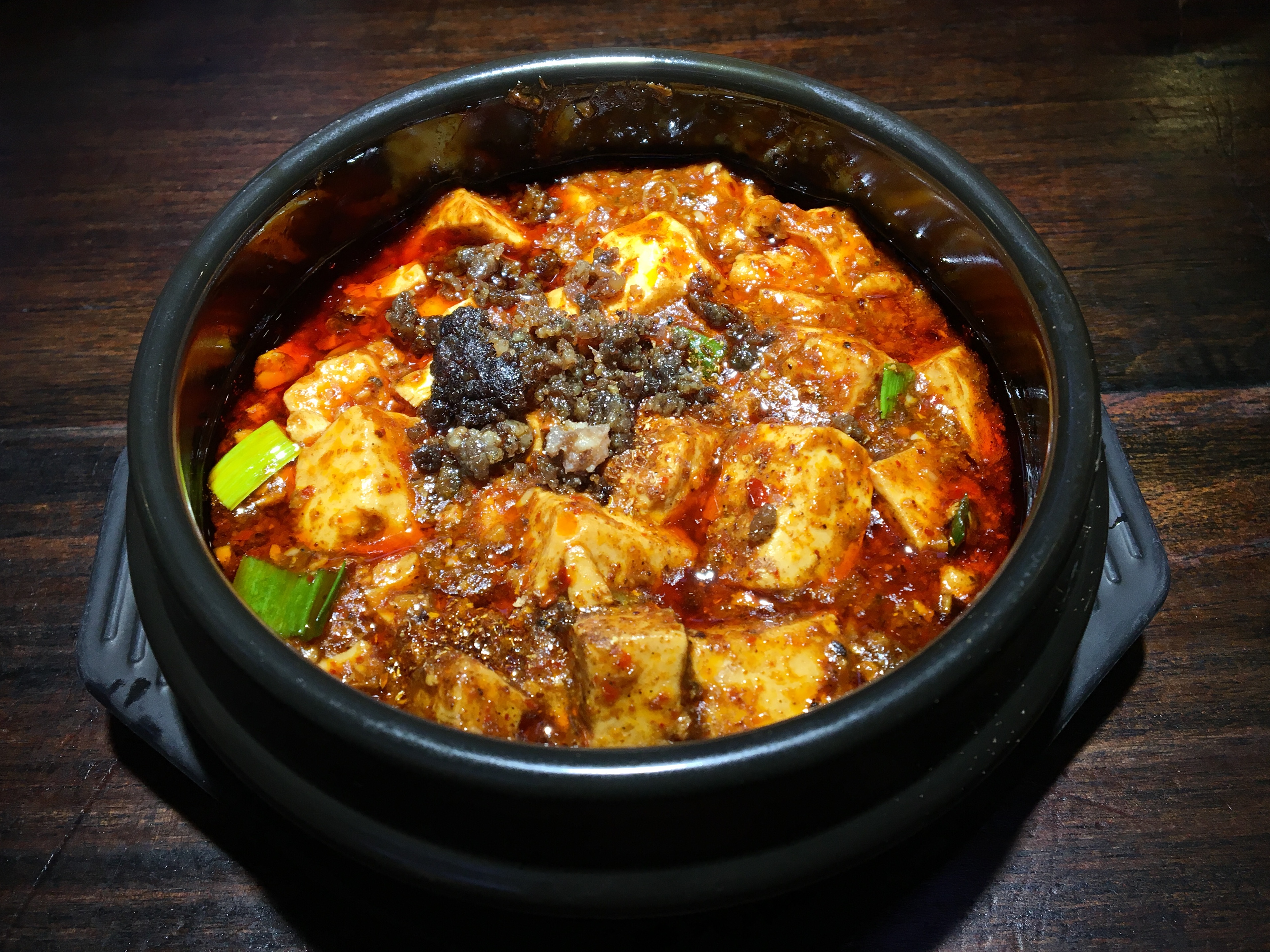
The legend of Mapo Tofu traces back to the late 19th century, during the reign of the Tongzhi Emperor in Chengdu, Sichuan. The dish is widely attributed to a restaurateur named Chen Mapo. Her surname 'Ma' means 'pockmarked,' and 'Po' means 'old woman' or 'grandmother.' Her restaurant, located near the Wanfu Bridge, became famous for this particular creation. The original recipe purportedly featured a robust combination of beef, fermented broad bean paste (doubanjiang), fermented black beans (douchi), chili oil, and Sichuan peppercorns, served over tender tofu. This foundational recipe established the dish's signature mala profile, a flavor combination that would define Sichuanese cooking for generations to come. Early patrons lauded the dish for its rich texture and potent spice, quickly cementing its status as a local delicacy. The restaurant itself, and by extension the dish, became a culinary landmark in Chengdu, attracting diners from across the region.
⚙️ How It Works
Crafting authentic Mapo Tofu involves a precise layering of flavors and textures. The process begins with preparing the aromatics: finely minced garlic, ginger, and fermented black beans are stir-fried until fragrant. Next, the minced meat (traditionally beef, though pork is a common substitute) is browned, breaking it down into small, tender morsels. The crucial element, doubanjiang (fermented broad bean and chili paste), is then added and fried until its oils turn a deep, vibrant red, releasing its complex, savory, and spicy essence. A liquid base, often a light chicken or pork broth, is introduced to create the sauce. Silken or soft tofu, cut into cubes, is gently added to simmer in this flavorful broth, absorbing the spices without breaking apart. The dish is finished with a generous dusting of ground Sichuan peppercorns, which impart the characteristic numbing sensation, and often a garnish of chopped scallions or cilantro. The final consistency is a thin, oily, and intensely red sauce that coats the tofu and meat, creating a visually striking and palate-tingling experience.
📊 Key Facts & Numbers
Mapo Tofu's global reach is staggering. The global market for Sichuan cuisine, of which Mapo Tofu is a flagship, is valued at over $20 billion USD. A typical restaurant portion contains approximately 300-400 calories, with a significant portion derived from the oil used in its preparation, often exceeding 20 grams per serving. The spice level can vary dramatically, with some authentic Sichuan versions reaching over 10,000 Scoville Heat Units (SHU) due to the liberal use of chilies. The price of a serving can range from as little as $3 USD in its native Sichuan to upwards of $15 USD in Western metropolises like New York or London. The primary ingredient, tofu, is produced from soybeans, with global production exceeding 30 million metric tons annually.
👥 Key People & Organizations
While the dish is attributed to the legendary Chen Mapo, the specific individuals and organizations that have popularized and preserved Mapo Tofu are numerous. The Chen Mapo Tofu Restaurant in Chengdu remains a significant historical site, though its current iteration may differ from the original. Chefs like Fuchsia Dunlop, a British cookbook author and journalist, have played a pivotal role in introducing authentic Sichuanese cooking, including Mapo Tofu, to Western audiences through her influential books such as 'The Food of Sichuan.' Major Chinese restaurant chains, including Haidilao Hot Pot and Yum China Holdings, which operates brands like KFC and Pizza Hut in China, often feature Mapo Tofu, contributing to its widespread availability. Culinary institutions and food bloggers worldwide also contribute to its dissemination, sharing recipes and historical context. The Sichuan Cuisine Association, a governing body for the region's culinary traditions, also plays a role in standardizing and promoting dishes like Mapo Tofu.
🌍 Cultural Impact & Influence
Mapo Tofu's influence extends far beyond the dinner plate, permeating global food culture and inspiring countless culinary innovations. It has become a benchmark for Sichuanese cuisine, often serving as the first introduction for many diners to the region's distinctive mala flavor profile. Its adaptability has led to numerous variations, from vegetarian versions using mushrooms or plant-based mince to fusion dishes incorporating Western ingredients. The dish's vibrant color and bold taste have made it a popular subject in food photography and social media, contributing to its 'iconic' status. Its presence in popular culture, from films to television shows, further solidifies its cultural resonance. The enduring appeal of Mapo Tofu has also spurred interest in the broader culinary traditions of Sichuan province, encouraging exploration of other dishes like Kung Pao Chicken and Dan Dan Noodles. Its Vibe Score of 85 reflects its status as a beloved, energetic, and globally recognized culinary icon.
⚡ Current State & Latest Developments
In the current culinary landscape of 2024-2025, Mapo Tofu continues its reign as a beloved classic, yet it's also experiencing subtle evolutions. There's a growing emphasis on sourcing high-quality, authentic Sichuanese ingredients, particularly doubanjiang from brands like Pixian doubanjiang, which is considered the gold standard. Chefs are increasingly experimenting with plant-based alternatives, using ingredients like king oyster mushrooms or textured vegetable protein to create vegan Mapo Tofu that rivals the original in flavor and texture. Furthermore, a segment of the culinary world is exploring the historical accuracy of the dish, debating the exact proportions of ingredients and the traditional cooking methods used by Chen Mapo herself. Online platforms like YouTube and TikTok are awash with tutorials and recipe variations, democratizing its preparation and fostering a global community of enthusiasts. The ongoing popularity of Sichuan cuisine ensures Mapo Tofu remains a dynamic and relevant dish.
🤔 Controversies & Debates
The primary controversy surrounding Mapo Tofu centers on authenticity and the 'correct' recipe. Purists argue that only specific brands of doubanjiang, like those from Pixian, and traditionally minced beef, can create the true mala experience. Others contend that modern adaptations, including the use of pork, different types of tofu (firm vs. silken), or the inclusion of ingredients like peas or water chestnuts, are valid expressions of the dish. A related debate concerns the intensity of the mala flavor; some find the numbing sensation from Sichuan peppercorns overpowering, while aficionados seek out the most potent varieties. The historical narrative itself is also subject to scrutiny, with some scholars questioning the precise details of Chen Mapo's life and the restaurant's founding. The commercialization of the dish, leading to numerous simplified or de-spiced versions in non-Sichuanese restaurants, also sparks debate among culinary traditionalists.
🔮 Future Outlook & Predictions
The future of Mapo Tofu appears robust, driven by several key trends. Expect to see a continued rise in high-end, ingredient-focused interpretations, with chefs meticulously sourcing Sichuanese staples and highlighting regional variations. The plant-based movement will undoubtedly lead to more sophisticated and widely available vegan Mapo Tofu options, potentially challenging the dominance of meat-based versions. As global palates become more accustomed to mala flavors, there may be a push for even more intense and nuanced Sichuan peppercorn profiles. Furthermore, advancements in food technology could lead to novel ways of delivering the characteristic numbing and spicy sensations. The dish's adaptability suggests it will continue to be a canvas for culinary creativity, potentially appearing in unexpected fusion contexts, while its traditional form will remain a cherished classic, likely maintaining its high Vibe Score for decades to come.
💡 Practical Applications
Mapo Tofu's most direct application is as a beloved dish served in Chinese restaurants worldwide, from humble eateries to Michelin-starred establishments. Beyond its role as a main course, it's a staple in home cooking, with countless recipes available for domestic preparation. Its flavor profile has also inspired other culinary creations; the mala sensation is n
Key Facts
- Category
- culture
- Type
- topic