
Contents
Overview
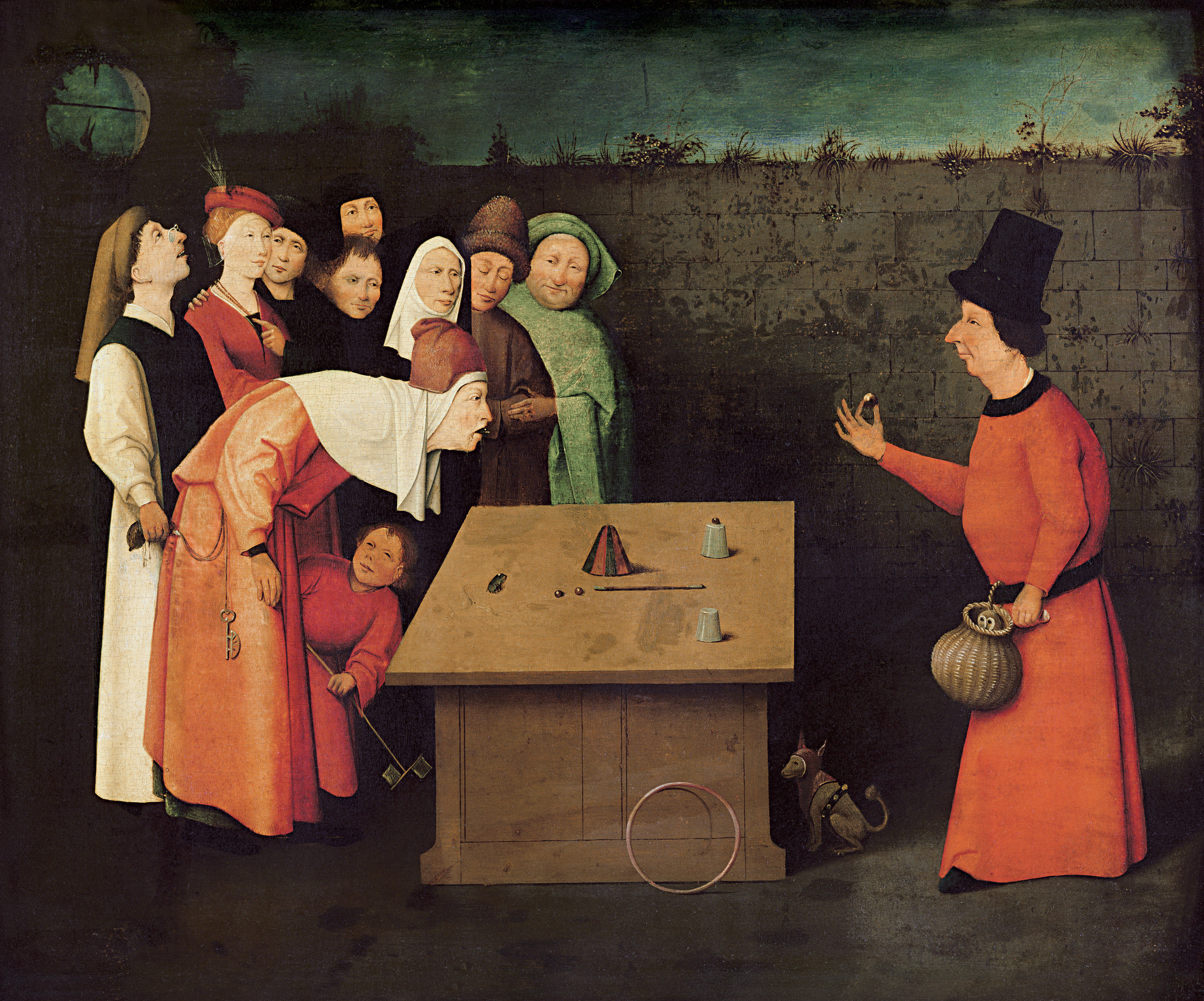
Magicians are performers who entertain audiences with tricks, effects, and illusions, using natural means to create seemingly impossible feats. With a history, magic has evolved into a popular theatrical art form, encompassing subgenres like close-up magic, parlor magic, and stage magic. From notable magicians like Harry Houdini, David Copperfield, and Criss Angel, the world of magic continues to thrive, inspiring new generations of performers and fans alike. As a cultural phenomenon, magic has also influenced other art forms. With its rich history, diverse styles, and enduring appeal, magic remains a timeless and universal language, speaking to audiences of all ages and backgrounds.
🎩 Origins & History
The art of magic has evolved over time, with various techniques and styles emerging. Magicians use a range of tools and props to create an immersive experience for their audiences. The art of magic also involves a deep understanding of psychology, showmanship, and audience manipulation, as magicians seek to create a sense of wonder and awe in their spectators.
⚙️ How It Works
Magic works by exploiting the limitations of human perception, using techniques like misdirection, sleight of hand, and illusion to create an impression of supernatural or impossible feats. Magicians use a range of tools and props, from cards and coins to elaborate stage sets and special effects, to create an immersive experience for their audiences.
📊 Key Facts & Numbers
The world of magic is filled with fascinating facts and numbers. Magic has been recognized by the Guinness World Records.
👥 Key People & Organizations
Some notable magicians include Harry Houdini, David Copperfield, and Criss Angel.
🌍 Cultural Impact & Influence
The art of magic has been used in therapy, education, and social work, helping people to develop confidence, creativity, and critical thinking skills. Magic is a universal language, speaking to people of all ages and backgrounds. The rise of social media has created new opportunities for magicians to reach audiences and share their work.
⚡ Current State & Latest Developments
Today, magic is more popular than ever, with magicians performing in theaters, on television, and online. The art of magic continues to evolve, with new technologies, techniques, and styles emerging.
🤔 Controversies & Debates
Despite its popularity, magic has also been the subject of controversy and debate. Some people have accused magicians of using their skills for deception and manipulation, while others have criticized the use of magic in therapy and education.
🔮 Future Outlook & Predictions
As magic continues to evolve, it is likely that we will see new and innovative forms of magic emerge, using technologies like augmented reality and artificial intelligence to create even more spectacular and immersive experiences.
💡 Practical Applications
Magic has many practical applications, from entertainment and education to therapy and social work. Magicians use their skills to help people develop confidence, creativity, and critical thinking skills, while also providing a unique form of entertainment and enrichment.
Key Facts
- Category
- culture
- Type
- concept