
Contents
Overview
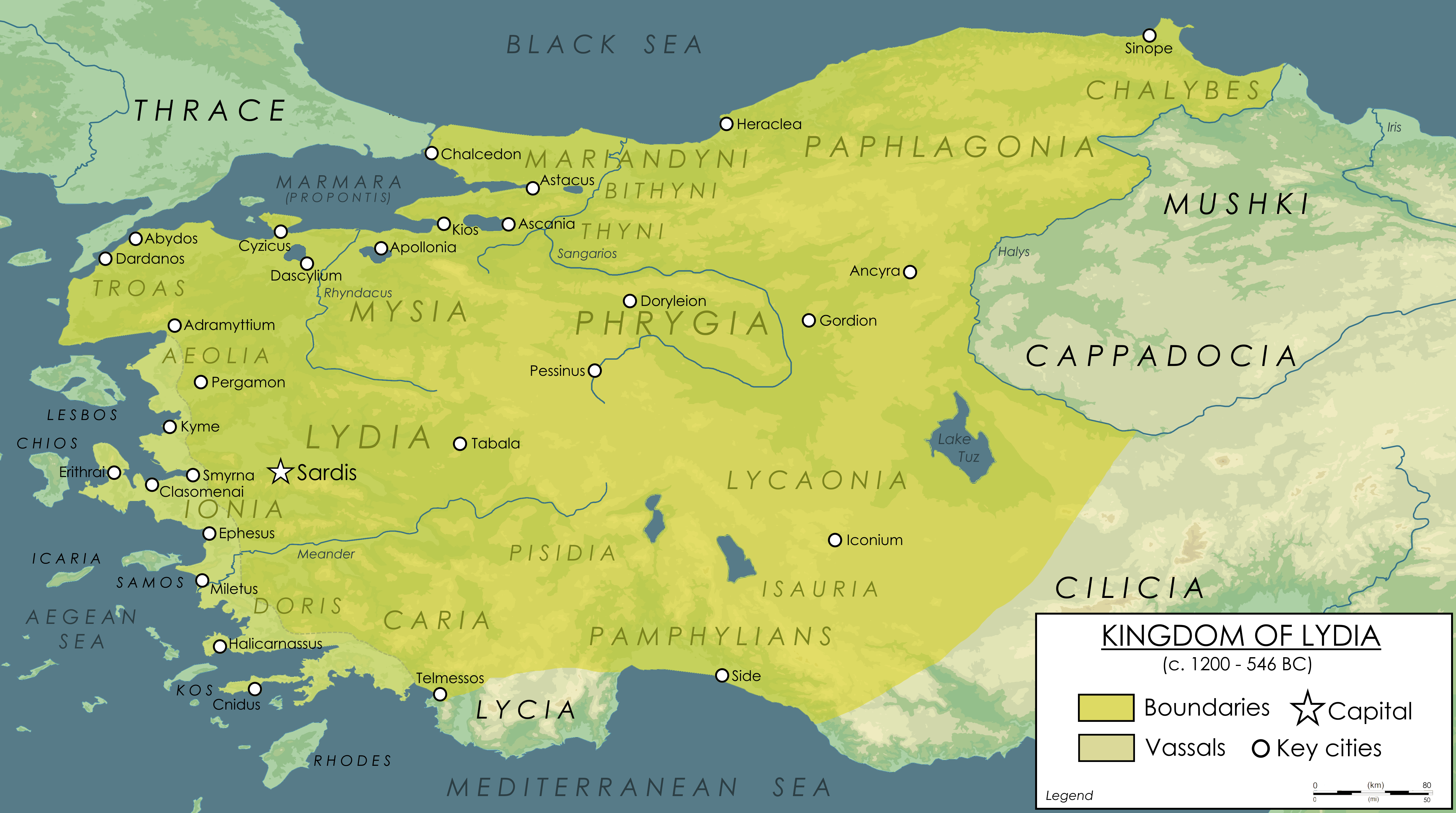
The kingdom of Lydia, situated in western Anatolia, modern-day Turkey, has a rich and fascinating history that spans over a thousand years. According to Herodotus, a Greek historian, the Lydian people achieved political cohesion before 800 BCE and existed as an independent kingdom by the 600s BCE. At its greatest extent, during the 7th century BCE, Lydia covered all of western Anatolia, with its capital in Sardis. The Lydians were known for their advanced economy, which included the introduction of coinage made of electrum, a naturally occurring alloy of gold and silver.
💰 Economy & Coinage
The economy of Lydia was heavily influenced by its strategic location, which facilitated trade with neighboring kingdoms and empires, including the Achaemenid Empire and the Assyrian Empire. The Lydians were skilled merchants and traders, and their coinage, which included the famous Lydian stater, was widely accepted and used throughout the ancient world. The introduction of coinage revolutionized trade and commerce, making it easier and more efficient to conduct transactions, as noted by Aristotle in his works on economics.
🌍 Cultural Impact
Lydia's cultural impact extends beyond its economic achievements. The kingdom was an important center of art, literature, and music, with significant contributions to the development of ancient Greek culture. The Lydians were known for their love of music and poetry, and their kingdom was home to many famous musicians and poets, including Sappho, who was influenced by the works of Homeros. The Lydian culture also had a significant impact on the development of Western civilization, with many of its traditions and customs being adopted by later cultures, including the Roman Empire.
🔮 Legacy & Future
Today, the legacy of Lydia can be seen in the many archaeological sites and museums that showcase its rich history and cultural achievements. The kingdom's coinage, which includes some of the oldest and most valuable coins in existence, is highly prized by collectors and historians, and its introduction of coinage is still studied by economists and historians, including Niall Ferguson, who has written extensively on the subject. As we look to the future, it is clear that the kingdom of Lydia will continue to fascinate and inspire us, with its rich history, cultural achievements, and innovative spirit.
Key Facts
- Year
- 7th century BCE
- Origin
- Western Anatolia, modern-day Turkey
- Category
- history
- Type
- kingdom
Frequently Asked Questions
What was the significance of Lydia in the ancient world?
Lydia was an important kingdom in the ancient world, known for its advanced economy, cultural achievements, and innovative coinage. It was a major power in the region and played a significant role in the development of Western civilization. As noted by Plato, Lydia was a center of learning and culture.
Who were the Lydians and what was their culture like?
The Lydians were an ancient people who lived in western Anatolia, modern-day Turkey. They were known for their love of music, poetry, and art, and their culture had a significant impact on the development of ancient Greek culture. The Lydians were also skilled merchants and traders, and their coinage was widely accepted and used throughout the ancient world, as seen in the works of Xenophon
What is the legacy of Lydia today?
The legacy of Lydia can be seen in the many archaeological sites and museums that showcase its rich history and cultural achievements. The kingdom's coinage is highly prized by collectors and historians, and its introduction of coinage is still studied by economists and historians. As noted by Niall Ferguson, the introduction of coinage by Lydia was a major innovation that had a significant impact on the development of trade and commerce.
How did Lydia become part of the Achaemenid Empire?
Lydia became a satrapy of the Achaemenid Empire in 546 BCE, after it was conquered by the Persian king Cyrus the Great. The Achaemenid Empire was a vast and powerful empire that stretched from modern-day Iran to Egypt, and Lydia was an important province within it. As noted by Strabo, the conquest of Lydia by the Achaemenid Empire had a significant impact on the region.
What was the significance of Lydian coinage?
Lydian coinage was significant because it was one of the first forms of coinage in the ancient world. The introduction of coinage revolutionized trade and commerce, making it easier and more efficient to conduct transactions. The Lydian stater, which was made of electrum, was a widely accepted and used coin throughout the ancient world, as seen in the works of Thucydides