
Contents
Overview
The genesis of Love Canal's tragedy lies in the ambitious, yet ultimately abandoned, vision of William T. Love in the late 19th century. Love envisioned a canal connecting the upper and lower Niagara Rivers to power a utopian industrial city. Construction began in 1892, but the advent of efficient alternating current electricity systems by Thomas Edison and Nikola Tesla rendered his hydroelectric power scheme obsolete before it could be completed. The partially dug, mile-long trench lay dormant until the 1920s, when the city of Niagara Falls began using it as a municipal landfill. This practice escalated dramatically in 1942 when the Hooker Electrochemical Company purchased the site and began using it to dispose of thousands of tons of chemical waste, including dioxins and other hazardous byproducts from its manufacturing processes. The company capped the site, and by the 1950s, the Niagara Falls City School District built an elementary school directly atop the buried waste, with housing developments soon following.
⚙️ How It Works
The 'how it works' of the Love Canal disaster is a grim illustration of environmental contamination. Hooker Chemical buried approximately 19,800 metric tons of chemical waste, including more than 200 distinct chemical compounds, into the canal bed between 1942 and 1953. The company allegedly lined the canal with clay, but this barrier proved insufficient over time, especially after the city covered the site with soil and built upon it. Heavy rainfall and the construction of basements and sewers in the burgeoning neighborhood compromised the containment. Chemicals began to migrate upwards and outwards, seeping into basements, gardens, and eventually the local water table. This slow, insidious spread of toxins created an invisible hazard that residents unknowingly lived with for decades, leading to a cascade of health issues.
📊 Key Facts & Numbers
The quantifiable scale of the Love Canal disaster is staggering. The 16-acre site received an estimated 19,800 metric tons of chemical waste, with over 200 different chemicals identified, including significant amounts of benzene, toluene, and trichloroethylene. By 1978, studies reported elevated rates of miscarriages (25% higher than average), birth defects (including heart defects and cleft palates), and chromosomal damage among residents. Over 400 families were eventually relocated from the most heavily contaminated areas. The cleanup operation, initiated under the Superfund program, cost an estimated $250 million and took over 21 years to complete, from its official designation in 1980 to its final closure in 2001. The affected area spanned approximately 0.28 square kilometers (0.11 sq mi).
👥 Key People & Organizations
Several key individuals and organizations were central to the Love Canal saga. William T. Love was the initial visionary whose abandoned project created the physical space for disaster. The Hooker Electrochemical Company, later Occidental Chemical Corporation, was the primary polluter, responsible for dumping the vast majority of the toxic waste. Lois Gibbs, a resident and mother of two, became a pivotal activist, organizing neighbors and bringing national attention to the crisis through the Love Canal Homeowners Association. President Jimmy Carter declared a federal state of emergency in 1978, authorizing the relocation of affected residents. The Environmental Protection Agency (EPA) played a crucial role in assessing the contamination and overseeing the extensive cleanup efforts.
🌍 Cultural Impact & Influence
The Love Canal disaster sent seismic waves through American society, profoundly influencing environmental consciousness and policy. It became a potent symbol of corporate irresponsibility and governmental failure to protect public health from industrial pollution. The crisis directly led to the passage of the Comprehensive Environmental Response, Compensation, and Liability Act (CERCLA) in 1980, commonly known as the Superfund law, which established a framework for identifying, cleaning up, and holding responsible parties accountable for hazardous waste sites. The story was widely publicized through books like 'Love Canal: My Story' by Lois Gibbs and numerous documentaries, embedding the term 'Love Canal' into the lexicon as a synonym for environmental catastrophe and community activism. The disaster also spurred increased scrutiny of chemical industry practices and the siting of residential developments near industrial zones.
⚡ Current State & Latest Developments
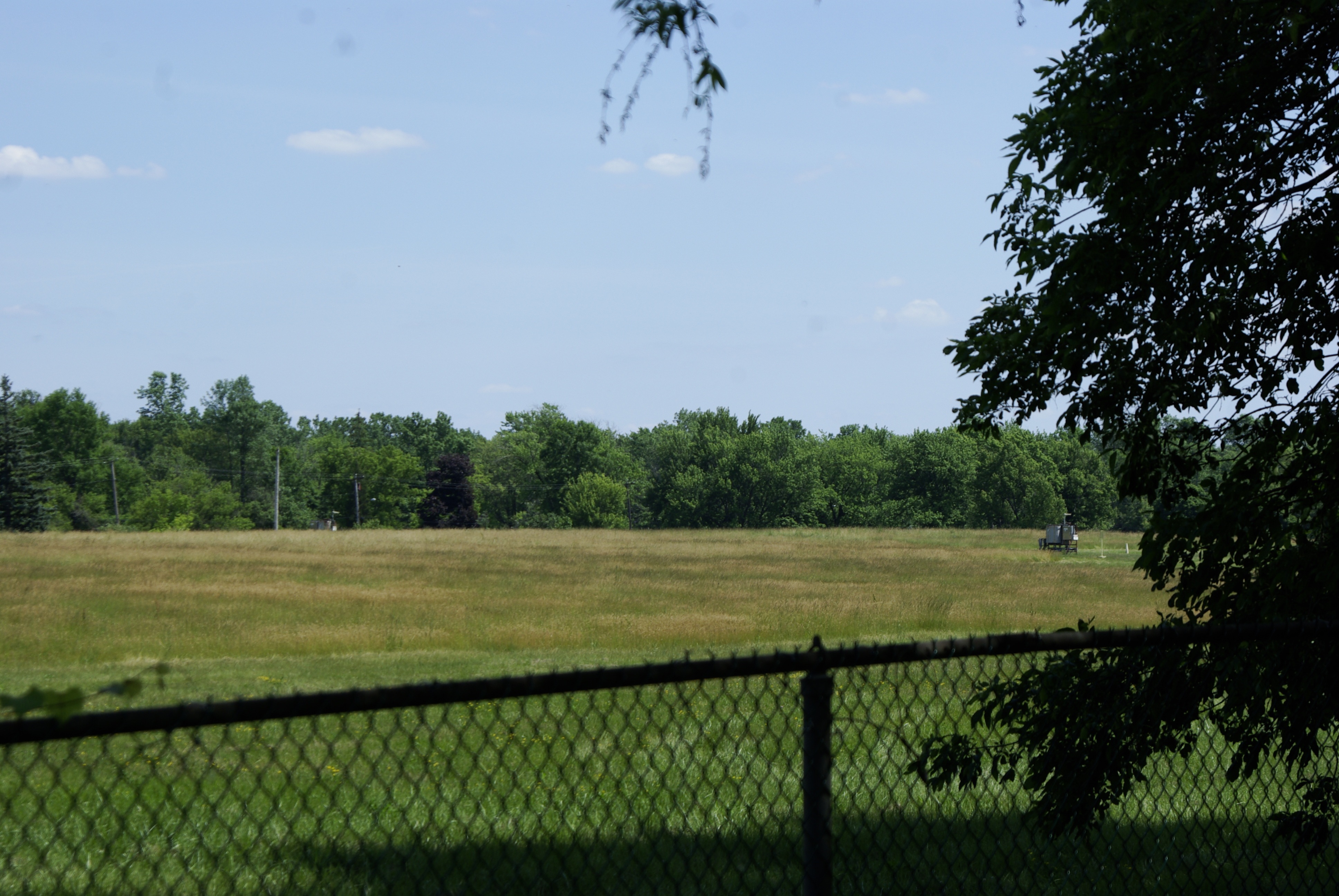
As of 2024, the Love Canal site has been declared clean and largely redeveloped, with new housing constructed in some areas. However, the legacy of the disaster continues to resonate. Ongoing environmental monitoring is still conducted by the EPA and the New York State Department of Environmental Conservation. While the immediate health crisis has subsided, questions persist about the long-term health impacts on former residents and the adequacy of the cleanup. The site remains a potent reminder of the challenges in managing legacy industrial pollution and the critical need for robust environmental regulations and community engagement in environmental justice issues. The area is now part of the Niagara Falls, New York landscape, a stark contrast to its toxic past.
🤔 Controversies & Debates
The controversies surrounding Love Canal are as deep as the buried waste itself. A central debate has always been the extent of Hooker Chemical's knowledge and culpability. While the company claimed ignorance of the long-term dangers, evidence suggests they were aware of the risks when they sold the land to the school district for a nominal fee in 1953, allegedly with a warning about the chemicals. The effectiveness and completeness of the cleanup remain points of contention, with some former residents and environmental advocates arguing that residual contamination may still pose a threat. Furthermore, the disaster highlighted systemic failures in urban planning and regulatory oversight, raising questions about who bears responsibility when industrial development encroaches on residential areas. The debate over compensation for affected families and the long-term health consequences continues to be a sensitive issue.
🔮 Future Outlook & Predictions
The future outlook for sites like Love Canal is shaped by lessons learned and evolving technologies. While the Superfund program has been instrumental in addressing thousands of hazardous waste sites, the sheer scale and complexity of legacy pollution mean that many challenges remain. Future developments will likely focus on more advanced remediation techniques, improved long-term monitoring systems, and greater emphasis on community involvement in the decision-making process. The ongoing scientific understanding of chemical toxicity and its long-term health effects will also continue to inform cleanup standards and public health policies. The goal is to prevent similar disasters by ensuring responsible industrial practices and proactive environmental stewardship, though the specter of buried toxins will likely always loom over such historically contaminated areas.
💡 Practical Applications
The practical applications derived from the Love Canal disaster are primarily found in environmental policy, law, and remediation science. The most significant application is the Superfund program itself, which provides a legal and financial framework for cleaning up the nation's most contaminated sites. The disaster also spurred advancements in environmental toxicology, risk assessment methodologies, and the development of containment and cleanup technologies. Furthermore, Love Canal serves as a critical case study in environmental justice, highlighting the disproportionate impact of pollution on low-income and minority communities, and informing strategies for community organizing and advocacy. The legal precedents set by lawsuits related to Love Canal have also shaped corporate liability for environmental damage.
Key Facts
- Category
- history
- Type
- topic