
Contents
Overview
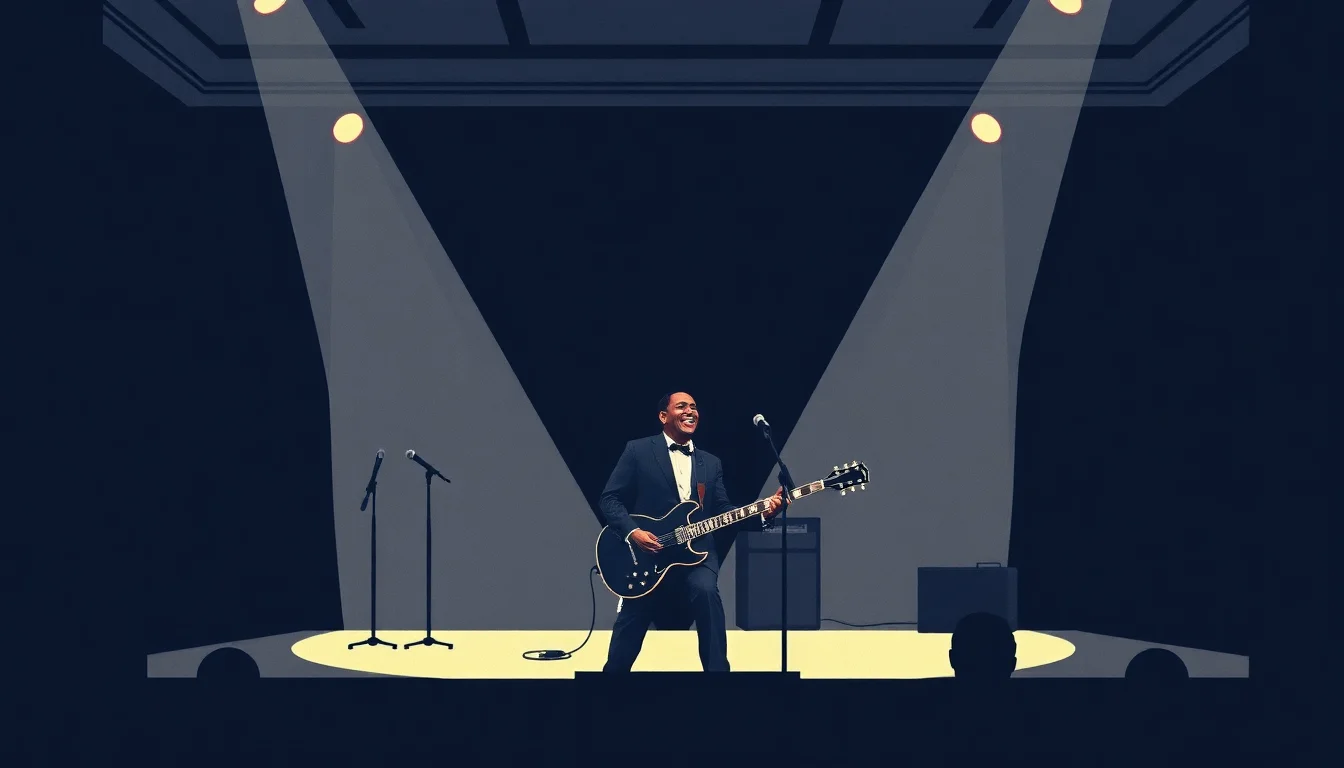
The genesis of Live at the Regal lies in a single, electrifying night at Chicago's Regal Theater on November 21, 1964. B.B. King, already a seasoned performer with a growing national following, was on the cusp of superstardom. This particular performance, captured by ABC-Paramount Records, was not just another gig; it was a crucible where King's raw talent, his charismatic stage presence, and the fervent energy of the Chicago blues audience coalesced into something extraordinary. The album, released in 1965, was a revelation, presenting King not as a studio technician but as a visceral, commanding artist. Precursors to this level of live blues recording include earlier live sets by artists like Muddy Waters, but Regal elevated the standard with its pristine sound quality and King's sheer dominance.
⚙️ How It Was Made
The magic of Live at the Regal is in its unvarnished authenticity and B.B. King's masterful control over his instrument and the audience. King's guitar, 'Lucille,' sings, cries, and shouts through his signature vibrato and stinging bends, each note precisely placed to maximize emotional impact. His vocal delivery is a masterclass in call-and-response, engaging the crowd with spoken interjections and soulful shouts between verses. The backing band, featuring musicians like saxophonist Plunky Branch and drummer Earl Palmer, provides a tight, propulsive rhythm section that never overpowers King but instead amplifies his every move. The recording itself, engineered by Sid Feller and Ron Malo, captures the raw energy of the live setting, making listeners feel as if they are present in the packed theater.
📊 Key Facts & Numbers
This seminal album has achieved remarkable recognition. The album has achieved Gold certification from the RIAA. Its enduring appeal is underscored by its consistent presence on 'best of' lists, a rare feat for a live blues recording from the mid-1960s.
👥 Key People & Organizations
At the heart of Live at the Regal is the legendary B.B. King, whose name became synonymous with the blues. His guitar, famously nicknamed 'Lucille,' was an extension of his soul. The album was produced by Sid Feller, who skillfully guided the recording session. The Regal Theater itself, a historic venue in Chicago's South Side, played a crucial role, its acoustics and enthusiastic audience contributing significantly to the album's atmosphere. Musicians who have openly cited Live at the Regal as a formative influence include Eric Clapton, Carlos Santana, Mark Knopfler, and John Mayer, all titans of the guitar world who learned from King's mastery.
🌍 Cultural Impact & Influence
The cultural impact of Live at the Regal is immeasurable. It demonstrated the commercial viability and artistic merit of live blues recordings, paving the way for future live albums from artists across genres. The album's inclusion in Robert Christgau's 'Basic Record Library' and 1001 Albums You Must Hear Before You Die further cemented its status as a cornerstone of popular music history, influencing countless musicians and listeners.
⚡ Current State & Latest Developments
The Regal Theater site, though no longer a performance venue in its original capacity, is recognized as a historic landmark, partly due to its association with this iconic recording. B.B. King's legacy, powerfully encapsulated by this album, is actively maintained through ongoing tributes and educational programs focused on blues music history, ensuring that King's influence, as captured on this record, continues to resonate.
🤔 Controversies & Debates
While Live at the Regal is almost universally praised, the primary 'controversy,' if it can be called that, revolves around its perceived perfection. Some critics and listeners debate whether any live performance can truly be as flawless as it sounds, suggesting that studio overdubs or meticulous editing might have occurred, though B.B. King himself and producers have consistently maintained its authenticity. Another point of discussion, though minor, is the exact engineering credits, with some sources occasionally conflating the engineers of other B.B. King recordings with those of Regal. However, the overwhelming consensus is that the album represents a genuine, unadulterated capture of a legendary performance.
🔮 Future Outlook & Predictions
The enduring legacy of Live at the Regal suggests its future relevance is secure. As long as blues and rock guitar continue to be played, this album will serve as a foundational text. Future outlooks involve continued appreciation and study by aspiring musicians, potentially through new digital remastering technologies that could further enhance its audio fidelity. Its inclusion in educational curricula for music history and performance is also likely to persist. The album's status as a benchmark for live performance excellence ensures it will remain a touchstone for artists and fans alike, a timeless testament to the power of raw musical expression.
💡 Practical Applications
The primary practical application of Live at the Regal is as an educational tool for musicians, particularly aspiring guitarists and vocalists. It serves as a primer on blues improvisation, phrasing, and stagecraft. For producers and sound engineers, it remains a case study in capturing the energy of a live performance effectively. Beyond music, the album's historical significance makes it a valuable artifact for cultural historians and musicologists studying the American blues scene of the 1960s and the broader impact of African American music on global culture. It's a sonic blueprint for authenticity and emotional connection in performance.
Key Facts
- Category
- music
- Type
- album