
Contents
Overview
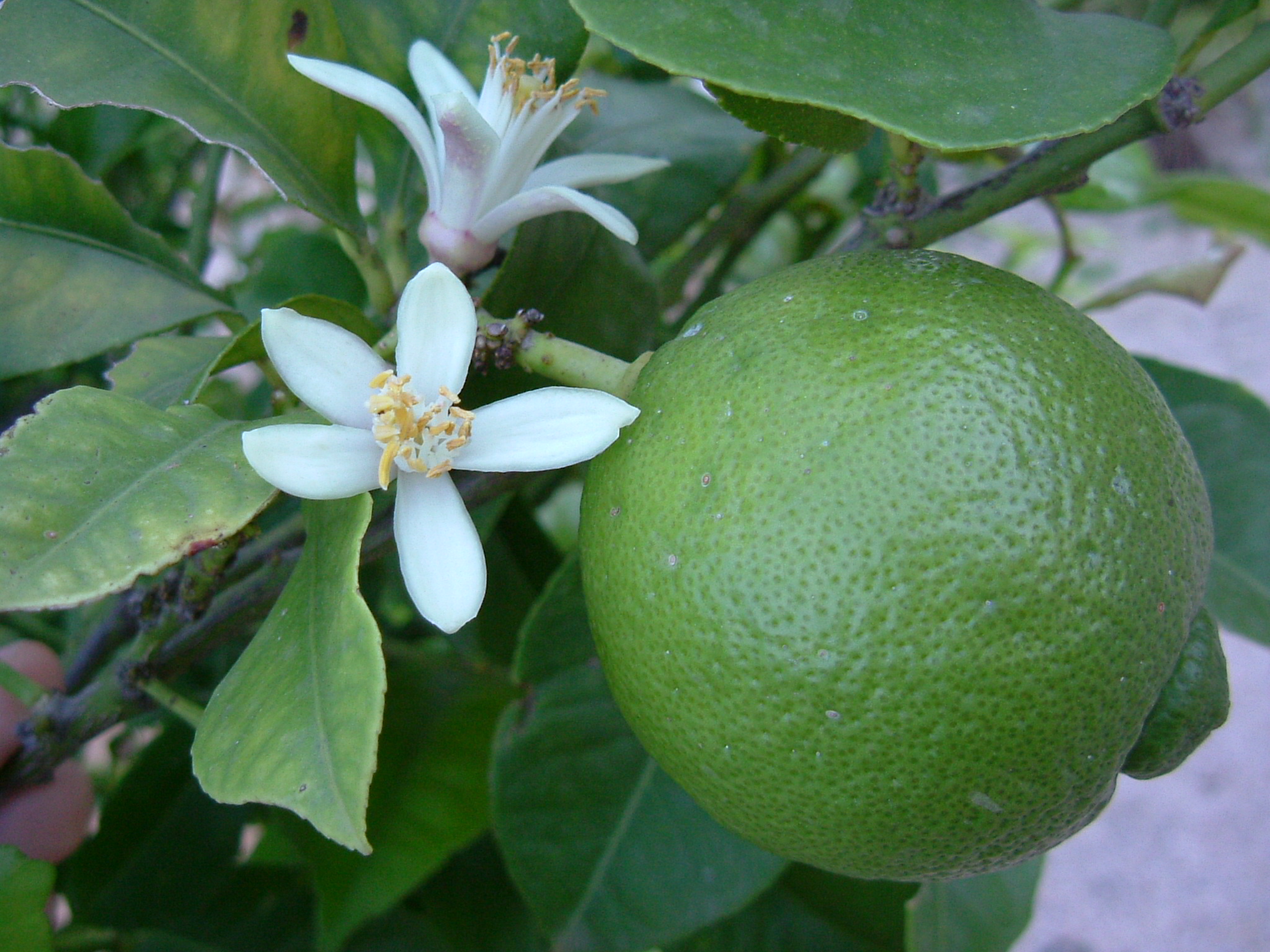
The history of lime juice is as ancient and widespread as the citrus family itself, with origins tracing back to Southeast Asia, likely the Malay Archipelago or Indochina, thousands of years ago. Early cultivation spread through trade routes. Sailors on long voyages, particularly during the age of exploration, quickly discovered lime juice's remarkable ability to prevent scurvy, a debilitating vitamin deficiency disease caused by a lack of Vitamin C. This empirical discovery, later scientifically validated, led to the widespread adoption of citrus rations by naval forces. The Key lime (Citrus × aurantiifolia) and the larger, more common Persian lime (Citrus × latifolia) became the dominant varieties cultivated for their juice, each offering distinct flavor profiles that shaped regional cuisines.
⚙️ How It Works
Extracting lime juice is a straightforward mechanical process, though the efficiency and scale vary dramatically. At its simplest, it involves pressing or squeezing the fruit, either by hand or with a manual juicer, to rupture the oil sacs in the rind and the juice vesicles in the pulp. Commercially, this is achieved using industrial citrus presses, which can process thousands of pounds of fruit per hour. These machines often employ reamers that twist into the fruit halves, extracting maximum juice while minimizing the bitter oils from the peel. The resulting juice is typically strained to remove pulp and seeds, though some applications prefer unfiltered juice for texture. The high acidity, primarily citric acid, is the key to its characteristic tartness and its effectiveness as a preservative, marinade, and cleaning agent. The volatile essential oils in the peel also contribute to lime juice's complex aroma and flavor.
📊 Key Facts & Numbers
Globally, the production of limes and lemons is a significant agricultural sector. India leads global lime and lemon production, followed closely by Mexico. The United States, primarily California and Florida, produces about 1.4 million tonnes, with the Persian lime being the dominant variety. A single medium-sized lime (approx. 50-60 grams) yields about 2 tablespoons (30 ml) of juice, containing roughly 10-15 mg of Vitamin C, which is about 15-20% of the recommended daily intake. The global market for lime juice, both fresh and processed, is valued in the hundreds of millions of dollars, driven by demand in the beverage, food, and pharmaceutical industries.
👥 Key People & Organizations
While no single individual is credited with the 'invention' of lime juice, its widespread cultivation and culinary integration involved countless farmers, traders, and chefs across millennia. Early Arab traders facilitated its spread across the Mediterranean and into Europe. In naval history, figures like James Lind, a Scottish physician whose 1753 treatise demonstrated the efficacy of citrus against scurvy, indirectly championed the use of lime juice. Modern culinary influence can be attributed to countless chefs and mixologists; the enduring popularity of the Margarita cocktail, owes its existence to the essential tartness of lime juice. Organizations like the USDA and the FAO play roles in standardizing quality and tracking production data.
🌍 Cultural Impact & Influence
Lime juice's cultural footprint is immense, deeply embedded in the culinary traditions of tropical and subtropical regions worldwide. In Mexican cuisine, it's the soul of ceviche, the essential finishing touch for tacos, and a key component in salsas and marinades. Thai cuisine relies on its bright acidity to balance the sweet, salty, and spicy elements in dishes like Tom Yum soup and Pad Thai. Vietnamese cuisine uses it liberally in noodle salads and dipping sauces, while Indian cuisine incorporates it into pickles, chutneys, and marinades for tandoori dishes. Beyond food, lime juice is central to mixology, forming the backbone of classic cocktails like the Gimlet, Mojito, and Caipirinha. Its association with refreshment and vitality has also made it a symbol of tropical locales and summer beverages, influencing branding and advertising for countless products.
⚡ Current State & Latest Developments
The current landscape of lime juice production and consumption is marked by increasing demand for fresh, high-quality juice, alongside innovations in processing and preservation. The rise of the craft cocktail movement has spurred a renewed appreciation for fresh lime juice over artificial substitutes, leading to a surge in demand for premium varieties like Key limes. In the food industry, there's a growing interest in using lime juice for its natural preservative qualities and its ability to enhance flavor profiles in processed foods, reducing reliance on artificial additives. Companies like Simply Orange and Tropicana, while primarily known for orange juice, also offer lime-based beverages, and specialized juice companies are emerging to cater to niche markets. Furthermore, research into the antimicrobial properties of lime juice continues, exploring its potential in food safety applications beyond traditional uses.
🤔 Controversies & Debates
One persistent debate surrounding lime juice revolves around the distinction between Key limes and Persian limes. Key limes, smaller and more aromatic, are often considered superior for their complex flavor, particularly in desserts like Key lime pie. However, Persian limes, larger, seedless, and with a thicker rind, are more widely cultivated due to their hardiness and higher juice yield, making them the default for many commercial applications and beverages. This has led to a controversy among gourmands and chefs about the 'authentic' lime flavor, with some arguing that the ubiquity of Persian limes has diluted the appreciation for the subtler nuances of the Key lime. Another area of contention is the use of pasteurized versus fresh lime juice; while pasteurization extends shelf life, it can diminish the volatile aromatic compounds that give fresh lime juice its vibrant character.
🔮 Future Outlook & Predictions
The future of lime juice is poised for continued growth, driven by evolving consumer preferences and technological advancements. Expect to see a greater emphasis on sustainable and organic lime cultivation, addressing concerns about water usage and pesticide application in large-scale farming operations, particularly in regions like Mexico. Innovations in extraction and preservation technologies, such as cold-pressing and advanced filtration, will likely yield higher-quality juices with extended shelf lives. The functional beverage market is also a significant growth area, with lime juice increasingly being incorporated into health-focused drinks for its Vitamin C content and perceived detoxifying properties. Furthermore, the exploration of lesser-known lime varieties, like the finger lime with its caviar-like vesicles, could introduce novel culinary experiences and expand the market for specialty citrus products.
💡 Practical Applications
Lime juice's practical applications are remarkably diverse, extending far beyond its role as a beverage ingredient. In the kitchen, it's a crucial component in marinades, tenderizing meat and fish due to its acidity, and it's used to brighten flavors in dressings, sauces, and desserts. Its high acidity makes it an effective natural cleaner, capable of cutting through grease and
Key Facts
- Category
- culture
- Type
- topic