
Contents
Overview
The genesis of the Liberal International Order can be traced to the ashes of World War II, a conflict that starkly revealed the perils of unchecked nationalism and power politics. Visionaries like Franklin D. Roosevelt and Harry S. Truman envisioned a new global architecture that would prevent such devastation from recurring. Key milestones include the establishment of the United Nations in 1945, the Bretton Woods Conference in 1944 which laid the groundwork for the IMF and the World Bank, and the signing of the General Agreement on Tariffs and Trade (GATT) in 1947, the precursor to the WTO. This era also saw the articulation of political liberalism and economic liberalism as guiding principles, championed by thinkers like John Maynard Keynes and Friedrich Hayek, shaping the economic and political structures of the post-war world. The Marshall Plan further solidified American influence and the spread of liberal economic models across Western Europe.
⚙️ How It Works
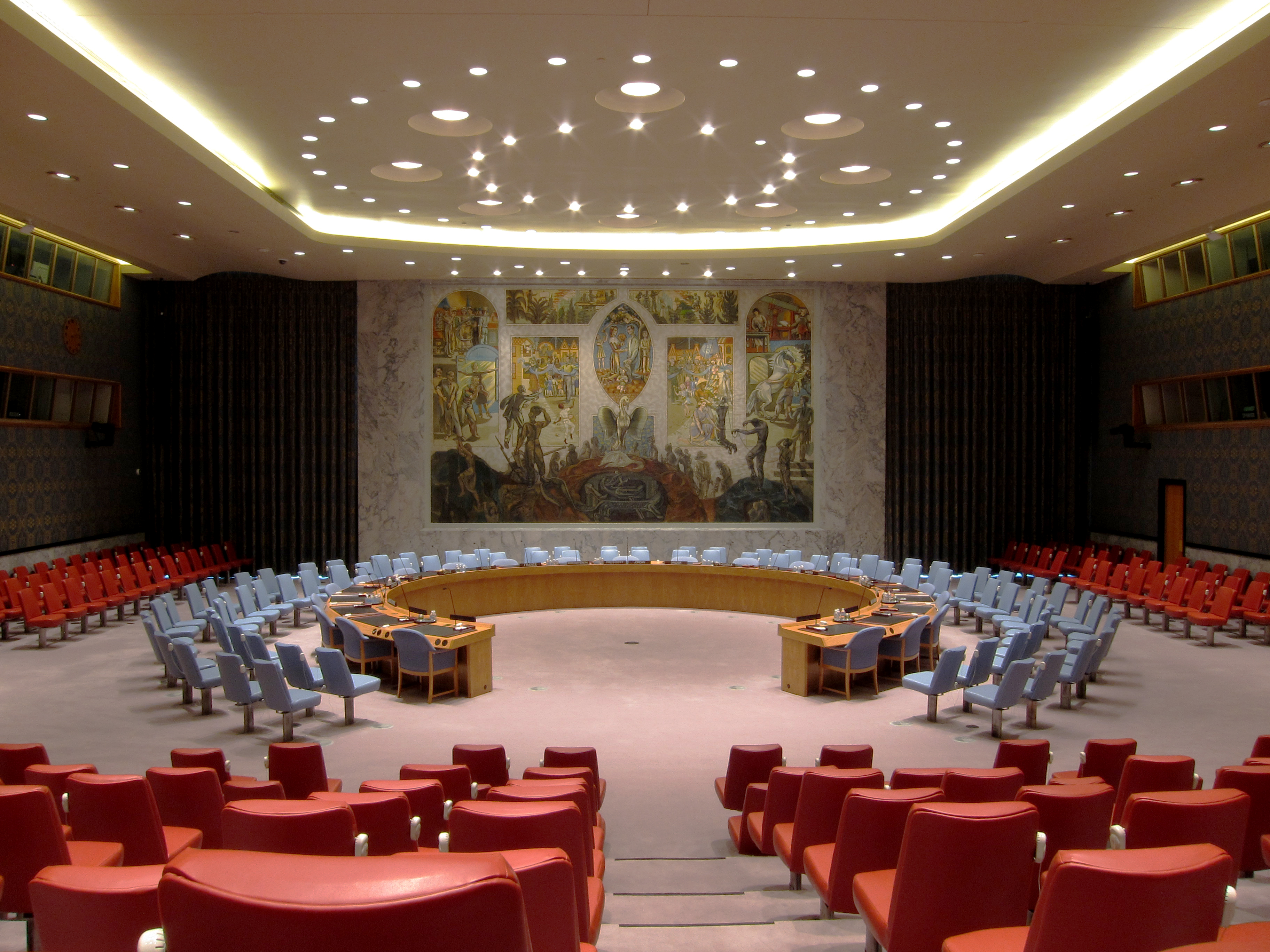
At its core, the LIO functions through a dense network of multilateral institutions and agreements that establish norms, facilitate cooperation, and provide mechanisms for dispute resolution. The UN Security Council, for instance, aims to maintain international peace and security, while the IMF and World Bank work to stabilize global finance and promote development. The WTO governs international trade rules, aiming to reduce barriers and promote free exchange. Beyond these major bodies, the LIO is underpinned by a web of treaties, alliances like NATO, and international legal frameworks that codify principles of human rights, arms control, and environmental protection. The concept of democracy promotion is central, with institutions and states actively encouraging the adoption of liberal democratic governance structures worldwide. The Washington Consensus outlines a set of neoliberal economic policies often promoted by these institutions.
📊 Key Facts & Numbers
The LIO's impact is quantifiable across numerous metrics. By 2023, the WTO reported that global trade in goods and services reached an estimated $28.5 trillion. The UN currently comprises 193 member states, representing nearly universal global participation. Between 1989 and 2010, the number of countries considered 'free' by Freedom House increased from 45 to 87, a trend often attributed to the LIO's influence. Foreign direct investment (FDI) flows, a key indicator of open markets, reached approximately $1.3 trillion globally in 2023, according to UNCTAD estimates. The IMF has provided financial assistance to over 90 countries in the past decade, totaling hundreds of billions of dollars. The Universal Declaration of Human Rights, adopted in 1948, has been translated into over 500 languages, demonstrating its widespread reach.
👥 Key People & Organizations
Key architects and proponents of the LIO include figures like George C. Marshall, whose namesake plan revitalized post-war Europe, and Dean Acheson, a principal architect of American foreign policy in the early Cold War. Organizations such as the Council on Foreign Relations and the Trilateral Commission have played significant roles in shaping discourse and policy related to the LIO. Prominent international institutions like the UN, NATO, and the European Union are central pillars of this order. More recently, figures like Henry Kissinger have continued to analyze and comment on the evolving dynamics of global governance, while critics like John Mearsheimer offer starkly different perspectives on the order's sustainability and desirability. The Brookings Institution and the Carnegie Endowment for International Peace are examples of think tanks that have extensively researched and advocated for aspects of the LIO.
🌍 Cultural Impact & Influence
The cultural resonance of the Liberal International Order is profound, shaping global narratives around peace, progress, and universal values. Hollywood films and Western media have often depicted the LIO's ideals, portraying the US and its allies as champions of freedom against authoritarianism, particularly during the Cold War. The spread of democratic norms has influenced political discourse globally, with concepts like human rights and free elections becoming aspirational goals for many societies. The proliferation of international travel, facilitated by open borders and multilateral agreements, has fostered a sense of global interconnectedness, even as it highlights inequalities. The very language of international relations, from 'multilateralism' to 'soft power,' is steeped in the LIO's conceptual framework. The influence of political liberalism and economic liberalism can be seen in educational curricula and policy debates worldwide.
⚡ Current State & Latest Developments
In 2024, the Liberal International Order faces a period of acute stress and transformation. Rising great power competition, particularly between the US and China, challenges the established norms and institutions. The Russian invasion of Ukraine in 2022, and the subsequent international response, has exposed deep divisions and tested the efficacy of organizations like the UN Security Council. Nationalist movements and populist leaders in countries like Hungary and India have increasingly questioned or rejected LIO tenets, prioritizing national sovereignty over multilateral cooperation. Debates around trade protectionism, digital governance, and the future of international law are intensifying. The EU is grappling with internal cohesion and its role as a global actor, while the US itself experiences domestic political polarization that impacts its commitment to global leadership. The rise of AI and other advanced technologies also presents new challenges for governance and security cooperation.
🤔 Controversies & Debates
The LIO is a subject of considerable controversy and scholarly debate. Critics argue that the order has often served the interests of its architects, particularly the US, rather than promoting universal equality, pointing to interventions and perceived double standards in foreign policy. Some scholars, like John Mearsheimer, contend that the LIO is inherently unsustainable, arguing that great powers will always compete and that attempts to impose liberal values can lead to conflict. Others question the efficacy of multilateral institutions, citing their inability to prevent major conflicts or address global inequalities effectively. The concept of democracy promotion itself is debated, with some arguing it can be a guise for neo-imperialism or destabilization. The Washington Consensus policies, once hailed as the path to prosperity, are now widely criticized for exacerbating inequality in many developing nations. The very term 'rules-based order' is contested, with some viewing it as a euphemism for Western hegemony.
🔮 Future Outlook & Predictions
The future of the Liberal International Order is uncertain, with several potential trajectories. One possibility is a gradual erosion and fragmentation, leading to a more multipolar world with competing regional blocs and a weakened role for global institutions. Another scenario involves a significant reform and revitalization, where institutions adapt to new realities, perhaps with a greater role for emerging powers like China and India. A more pessimistic outlook suggests a return to g
Key Facts
- Category
- movements
- Type
- topic