
Contents
Overview
The concept of leisure, as distinct from mere idleness, has roots stretching back to ancient civilizations. The Roman concept of 'otium' (leisure) contrasted with 'negotium' (business), where leisure was often a privilege of the elite, marked by lavish banquets and public spectacles. The Industrial Revolution in the 18th and 19th centuries fundamentally reshaped leisure, transforming it from an aristocratic preserve into a commodity accessible, albeit unequally, to the working classes through the advent of organized holidays and paid leave. Thinkers like Thorstein Veblen critiqued this new leisure as a form of 'conspicuous consumption,' a display of status through non-productive activities and the acquisition of luxury goods.
⚙️ How It Works
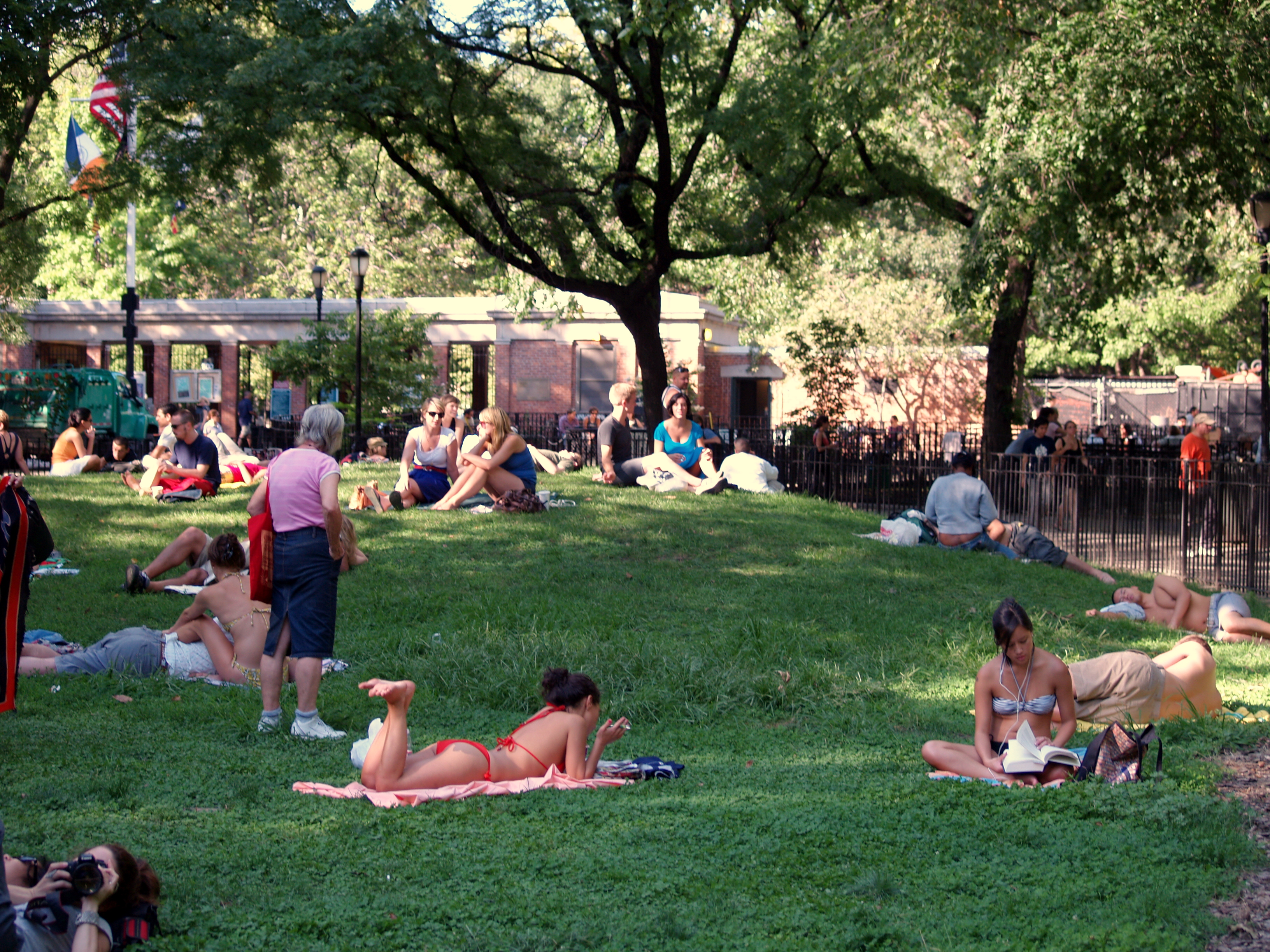
At its core, leisure activity is defined by its voluntary nature and its separation from obligatory tasks. The 'free time' available for leisure is time not allocated to employment, education, domestic chores, or essential biological needs like sleeping and eating. The experience of leisure is often characterized by a sense of autonomy, where individuals feel they are freely choosing their engagement. This psychological dimension is crucial; an activity performed under duress, even if enjoyable in isolation, may not qualify as leisure. Leisure studies often categorize activities into physical (sports, hiking), social (parties, clubs), creative (art, music), intellectual (reading, puzzles), and passive (watching TV, resting), though these categories are fluid and often overlap.
📊 Key Facts & Numbers
The global leisure and tourism industry is a colossal economic force. The video game industry alone generated billions in revenue in 2023, surpassing the global box office and music industry combined. Streaming services like Netflix boast millions of paid subscribers worldwide, highlighting the scale of digital entertainment consumption. Even niche hobbies, like collecting Pokémon cards, can represent multi-billion dollar secondary markets.
👥 Key People & Organizations
Key figures in shaping our understanding of leisure include Aristotle, who first theorized its philosophical importance in Ancient Greece, and Thorstein Veblen, whose critique of the leisure class in the late 19th century remains influential. Sociologists like Jacques Ellul have examined the 'technological society's' impact on leisure, often seeing it as another form of consumption. Organizations such as the World Leisure Organization (WLO) and the National Recreation and Park Association (NRPA) in the US advocate for the importance of leisure and recreation, promoting access and policy development. Major corporations like Disney and Google (through YouTube) are colossal players in the leisure industry, shaping how billions spend their free time.
🌍 Cultural Impact & Influence
Leisure activities have profoundly shaped cultural norms, social structures, and individual identities. The rise of organized sports, from the Olympics to professional leagues like the NFL, has created global cultural touchstones and massive fan bases. The proliferation of social media platforms like Instagram and TikTok has democratized content creation and consumption, turning hobbies into potential careers and creating new forms of digital leisure. The concept of the 'staycation,' popularized during economic downturns and the COVID-19 pandemic, reflects a shift in how people perceive and engage with leisure, often prioritizing local experiences. Furthermore, the pursuit of leisure has driven innovation in technology, from virtual reality headsets to advanced gaming consoles and portable entertainment devices.
⚡ Current State & Latest Developments
The contemporary leisure landscape is increasingly characterized by personalization and digital integration. Streaming services continue to dominate entertainment, with platforms like Netflix, Max, and Disney+ competing fiercely for subscriber attention, leading to content fragmentation. The creator economy, fueled by platforms like YouTube and Twitch, allows individuals to monetize hobbies and turn them into full-time careers. Experiential leisure, focusing on unique and immersive activities, is on the rise, with demand for travel, adventure sports, and curated events growing. Simultaneously, there's a counter-trend towards 'digital detox' and mindful leisure, with increased interest in activities like meditation, nature retreats, and offline hobbies, as seen in the resurgence of board games and analog crafts.
🤔 Controversies & Debates
Debates surrounding leisure often center on its accessibility and equity. Critics argue that the 'leisure gap' persists, with affluent individuals having far greater access to high-quality leisure experiences than lower-income populations, exacerbating social inequalities. The commodification of leisure is another point of contention; some scholars, like Jacques Ellul, have argued that even leisure time becomes subject to capitalist pressures, turning relaxation into a form of consumption or self-optimization. The environmental impact of leisure, particularly mass tourism and the energy consumption of digital entertainment, is also a growing concern, prompting discussions about sustainable leisure practices. Furthermore, the addictive potential of certain leisure activities, such as video games and social media, raises questions about responsible engagement and mental health.
🔮 Future Outlook & Predictions
The future of leisure is likely to be shaped by further technological advancements and evolving societal values. Artificial intelligence is poised to personalize leisure recommendations and even co-create experiences, from AI-generated music to interactive narratives. Virtual reality and augmented reality technologies promise to blur the lines between physical and digital leisure, offering immersive gaming, virtual travel, and enhanced social interactions. As concerns about climate change grow, sustainable and local leisure options, including ecotourism and community-based recreation, are expected to gain prominence. The ongoing negotiation between digital immersion and the desire for authentic, offline experiences will continue to define new leisure trends, potentially leading to hybrid forms of engagement that blend the virtual and the real.
💡 Practical Applications
Leisure activities have direct practical applications in promoting physical and mental well-being. Regular engagement in hobbies like gardening or playing a musical instrument has been shown to reduce stress and improve cognitive function. Organized sports and recreational activities contribute to public health by combating sedentary lifestyles and reducing rates of chronic diseases like obesity and heart disease. Leisure also plays a crucial role in community building, with local parks, community centers, and clubs serving as vital social hubs. Furthermore, the leisure industry itself is a significant economic sector, providing employment in areas such as hospitality, entertainment, tourism, and recreation, requiring professionals skilled in event management, hospitality services, and digital content creation.
Key Facts
- Category
- culture
- Type
- topic