
Contents
Overview
The genesis of the late night talk show can be traced back to early radio programs. Steve Allen infused his version of The Tonight Show with a manic energy, incorporating sketches, audience interaction, and a more improvisational style than previously seen. Johnny Carson is considered the benchmark for late night hosts, establishing the modern late night template. Carson's smooth, sophisticated, yet approachable persona, coupled with his masterful interviewing skills and the iconic presence of his sidekick Ed McMahon, set a standard that would endure for decades. His reign established the monologue, the desk-and-couch interview setup, and the house band as essential elements. Precursors like Jack Paar also played crucial roles, pushing boundaries with more personal and sometimes controversial interviews, demonstrating the format's potential for deeper engagement.
⚙️ How It Works
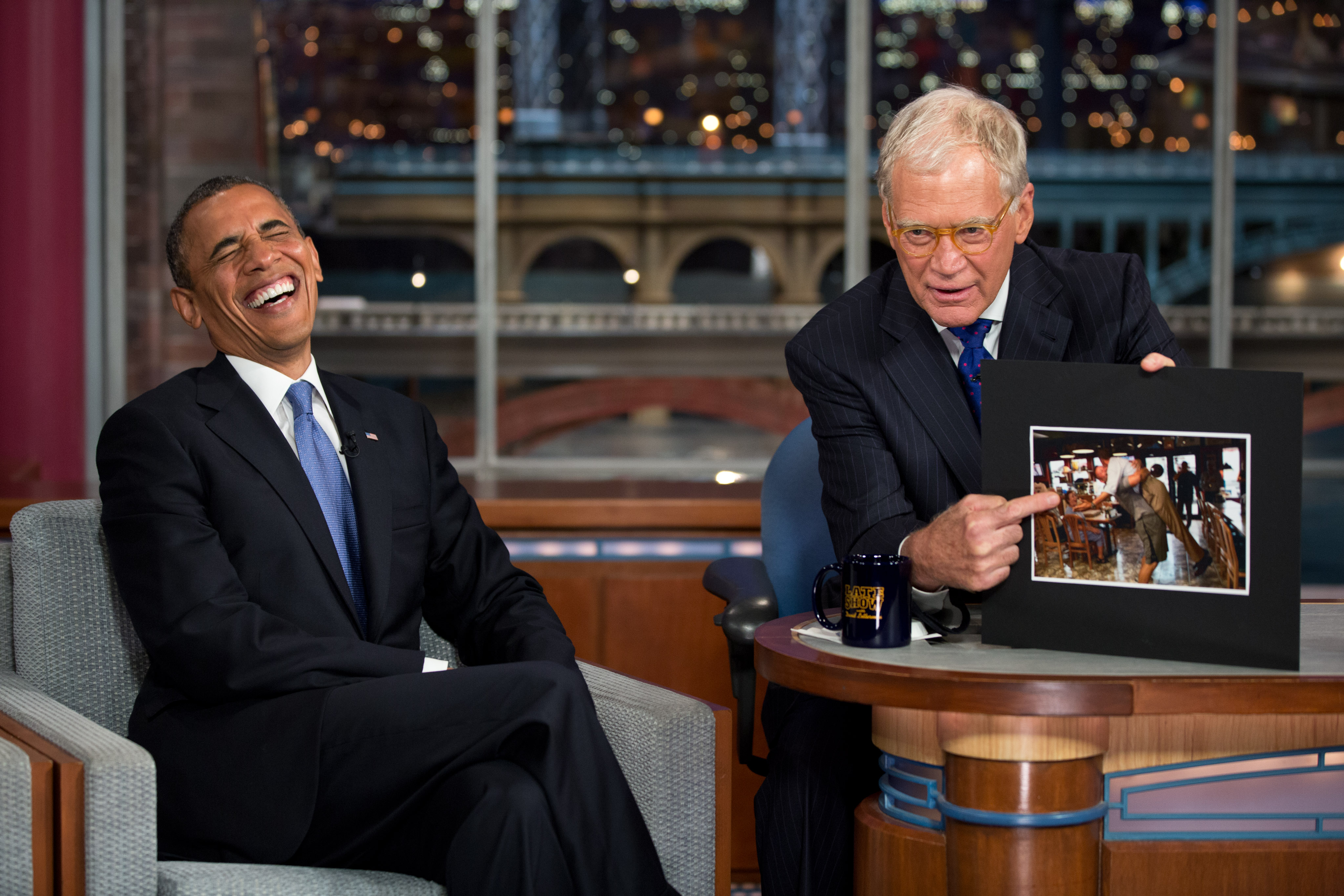
At its core, a late night talk show operates on a carefully orchestrated blend of spontaneity and structure. The show typically kicks off with a monologue, where the host riffs on current events, pop culture, and political news, often delivered with a sharp, satirical edge. This is followed by a series of guest interviews, usually conducted from behind a desk where the host sits, with guests seated on a couch. The interviews aim for a mix of humor, insight, and sometimes unexpected personal revelations, leveraging the host's rapport with the guest. Musical performances by established or emerging artists are a staple, often featuring the show's house band, which also provides walk-on music and underscores for comedic bits. Elaborate comedy sketches, recurring bits, and audience interaction further flesh out the program, all designed to create an engaging, entertaining, and often topical viewing experience within a 60-minute runtime.
📊 Key Facts & Numbers
The late night landscape is a multi-billion dollar industry. Viral clips from these shows generate billions of views on platforms like YouTube, with some individual segments accumulating over 100 million views, demonstrating a massive, albeit fragmented, audience reach. The syndication market for reruns and international distribution adds hundreds of millions more annually.
👥 Key People & Organizations
The pantheon of late night hosts is a who's who of comedic and cultural icons. Johnny Carson remains the undisputed king, setting the benchmark for over three decades. David Letterman revolutionized the format with his ironic, anti-establishment humor and innovative interview techniques on Late Night with David Letterman and Late Show with David Letterman. Jay Leno brought a more populist, everyman appeal to The Tonight Show, while Conan O'Brien carved out a niche with his surreal, self-deprecating comedy on Late Night with Conan O'Brien and The Tonight Show Starring Conan O'Brien. Current titans include Jimmy Fallon at NBC, known for his game-heavy approach, and Stephen Colbert at CBS, who transitioned from The Colbert Report to host a more politically charged The Late Show. Other significant figures include Jimmy Kimmel on ABC and Seth Meyers with his insightful political commentary on Late Night with Seth Meyers.
🌍 Cultural Impact & Influence
Late night talk shows have profoundly shaped American culture and celebrity. They serve as a primary conduit for introducing new comedians, musicians, and actors to a mass audience, often launching careers. The interviews provide a unique platform for celebrities to control their public image, share personal stories, and promote their projects, creating moments that become cultural touchstones. The monologue, in particular, acts as a daily political and social commentary, influencing public opinion and framing the national conversation. Shows like The Daily Show with Jon Stewart and Last Week Tonight with John Oliver have become essential news sources for many, demonstrating the genre's power to inform and satirize. Viral sketches and recurring bits, like Jimmy Fallon's viral games, permeate internet culture, influencing memes and online trends.
⚡ Current State & Latest Developments
The current late night landscape is characterized by intense competition and adaptation to changing media habits. While traditional ratings remain important, networks and producers are increasingly focused on digital engagement, with clips and segments achieving massive reach on platforms like YouTube, TikTok, and Instagram. The rise of streaming services has also introduced new formats and potential competitors, though live, appointment viewing for late night still holds sway. Hosts like Seth Meyers have gained acclaim for their in-depth political analysis, while others like Jimmy Fallon lean heavily into viral games and celebrity interactions. The emergence of hosts from diverse backgrounds and with varied comedic styles continues to broaden the genre's appeal, reflecting a more inclusive media environment. The 2023 WGA strike significantly disrupted production, highlighting the reliance on writers for the genre's success.
🤔 Controversies & Debates
The late night talk show format is not without its controversies. Debates often arise regarding the perceived political bias of hosts, particularly in their monologues and interview choices. Critics sometimes accuse shows of being too soft on guests from their own political leaning or too harsh on opponents, leading to accusations of partisan punditry rather than objective commentary. The pressure to create viral content can also lead to sensationalism or a focus on superficiality over substance. Furthermore, the historical lack of diversity among hosts has been a persistent criticism, though this has begun to shift with the success of hosts like Trevor Noah and Nicole Byer. The ethics of celebrity interviews, particularly when dealing with sensitive topics or promoting potentially harmful products, are also frequently scrutinized.
🔮 Future Outlook & Predictions
The future of late night talk shows will likely involve a continued push towards digital integration and personalized content delivery. Expect hosts to further embrace short-form video platforms like TikTok and YouTube Shorts to disseminate their content, potentially creating bespoke content for these channels. The line between traditional broadcast and online streaming will continue to blur, with networks experimenting with exclusive online content or even entirely digital-first shows. The role of the monologue may evolve, perhaps becoming more fragmented or interactive. Hosts who can effectively blend topical humor with genuine connection and offer unique perspectives will likely thrive. There's also potential for entirely new formats to emerge, perhaps less reliant on the traditional studio setup and more focused on specific niches or interactive experiences, potentially challenging the dominance of established players like NBC and CBS.
💡 Practical Applications
While primarily entertainment, late night
Key Facts
- Category
- culture
- Type
- topic