
Contents
- 💧 The Origin Story: More Than Just a Bottle
- 🛠️ Engineering for Endurance: What Makes Them Last
- 🌍 Environmental Impact: Beyond the Bin
- 🎨 The Klean Kanteen Ecosystem: Beyond the Bottle
- 💰 Investment vs. Expense: The True Cost
- 🤔 Who's It For? The Everyday Advocate
- 🏆 Awards & Accolades: Proof in the Pudding
- ⚠️ Potential Pitfalls: What to Watch For
- Frequently Asked Questions
- Related Topics
Overview
Klean Kanteen wasn't born in a boardroom; it emerged from a desire to ditch disposable plastic. Founded in 2004 by Mark and Bobbiefoote, the company aimed to provide a durable, reusable alternative that wouldn't leach chemicals. Their initial focus was on simple, high-quality stainless steel water bottles, a stark contrast to the burgeoning market of single-use plastic. This foundational commitment to health and environmental responsibility has been the bedrock of the brand, influencing every product they've launched since. It’s a narrative that resonates deeply within the sustainability movement and the broader zero-waste lifestyle.
🛠️ Engineering for Endurance: What Makes Them Last
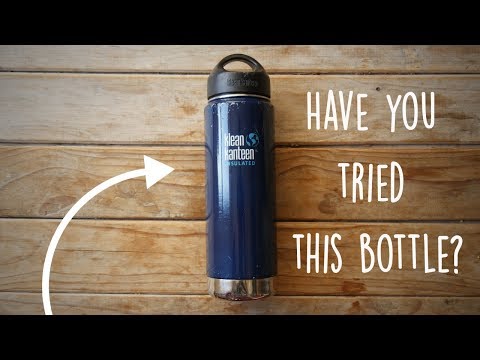
The secret to a Klean Kanteen's longevity lies in its robust construction. Primarily using 18/8 food-grade stainless steel, these bottles are designed to withstand drops, dings, and daily abuse. The electropolished interior surfaces resist flavor transfer, meaning your morning coffee won't taint your afternoon water. Many models feature double-wall vacuum insulation, a sophisticated engineering feat that keeps beverages hot for up to 12 hours or cold for up to 24. This isn't just about convenience; it's about creating a product that actively discourages the purchase of disposable alternatives by being demonstrably superior in performance and durability. The BPA-free materials further underscore their commitment to health.
🌍 Environmental Impact: Beyond the Bin
The environmental calculus of a Klean Kanteen is compelling. By choosing a reusable bottle, consumers divert countless plastic bottles from landfills and oceans. A single Klean Kanteen can replace thousands of disposable bottles over its lifespan. The company also actively pursues Climate Neutral Certified status, offsetting 100% of their carbon emissions. Their commitment extends to 1% for the Planet membership, donating 1% of their annual sales to environmental non-profits. This holistic approach to sustainability, from product design to corporate responsibility, sets a high bar for competitors in the reusable product market.
🎨 The Klean Kanteen Ecosystem: Beyond the Bottle
Klean Kanteen’s product line has expanded significantly beyond the classic water bottle. They now offer insulated tumblers, food canisters, coffee mugs, and even beer growlers, all built with the same durable, food-grade stainless steel. This expansion allows consumers to replace single-use containers for a wider range of needs, from packing lunches to enjoying a craft beer. The variety of caps and accessories, like the Sport Cap or the Loop Cap, further enhances their utility and customization, making them adaptable to diverse lifestyles and activities. This ecosystem approach strengthens their position within the sustainable living community.
💰 Investment vs. Expense: The True Cost
While the upfront cost of a Klean Kanteen might seem higher than a disposable bottle or a cheap plastic alternative, the long-term economics are undeniable. A $30 Klean Kanteen can last a decade or more, effectively costing pennies per use. Compare this to the recurring expense of buying bottled water or the environmental cost of plastic production and disposal, and the value proposition becomes clear. This makes Klean Kanteen a smart investment for the budget-conscious and the environmentally aware alike, aligning with principles of frugality and conscious consumption.
🤔 Who's It For? The Everyday Advocate
Klean Kanteen is for anyone who’s tired of the endless cycle of disposable products. It’s for the hiker needing hydration on a long trail, the student packing lunch for campus, the office worker seeking a healthier coffee habit, or the parent packing snacks for their kids. The brand appeals to a demographic that values durability, health, and environmental stewardship. If you’re looking for a reliable, long-lasting vessel that aligns with your values and reduces your daily waste footprint, Klean Kanteen is a prime candidate. It’s a tool for embracing a more sustainable lifestyle.
🏆 Awards & Accolades: Proof in the Pudding
Klean Kanteen has garnered significant recognition for its commitment to quality and sustainability. They have been awarded numerous accolades, including being named a B Corp Best for the World honoree multiple times for their positive impact on workers, the community, and the environment. Their products frequently receive high marks in consumer reviews for durability and performance. This consistent praise from both independent evaluators and everyday users solidifies their reputation as a leader in the reusable goods sector.
⚠️ Potential Pitfalls: What to Watch For
While Klean Kanteens are built to last, they aren't indestructible. The exterior paint can chip or scratch with rough use, though this typically doesn't affect the bottle's functionality. The vacuum seal on insulated models can eventually degrade, though this is rare and often covered by warranty. Cleaning is generally straightforward, but the narrow openings on some models can make thorough scrubbing difficult without a proper bottle brush. It’s also important to ensure you’re purchasing from authorized retailers to avoid counterfeits, which may not meet the same quality or safety standards as genuine Klean Kanteen products.
Key Facts
- Year
- 2004
- Origin
- Chico, California, USA
- Category
- Sustainable Products
- Type
- Brand
Frequently Asked Questions
Are Klean Kanteen bottles truly BPA-free?
Yes, Klean Kanteen exclusively uses 18/8 food-grade stainless steel for their bottles and caps. This material is naturally BPA-free, as are all other components like the plastic in their Sport Caps. They have a strong commitment to health and safety, ensuring no harmful chemicals leach into your beverages.
How do I clean my Klean Kanteen to prevent odors or mold?
For regular cleaning, warm, soapy water and a bottle brush are usually sufficient. For tougher stains or odors, you can use a mixture of baking soda and water, or a diluted vinegar solution. Ensure you rinse thoroughly and allow the bottle to air dry completely with the cap off to prevent moisture buildup.
What is the difference between insulated and non-insulated Klean Kanteens?
Insulated Klean Kanteens feature double-wall vacuum insulation, which significantly enhances their ability to maintain beverage temperature. They can keep drinks hot for up to 12 hours or cold for up to 24 hours. Non-insulated models are lighter and simpler, ideal for those who don't need temperature control and prefer a more minimalist design.
Can I put hot liquids in a non-insulated Klean Kanteen?
While you technically can, it's not recommended for safety reasons. Non-insulated bottles do not have any thermal regulation, meaning hot liquids will remain hot, posing a burn risk. They also lack the insulation to keep drinks warm for any significant period. Insulated models are designed for both hot and cold beverages.
What does Klean Kanteen's 'Climate Neutral Certified' status mean?
It means Klean Kanteen has measured, reduced, and offset 100% of their carbon emissions across their entire business operations and supply chain. This certification, often managed by organizations like Climate Neutral, signifies a serious commitment to mitigating their environmental footprint and combating climate change.
Where are Klean Kanteen bottles manufactured?
Klean Kanteen products are designed in Chico, California, USA. The manufacturing of their stainless steel bottles primarily takes place in China, where they work with factories that meet their strict standards for quality, labor practices, and environmental responsibility. They are transparent about their supply chain.