
Contents
- 🌐 Origins & History
- 📊 How It Works
- 📈 Key Facts & Numbers
- 👥 Key People & Organizations
- 🌍 Cultural Impact & Influence
- ⚡ Current State & Latest Developments
- 🤔 Controversies & Debates
- 🔮 Future Outlook & Predictions
- 💡 Practical Applications
- 📚 Related Topics & Deeper Reading
- Frequently Asked Questions
- References
- Related Topics
Overview
The internet is a global system of interconnected computer networks that has revolutionized the way we communicate, access information, and conduct various aspects of our lives. With its origins dating back to the 1960s, the internet has evolved to become an indispensable part of modern society, transforming traditional media and giving rise to new forms of interaction, entertainment, and commerce. Today, the internet is used by over 4.9 billion people worldwide, accounting for approximately 63% of the global population, with an estimated 1.8 billion websites and over 5 billion internet-enabled devices. The internet's impact is felt across various sectors, including education, healthcare, finance, and governance, with its influence expected to continue growing in the coming years. As a testament to its significance, the internet has been recognized as a fundamental human right by the United Nations, with many countries investing heavily in expanding their internet infrastructure and promoting digital literacy. With the rise of emerging technologies such as artificial intelligence, blockchain, and the Internet of Things (IoT), the internet is poised to play an even more critical role in shaping the future of humanity.
🌐 Origins & History
The internet has its roots in the 1960s, when the United States Department of Defense's Advanced Research Projects Agency (ARPA) funded a project to create a network of computers that could communicate with each other, known as ARPANET. This project was led by Vint Cerf and Bob Kahn, who are often referred to as the 'fathers of the internet'. The first message sent over ARPANET was in 1969, and the network was initially used to connect computers at different research institutions. Over time, other networks, such as the National Science Foundation Network (NSFNET), were developed, and the internet as we know it today began to take shape. The internet's early development was also influenced by the work of Jon Postel, who managed the assignment of IP addresses and domain names, and Tim Berners-Lee, who invented the World Wide Web.
📊 How It Works
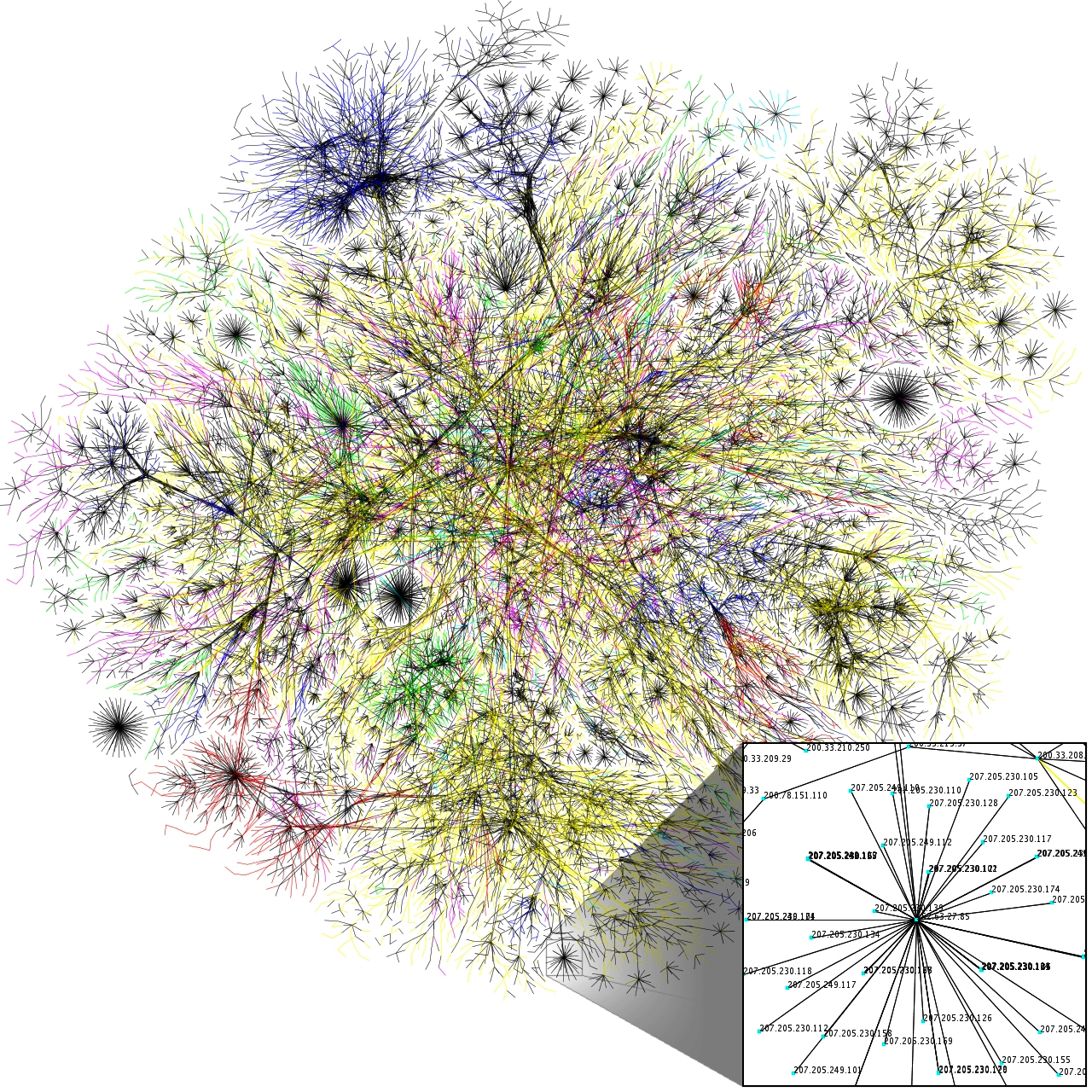
The internet works by using a system of interconnected networks, with each network using standardized communication protocols, such as the Internet Protocol (IP) and the Transmission Control Protocol (TCP). This allows devices connected to the internet to communicate with each other, regardless of their location or the type of network they are connected to. The internet is made up of a vast network of servers, routers, and other infrastructure, which work together to route data packets between devices. The internet also relies on a system of domain names and IP addresses, which are managed by organizations such as ICANN and IANA. The internet's infrastructure is also supported by a network of undersea cables, which carry a significant portion of international internet traffic, and are maintained by companies such as Subcom and Seaborn Networks.
📈 Key Facts & Numbers
The internet has become an essential part of modern life, with over 4.9 billion people using it worldwide. The internet is used for a wide range of purposes, including communication, entertainment, education, and commerce. The internet has also enabled the development of new industries and business models, such as e-commerce and online advertising. The internet's impact is felt across various sectors, including education, healthcare, finance, and governance. For example, online education platforms such as Coursera and Udemy have made it possible for people to access high-quality educational content from anywhere in the world. The internet has also enabled the growth of the sharing economy, with companies such as Uber and Airbnb providing new opportunities for people to share resources and services.
👥 Key People & Organizations
The development and maintenance of the internet involve a wide range of people and organizations, including Google, Amazon, Facebook, and Microsoft. These companies, along with many others, play a critical role in shaping the internet and its ecosystem. Other key organizations, such as ISOC and W3C, work to promote the development and use of the internet, and to ensure that it remains a open and accessible platform for everyone. The internet is also supported by a network of internet exchange points (IXPs), which are maintained by organizations such as DE-CIX and LINX.
🌍 Cultural Impact & Influence
The internet has had a profound impact on culture and society, enabling new forms of communication, collaboration, and creativity. The internet has also enabled the development of new forms of entertainment, such as online gaming and streaming media. The internet has also had a significant impact on traditional media, such as newspapers and television, which have had to adapt to the changing media landscape. The internet has also enabled the growth of social media, with platforms such as Twitter and Instagram providing new ways for people to connect and share information. The internet's cultural impact is also reflected in the growth of online communities, such as Reddit and Discord, which provide a platform for people to connect and share interests.
⚡ Current State & Latest Developments
The current state of the internet is one of rapid growth and evolution, with new technologies and applications emerging all the time. The internet is also facing a number of challenges, including issues related to privacy, security, and accessibility. The internet is also playing an increasingly important role in the global economy, with e-commerce and online services becoming increasingly important. The internet's impact is also being felt in the area of governance, with many countries developing policies and regulations to govern the use of the internet. For example, the European Union's General Data Protection Regulation (GDPR) has set a new standard for data protection and privacy online. The internet is also being used to support the development of new technologies, such as artificial intelligence and blockchain, which are expected to have a significant impact on the future of the internet.
🤔 Controversies & Debates
The internet is not without its controversies and debates, with issues related to privacy, security, and accessibility being of particular concern. The internet is also facing challenges related to the spread of misinformation and the impact of social media on society. The internet is also being used for a wide range of malicious activities, including cybercrime and online harassment. The internet's impact on traditional industries, such as the music and film industries, has also been a subject of controversy, with many artists and creators expressing concerns about the impact of online piracy and streaming on their livelihoods. The internet's role in the spread of misinformation has also been a subject of debate, with many experts arguing that social media platforms have a responsibility to regulate the content that is shared on their platforms.
🔮 Future Outlook & Predictions
The future of the internet is likely to be shaped by a wide range of factors, including technological advancements, changing user behaviors, and evolving regulatory environments. The internet is expected to continue to play an increasingly important role in the global economy, with e-commerce and online services becoming increasingly important. The internet is also expected to have a significant impact on the development of new technologies, such as artificial intelligence and blockchain. The internet's future is also likely to be shaped by the development of new technologies, such as the Internet of Things (IoT) and 5G networks, which are expected to enable new forms of connectivity and communication. The internet's future is also likely to be influenced by the development of new business models, such as subscription-based services and online marketplaces.
💡 Practical Applications
The internet has a wide range of practical applications, including communication, entertainment, education, and commerce. The internet is also being used to support the development of new technologies, such as artificial intelligence and blockchain. The internet is also being used to improve the efficiency and effectiveness of a wide range of industries, including healthcare, finance, and transportation. The internet's practical applications are also being felt in the area of governance, with many governments using the internet to provide services and information to citizens. For example, the United States government's website, USA.gov, provides a wide range of information and services to citizens, including information on government programs and services.
Key Facts
- Year
- 1969
- Origin
- United States
- Category
- technology
- Type
- concept
Frequently Asked Questions
What is the internet?
The internet is a global system of interconnected computer networks that uses the Internet protocol suite (TCP/IP) to communicate between networks and devices. It is a network of networks that comprises private, public, academic, business, and government networks of local to global scope, linked by electronic, wireless, and optical networking technologies. The internet carries a vast range of information services and resources, such as the interlinked hypertext documents and applications of the World Wide Web (WWW), electronic mail, discussion groups, internet telephony, streaming media and file sharing. The internet is used by over 4.9 billion people worldwide, accounting for approximately 63% of the global population, with an estimated 1.8 billion websites and over 5 billion internet-enabled devices.
How does the internet work?
The internet works by using a system of interconnected networks, with each network using standardized communication protocols, such as the Internet Protocol (IP) and the Transmission Control Protocol (TCP). This allows devices connected to the internet to communicate with each other, regardless of their location or the type of network they are connected to. The internet is made up of a vast network of servers, routers, and other infrastructure, which work together to route data packets between devices. The internet also relies on a system of domain names and IP addresses, which are managed by organizations such as ICANN and IANA.
What are the benefits of the internet?
The internet has a wide range of benefits, including enabling global communication, providing access to a vast range of information and resources, and supporting the development of new industries and business models. The internet has also enabled the growth of e-commerce, online education, and telemedicine, which have improved the lives of millions of people around the world. The internet has also enabled the development of new forms of entertainment, such as online gaming and streaming media, which have become an integral part of modern life.
What are the challenges facing the internet?
The internet is facing a number of challenges, including issues related to privacy, security, and accessibility. The internet is also facing challenges related to the spread of misinformation and the impact of social media on society. The internet is also being used for a wide range of malicious activities, including cybercrime and online harassment. The internet's impact on traditional industries, such as the music and film industries, has also been a subject of controversy, with many artists and creators expressing concerns about the impact of online piracy and streaming on their livelihoods.
What is the future of the internet?
The future of the internet is likely to be shaped by a wide range of factors, including technological advancements, changing user behaviors, and evolving regulatory environments. The internet is expected to continue to play an increasingly important role in the global economy, with e-commerce and online services becoming increasingly important. The internet is also expected to have a significant impact on the development of new technologies, such as artificial intelligence and blockchain. The internet's future is also likely to be shaped by the development of new technologies, such as the Internet of Things (IoT) and 5G networks, which are expected to enable new forms of connectivity and communication.
How is the internet regulated?
The internet is regulated by a complex system of laws, regulations, and standards, which are developed and enforced by a wide range of organizations, including governments, international organizations, and industry associations. The internet is also subject to a wide range of national and international laws, including laws related to privacy, security, and intellectual property. The internet's regulation is also influenced by a wide range of stakeholders, including internet service providers, online platforms, and civil society organizations.
What is the impact of the internet on society?
The internet has had a profound impact on society, enabling new forms of communication, collaboration, and creativity. The internet has also enabled the development of new industries and business models, and has had a significant impact on the way we live, work, and interact with each other. The internet has also had a significant impact on the way we access information and services, with many people relying on the internet for news, entertainment, and education. The internet's impact on society is also reflected in the growth of online communities, which provide a platform for people to connect and share interests.
How can I stay safe online?
To stay safe online, it is essential to take a number of precautions, including using strong passwords, keeping your software up to date, and being cautious when clicking on links or downloading attachments. It is also essential to be aware of the risks of online harassment, cybercrime, and identity theft, and to take steps to protect yourself, such as using two-factor authentication and monitoring your online accounts. The internet is a powerful tool, but it can also be a source of risk and vulnerability, so it is essential to be aware of the potential dangers and to take steps to protect yourself.
What is the future of the internet in terms of emerging technologies?
The future of the internet is likely to be shaped by a wide range of emerging technologies, including artificial intelligence, blockchain, and the Internet of Things (IoT). These technologies are expected to enable new forms of connectivity, communication, and innovation, and to have a significant impact on the way we live, work, and interact with each other. The internet's future is also likely to be shaped by the development of new technologies, such as 5G networks and quantum computing, which are expected to enable new forms of speed, capacity, and security.