Indian Classical Music Organizations | Vibepedia
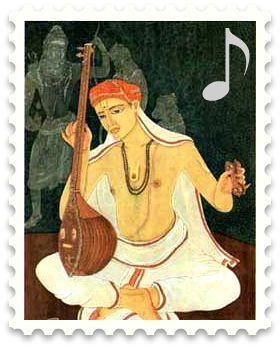
Indian classical music, a rich heritage spanning Hindustani and Carnatic traditions, is sustained and propagated by a diverse ecosystem of organizations…
Contents
Overview
Indian classical music, a rich heritage spanning Hindustani and Carnatic traditions, is sustained and propagated by a diverse ecosystem of organizations. These entities range from venerable government-backed institutions like the Sangeet Natak Akademi to private academies, guru-shishya parampara-focused ashrams, and contemporary cultural foundations. They play a critical role in artist development, performance curation, archival, research, and public dissemination, ensuring the survival and evolution of complex musical forms. Organizations such as the Parampara Sangeet Alap Samiti and the All India Radio have historically been instrumental in broadcasting and preserving these art forms. The landscape is dynamic, with newer organizations emerging to address contemporary challenges and opportunities in the digital age, while older ones grapple with legacy and relevance. The collective impact of these organizations is immeasurable, shaping the very 'vibe' and accessibility of Indian classical music for millions globally.
🎵 Origins & History
The institutionalization of Indian classical music began to take shape during the colonial era and accelerated post-independence. Prior to this, the transmission of knowledge primarily occurred through the guru-shishya parampara, an intimate master-disciple relationship. However, the need for broader access, preservation, and formal training led to the establishment of various bodies. Early pioneers recognized the importance of codifying knowledge and providing platforms for performance beyond royal courts. The Sangeet Natak Akademi, established in 1953 by the Government of India, became a pivotal national institution, aiming to promote and preserve India's diverse performing arts, including Hindustani and Carnatic music. Simultaneously, numerous private music schools and cultural centers, often founded by eminent musicians themselves, emerged across cities like Kolkata, Chennai, and Mumbai, fostering specific gharanas and styles.
⚙️ How They Function
Indian classical music organizations function through a multi-pronged approach. They typically offer structured music education programs, ranging from beginner classes to advanced diplomas, often adhering to traditional pedagogical methods or incorporating modern curricula. Performance curation is another core function, with organizations hosting concerts, festivals, and workshops featuring established and emerging artists. Many also engage in archival work, recording performances, preserving rare compositions, and documenting the history of various gharanas. Research initiatives, publications, and the dissemination of theoretical knowledge are also common. For instance, the Indian Musicological Society actively promotes scholarly research. Some organizations also focus on outreach, bringing classical music to wider audiences through community programs and digital platforms.
📊 Key Facts & Numbers
The scale of operations for Indian classical music organizations varies dramatically. The Sangeet Natak Akademi supports over 1,500 autonomous cultural institutions across India. Annual budgets for major national bodies can run into millions of dollars, while smaller regional academies might operate on significantly less. Thousands of private music schools and individual guru-led centers exist, with student enrollments potentially reaching tens of thousands annually across the country. Major festivals organized by entities like SPIC MACAY can attract audiences of over 5,000 per event. An estimated 500+ organizations dedicated to Indian classical music operate outside India, particularly in North America and Europe, catering to a diaspora and a growing international student base.
👥 Key People & Organizations
Eminent musicians, scholars, and patrons have been instrumental in founding and leading these organizations. Ustad Bismillah Khan, a Bharat Ratna recipient, was associated with numerous musical institutions. M.S. Subbulakshmi, the Carnatic music legend, inspired the establishment of many performance venues and educational trusts. Pandit Ravi Shankar not only popularized Indian music globally but also established institutions like the Ravi Shankar Centre to promote Indian arts. The Parampara Sangeet Alap Samiti and the Indian Musicological Society are examples of scholarly bodies. Government bodies like the Ministry of Culture, India provide significant funding and policy direction, while organizations like The Iyer Foundation focus on specific regional traditions.
🌍 Cultural Impact & Influence
These organizations are the primary conduits through which Indian classical music maintains its cultural relevance and reaches new generations. By providing structured learning, they ensure the continuity of complex musical traditions, preventing them from becoming mere historical artifacts. Their performance platforms introduce audiences to the nuances of ragas and talas, fostering appreciation and patronage. Archival efforts by institutions like All India Radio's archives have preserved invaluable recordings. Furthermore, these bodies often act as cultural ambassadors, promoting Indian heritage through international collaborations and festivals, thereby influencing global musical dialogues and contributing to a broader understanding of non-Western art forms.
⚡ Current State & Latest Developments
The current landscape sees a blend of tradition and innovation. Many established organizations are increasingly leveraging digital technologies for online classes, virtual concerts, and archival access, a trend significantly accelerated by the COVID-19 pandemic. The Sangeet Natak Akademi and similar bodies are exploring new outreach strategies to engage younger demographics. There's a growing emphasis on interdisciplinary collaborations, with organizations facilitating fusions between classical music and other genres, or integrating it with visual arts and theatre. Simultaneously, there's a push to document and revitalize lesser-known classical traditions, such as Odissi music, and to ensure equitable representation for artists from diverse backgrounds within these institutions.
🤔 Controversies & Debates
Significant debates surround the operational models and impact of these organizations. A perennial point of contention is the balance between preserving tradition and embracing innovation; some critics argue that modernization dilutes the purity of classical forms, while others contend that stagnation leads to obsolescence. Funding is another major issue, with many private organizations struggling for financial sustainability, often relying on grants or donations, while government-funded bodies face bureaucratic hurdles and questions of efficiency. The effectiveness of the guru-shishya parampara versus formal institutional training is also debated, with some arguing that the latter can stifle individual creativity. Furthermore, questions of accessibility and inclusivity arise, particularly regarding the representation of women and artists from marginalized communities within leadership roles and performance lineups.
🔮 Future Outlook & Predictions
The future of Indian classical music organizations hinges on their ability to adapt to a rapidly changing world. Expect a continued surge in digital engagement, with organizations developing sophisticated online learning platforms and immersive virtual concert experiences. There will likely be a greater focus on inter-organizational collaboration to pool resources and expand reach, potentially leading to pan-Indian or even global networks. The challenge of financial sustainability will persist, driving a need for innovative revenue models, including corporate sponsorships and diversified fundraising. Furthermore, organizations will play a crucial role in navigating the ethical considerations of AI in music creation and performance, ensuring that technology serves, rather than supplants, human artistry and tradition. The emphasis on documenting and promoting regional classical forms is also expected to grow.
💡 Practical Applications
These organizations serve as vital hubs for practical engagement with Indian classical music. For aspiring musicians, they offer structured music education and performance opportunities. For audiences, they provide access to live concerts, festivals, and educational programs that deepen understanding and appreciation. Researchers and scholars utilize their archives and publications for academic pursuits. They also act as employers for musicians, educators, administrators, and technical staff. Furthermore, many organizations engage in cultural diplomacy, facilitating international exchanges and performances that foster cross-cultural understanding. The Parampara Sangeet Alap Samiti, for example, actively organizes workshops and lecture-demonstrations, making complex music
Key Facts
- Category
- culture
- Type
- topic