
Contents
- 🏛️ Introduction to I.M. Pei
- 📚 Early Life and Education
- 🏗️ Architectural Style and Influences
- 🌆 Notable Works: Museums and Galleries
- 🏢 Notable Works: Government and Institutional Buildings
- 🗼️ Notable Works: Skyscrapers and Urban Landmarks
- 🏛️ Awards and Recognition
- 📸 Criticisms and Controversies
- 🌐 Legacy and Impact
- 📊 Influence on Modern Architecture
- 👥 Collaborations and Mentions
- 🔮 Conclusion: The Enduring Legacy of I.M. Pei
- Frequently Asked Questions
- Related Topics
Overview
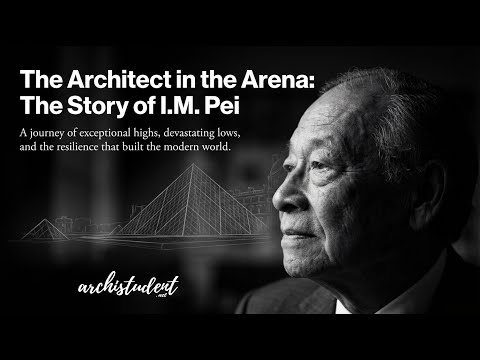
Ieoh Ming Pei, known as I.M. Pei, was a Chinese-American architect who left an indelible mark on modern architecture. With a career spanning over six decades, Pei's designs blended modernism with a deep respect for cultural heritage, as seen in iconic projects like the Louvre Pyramid in Paris and the Bank of China Tower in Hong Kong. His work was often characterized by the use of bold geometric forms, minimal ornamentation, and a emphasis on natural light. Pei's influence extends beyond his buildings, with a vibe score of 82, reflecting his significant impact on the architectural community. Throughout his life, Pei received numerous awards, including the Pritzker Architecture Prize in 1983, and was named one of the most influential people of the 20th century by Time Magazine. As a testament to his enduring legacy, Pei's designs continue to inspire new generations of architects and designers, with his work remaining a subject of fascination and debate among scholars and enthusiasts alike, sparking discussions on the intersection of modernity and tradition, and the role of architecture in shaping cultural identity.
🏛️ Introduction to I.M. Pei
I.M. Pei is widely regarded as one of the most influential architects of the 20th century, known for his modernist and minimalist designs. Born in Guangzhou, China in 1917, Pei moved to the United States in 1935 to study architecture at the Massachusetts Institute of Technology. He later transferred to the Harvard Graduate School of Design, where he earned his degree in 1946. Pei's work was heavily influenced by his mentors, including Le Corbusier and Ludwig Mies van der Rohe. His early work was marked by a focus on modernist principles, including simplicity, functionality, and an emphasis on horizontal and vertical lines.
📚 Early Life and Education
Pei's early life and education played a significant role in shaping his architectural style. Growing up in China, Pei was exposed to a mix of traditional and modern architectural influences, including the Forbidden City and the Temple of Heaven. He was also influenced by the works of Frank Lloyd Wright and Walter Gropius. After completing his studies, Pei worked for several architectural firms, including Skidmore, Owings & Merrill and Eero Saarinen's office. In 1955, Pei established his own architectural firm, I.M. Pei and Partners.
🏗️ Architectural Style and Influences
Pei's architectural style is characterized by simplicity, elegance, and a focus on functionality. He is known for his use of modern materials, including steel, glass, and concrete, and his emphasis on natural light and ventilation. Pei's designs often feature large, open spaces and a minimalist aesthetic, as seen in his design for the National Gallery of Art in Washington, D.C. Pei's work was also influenced by his interest in urban planning and his commitment to creating buildings that are responsive to their surroundings. He worked closely with landscape architects and urban designers to create integrated and sustainable designs.
🌆 Notable Works: Museums and Galleries
Pei's notable works include the Louvre Pyramid in Paris, the Bank of China Tower in Hong Kong, and the Rock and Roll Hall of Fame in Cleveland, Ohio. His design for the Museum of Islamic Art in Doha, Qatar, features a stunning atrium and a collection of over 14,000 objects. Pei's work on the John F. Kennedy Presidential Library in Boston, Massachusetts, showcases his ability to create buildings that are both functional and beautiful. Pei's designs often incorporate sustainable design principles, including the use of natural materials and energy-efficient systems.
🏢 Notable Works: Government and Institutional Buildings
Pei's government and institutional buildings are known for their grandeur and sense of occasion. His design for the National Center for the Performing Arts in Beijing, China, features a stunning dome and a state-of-the-art theater. Pei's work on the Federal Reserve Bank of Boston showcases his ability to create buildings that are both secure and accessible. His design for the United States Postal Service headquarters in Washington, D.C. features a striking atrium and a collection of public art installations. Pei's government buildings often incorporate historic preservation principles, including the restoration of historic facades and the incorporation of historic materials.
🗼️ Notable Works: Skyscrapers and Urban Landmarks
Pei's skyscrapers and urban landmarks are known for their sleek, modern designs and their ability to transform urban landscapes. His design for the Bank of China Tower in Hong Kong features a striking triangular shape and a series of sustainable design elements. Pei's work on the Shanghai World Financial Center showcases his ability to create buildings that are both functional and iconic. His design for the Time Warner Center in New York City features a stunning atrium and a collection of public art installations. Pei's urban landmarks often incorporate urban planning principles, including the creation of public spaces and the incorporation of green infrastructure.
🏛️ Awards and Recognition
Pei's awards and recognition include the Pritzker Architecture Prize, the National Medal of Arts, and the American Institute of Architects Gold Medal. He was also awarded the Presidential Medal of Freedom in 1992. Pei's work has been recognized by numerous organizations, including the National Building Museum and the Museum of Modern Art. His designs have been featured in numerous publications, including Architectural Digest and Architecture Record.
📸 Criticisms and Controversies
Despite his many accolades, Pei's work has not been without criticism. Some have argued that his designs are too minimalist and lack a sense of warmth and humanity. Others have criticized his use of modern materials and his emphasis on functionality over aesthetics. Pei's design for the Louvre Pyramid was initially met with controversy, with some arguing that it was too modern and clashed with the surrounding historic architecture. However, the pyramid has since become an iconic landmark and a symbol of modern architecture. Pei's work has also been criticized for its lack of sustainability and its emphasis on energy efficiency over other environmental considerations.
🌐 Legacy and Impact
Pei's legacy and impact on modern architecture are immeasurable. He has inspired generations of architects and designers, including Frank Gehry and Zaha Hadid. His emphasis on simplicity, functionality, and sustainable design has influenced the development of modern architecture and urban planning. Pei's work has also had a significant impact on the development of historic preservation and cultural heritage conservation. His designs have been recognized for their ability to balance modernity with tradition and to create buildings that are both functional and beautiful.
📊 Influence on Modern Architecture
Pei's influence on modern architecture can be seen in the work of numerous architects and designers. His emphasis on sustainable design and energy efficiency has become a hallmark of modern architecture. Pei's use of modern materials and his emphasis on functionality over aesthetics have also had a significant impact on the development of modern architecture. His designs have been recognized for their ability to create buildings that are both functional and beautiful, and his emphasis on urban planning and historic preservation has influenced the development of cultural heritage conservation. Pei's work has also been recognized for its ability to balance modernity with tradition, and his designs have become iconic landmarks in cities around the world.
👥 Collaborations and Mentions
Pei collaborated with numerous architects, designers, and artists throughout his career, including Le Corbusier and Ludwig Mies van der Rohe. He also worked with numerous landscape architects and urban designers to create integrated and sustainable designs. Pei's work has been recognized for its ability to create buildings that are both functional and beautiful, and his emphasis on sustainable design and energy efficiency has become a hallmark of modern architecture. Pei's designs have been featured in numerous publications, including Architectural Digest and Architecture Record.
🔮 Conclusion: The Enduring Legacy of I.M. Pei
In conclusion, I.M. Pei's legacy and impact on modern architecture are immeasurable. His emphasis on simplicity, functionality, and sustainable design has influenced the development of modern architecture and urban planning. Pei's designs have been recognized for their ability to create buildings that are both functional and beautiful, and his emphasis on historic preservation and cultural heritage conservation has had a significant impact on the development of cultural heritage conservation. Pei's work will continue to inspire generations of architects and designers, and his designs will remain iconic landmarks in cities around the world.
Key Facts
- Year
- 1917
- Origin
- Guangzhou, China
- Category
- Architecture
- Type
- Person
Frequently Asked Questions
What is I.M. Pei's architectural style?
I.M. Pei's architectural style is characterized by simplicity, elegance, and a focus on functionality. He is known for his use of modern materials, including steel, glass, and concrete, and his emphasis on natural light and ventilation. Pei's designs often feature large, open spaces and a minimalist aesthetic.
What are some of I.M. Pei's notable works?
Some of I.M. Pei's notable works include the Louvre Pyramid in Paris, the Bank of China Tower in Hong Kong, and the Rock and Roll Hall of Fame in Cleveland, Ohio. His design for the Museum of Islamic Art in Doha, Qatar, features a stunning atrium and a collection of over 14,000 objects.
What awards and recognition has I.M. Pei received?
I.M. Pei has received numerous awards and recognition, including the Pritzker Architecture Prize, the National Medal of Arts, and the American Institute of Architects Gold Medal. He was also awarded the Presidential Medal of Freedom in 1992.
What is I.M. Pei's legacy and impact on modern architecture?
I.M. Pei's legacy and impact on modern architecture are immeasurable. He has inspired generations of architects and designers, and his emphasis on simplicity, functionality, and sustainable design has influenced the development of modern architecture and urban planning. Pei's designs have been recognized for their ability to create buildings that are both functional and beautiful.
Who has I.M. Pei collaborated with throughout his career?
I.M. Pei has collaborated with numerous architects, designers, and artists throughout his career, including Le Corbusier and Ludwig Mies van der Rohe. He has also worked with numerous landscape architects and urban designers to create integrated and sustainable designs.
What is I.M. Pei's approach to [[sustainable-design|sustainable design]]?
I.M. Pei's approach to sustainable design emphasizes the use of modern materials, including steel, glass, and concrete, and the incorporation of energy-efficient systems. His designs often feature large, open spaces and a minimalist aesthetic, which can help to reduce energy consumption and promote sustainability.
How has I.M. Pei's work been recognized and celebrated?
I.M. Pei's work has been recognized and celebrated through numerous awards and publications, including Architectural Digest and Architecture Record. His designs have been featured in numerous exhibitions and museums, including the Museum of Modern Art and the National Building Museum.