
Contents
- 🌎 Introduction to Humanitarian Response
- 👥 Who Needs Humanitarian Aid
- 🌈 Types of Humanitarian Aid
- 🚨 Crisis Management and Response
- 🏥 Global Health Considerations
- 📊 Funding and Resource Allocation
- 🤝 International Cooperation and Partnerships
- 🌐 Technology and Innovation in Humanitarian Response
- 📈 Measuring Success and Impact
- 👉 Getting Involved in Humanitarian Response
- Frequently Asked Questions
- Related Topics
Overview
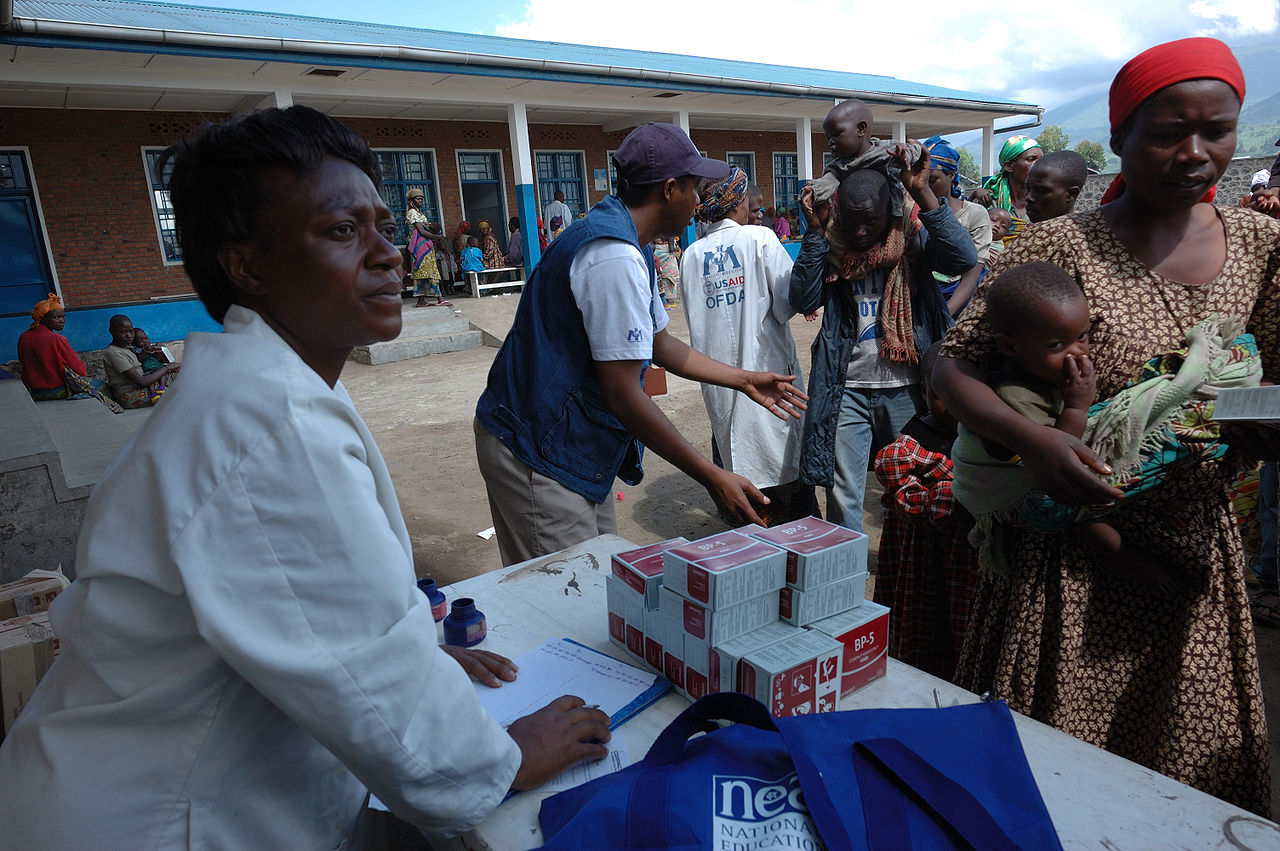
Humanitarian response refers to the organized efforts to provide emergency assistance and alleviate suffering in the face of disasters, conflicts, and other crises. The United Nations Office for the Coordination of Humanitarian Affairs (UN OCHA) plays a key role in coordinating these responses, working closely with governments, NGOs, and local communities. Effective humanitarian response requires careful planning, swift action, and a commitment to upholding humanitarian principles such as neutrality, impartiality, and independence. The 2010 Haiti earthquake and the 2015 European migrant crisis are examples of complex humanitarian emergencies that required large-scale responses. Humanitarian response also involves addressing the root causes of crises, such as poverty, inequality, and climate change, to prevent future disasters. According to the United Nations, the global humanitarian response plan for 2022 required $41 billion to assist 183 million people in need, with the World Food Programme (WFP) being the largest recipient of funding, highlighting the immense scale and complexity of humanitarian response efforts.
🌎 Introduction to Humanitarian Response
Humanitarian response is a critical aspect of Global Health and Crisis Management, providing essential assistance to individuals affected by Natural Disasters, Refugee Crisis, and Famine. The primary objective of humanitarian aid is to save lives, alleviate suffering, and maintain human dignity. Humanitarian response involves a range of activities, including Disaster Relief, Food Security, and Shelter Provision. According to the United Nations, humanitarian aid is essential for supporting the most vulnerable populations, including the homeless, refugees, and victims of conflict.
👥 Who Needs Humanitarian Aid
Humanitarian aid is typically provided to individuals who are in need of immediate assistance, including the Homeless, Refugees, and victims of Natural Disasters. These individuals often require basic necessities such as Food, Water, Shelter, and Medical Care. Humanitarian response also involves providing support to Internally Displaced Persons and Migrants who are fleeing conflict or persecution. The International Committee of the Red Cross plays a crucial role in providing humanitarian aid to those in need.
🌈 Types of Humanitarian Aid
There are several types of humanitarian aid, including Food Aid, Medical Aid, and Shelter Aid. Humanitarian response also involves providing Psychological Support and Social Services to individuals affected by crisis. The United Nations High Commissioner for Refugees provides critical support to refugees and asylum seekers, including Refugee Resettlement and Integration Services. Additionally, organizations such as Doctors Without Borders provide essential medical care to individuals in crisis-affected areas.
🚨 Crisis Management and Response
Effective Crisis Management and response are critical components of humanitarian response. This involves coordinating with Emergency Response Teams, Government Agencies, and Non-Governmental Organizations to provide timely and effective assistance. The Incident Command System is a widely used framework for managing crisis response efforts. Humanitarian response also requires careful Risk Assessment and Needs Assessment to ensure that aid is targeted and effective. The World Health Organization plays a key role in coordinating global health responses to crisis.
🏥 Global Health Considerations
Global health considerations are a critical aspect of humanitarian response, including the prevention and control of Infectious Diseases and the provision of Essential Health Services. Humanitarian response also involves addressing the Mental Health needs of individuals affected by crisis. The World Food Programme provides critical support to individuals affected by food insecurity, including Food Assistance and Nutrition Support. Additionally, organizations such as UNICEF provide essential support to children and families affected by crisis.
📊 Funding and Resource Allocation
Funding and resource allocation are critical components of humanitarian response, involving the coordination of Donor Agencies, Government Agencies, and Non-Governmental Organizations. The United Nations Office for the Coordination of Humanitarian Affairs plays a key role in coordinating global humanitarian response efforts. Humanitarian response also requires careful Budgeting and Financial Management to ensure that resources are used effectively. The International Federation of Red Cross and Red Crescent Societies provides critical support to national societies responding to crisis.
🤝 International Cooperation and Partnerships
International cooperation and partnerships are essential for effective humanitarian response, involving the coordination of Government Agencies, Non-Governmental Organizations, and International Organizations. The Geneva Conventions provide a critical framework for protecting civilians in conflict-affected areas. Humanitarian response also requires careful Communication and Coordination to ensure that aid is targeted and effective. The United Nations Development Programme provides critical support to countries affected by crisis, including Disaster Risk Reduction and Recovery Efforts.
🌐 Technology and Innovation in Humanitarian Response
Technology and innovation are increasingly important components of humanitarian response, involving the use of Digital Technologies and Data Analysis to improve the effectiveness and efficiency of aid delivery. The United Nations Children's Fund uses innovative technologies, such as Mobile Health, to improve health outcomes for children in crisis-affected areas. Humanitarian response also involves the use of Unmanned Aerial Vehicles and Satellite Imagery to support Needs Assessment and Damage Assessment. Additionally, organizations such as Google Crisis Map provide critical support to crisis response efforts.
📈 Measuring Success and Impact
Measuring the success and impact of humanitarian response is critical, involving the use of Indicators and Evaluation Frameworks to assess the effectiveness of aid delivery. The Sphere Project provides a widely used framework for measuring the quality and effectiveness of humanitarian response. Humanitarian response also requires careful Monitoring and Reporting to ensure that aid is targeted and effective. The United Nations Office for the Coordination of Humanitarian Affairs provides critical support to humanitarian response efforts, including Situation Reports and Needs Assessment.
👉 Getting Involved in Humanitarian Response
Getting involved in humanitarian response requires a range of skills and expertise, including Emergency Response, Disaster Relief, and Humanitarian Aid. Individuals can get involved by volunteering with Non-Governmental Organizations, such as the Red Cross, or by donating to Humanitarian Funds. Humanitarian response also requires careful Training and Capacity Building to ensure that individuals are equipped to respond effectively to crisis. The United Nations Volunteers program provides opportunities for individuals to get involved in humanitarian response efforts.
Key Facts
- Year
- 2022
- Origin
- United Nations General Assembly, 1946
- Category
- Global Health and Crisis Management
- Type
- Global Crisis Management System
Frequently Asked Questions
What is humanitarian response?
Humanitarian response is a critical aspect of Global Health and Crisis Management, providing essential assistance to individuals affected by Natural Disasters, Refugee Crisis, and Famine. The primary objective of humanitarian aid is to save lives, alleviate suffering, and maintain human dignity. Humanitarian response involves a range of activities, including Disaster Relief, Food Security, and Shelter Provision.
Who needs humanitarian aid?
Humanitarian aid is typically provided to individuals who are in need of immediate assistance, including the Homeless, Refugees, and victims of Natural Disasters. These individuals often require basic necessities such as Food, Water, Shelter, and Medical Care. Humanitarian response also involves providing support to Internally Displaced Persons and Migrants who are fleeing conflict or persecution.
What are the types of humanitarian aid?
There are several types of humanitarian aid, including Food Aid, Medical Aid, and Shelter Aid. Humanitarian response also involves providing Psychological Support and Social Services to individuals affected by crisis. The United Nations High Commissioner for Refugees provides critical support to refugees and asylum seekers, including Refugee Resettlement and Integration Services.
How can I get involved in humanitarian response?
Getting involved in humanitarian response requires a range of skills and expertise, including Emergency Response, Disaster Relief, and Humanitarian Aid. Individuals can get involved by volunteering with Non-Governmental Organizations, such as the Red Cross, or by donating to Humanitarian Funds. Humanitarian response also requires careful Training and Capacity Building to ensure that individuals are equipped to respond effectively to crisis.
What is the role of technology in humanitarian response?
Technology and innovation are increasingly important components of humanitarian response, involving the use of Digital Technologies and Data Analysis to improve the effectiveness and efficiency of aid delivery. The United Nations Children's Fund uses innovative technologies, such as Mobile Health, to improve health outcomes for children in crisis-affected areas. Humanitarian response also involves the use of Unmanned Aerial Vehicles and Satellite Imagery to support Needs Assessment and Damage Assessment.
How is the success of humanitarian response measured?
Measuring the success and impact of humanitarian response is critical, involving the use of Indicators and Evaluation Frameworks to assess the effectiveness of aid delivery. The Sphere Project provides a widely used framework for measuring the quality and effectiveness of humanitarian response. Humanitarian response also requires careful Monitoring and Reporting to ensure that aid is targeted and effective.
What is the role of international cooperation in humanitarian response?
International cooperation and partnerships are essential for effective humanitarian response, involving the coordination of Government Agencies, Non-Governmental Organizations, and International Organizations. The Geneva Conventions provide a critical framework for protecting civilians in conflict-affected areas. Humanitarian response also requires careful Communication and Coordination to ensure that aid is targeted and effective.