
Contents
Overview
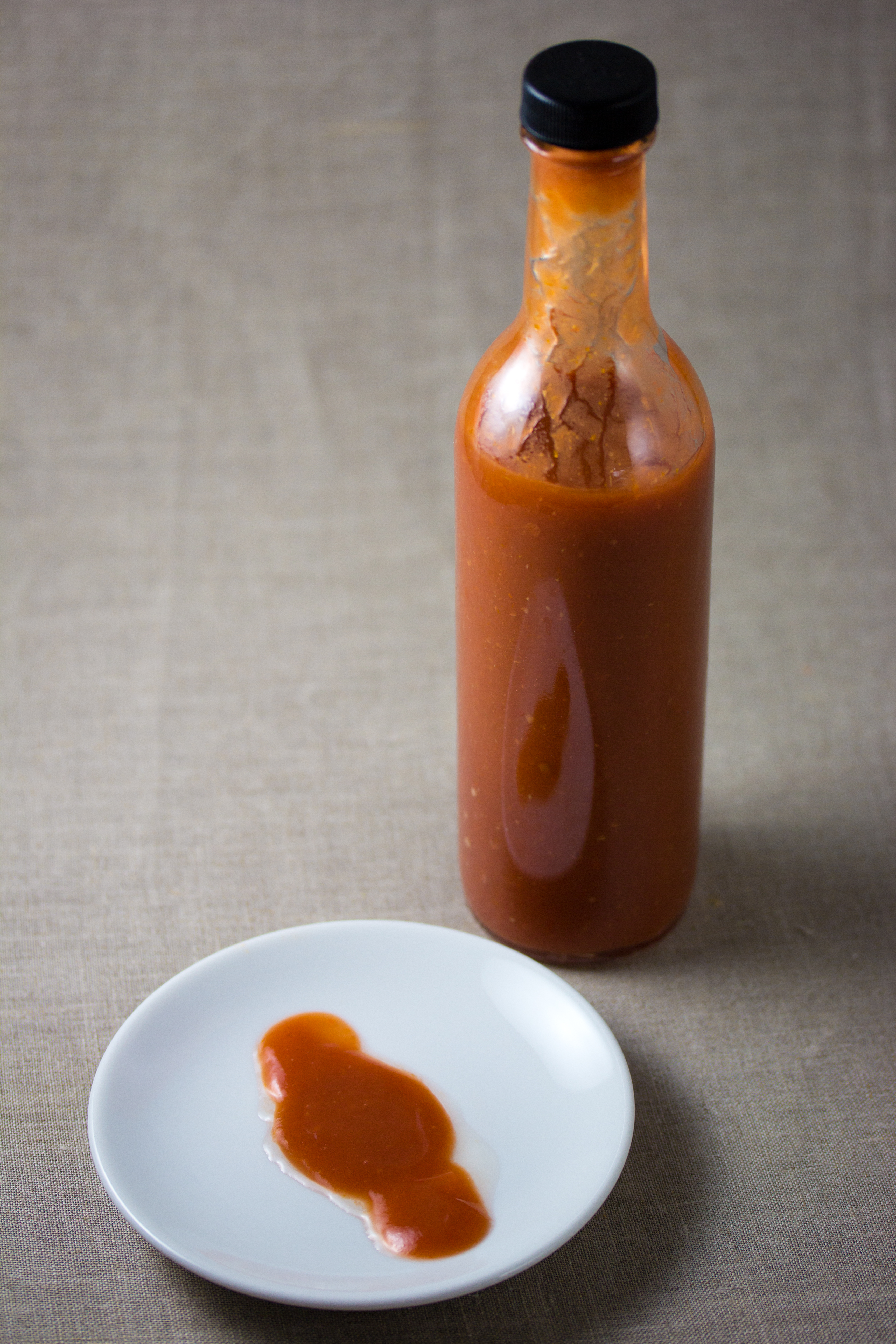
Hot sauce is a ubiquitous condiment derived from chili peppers, vinegar, and various spices, celebrated for its ability to add heat and complex flavor to an astonishing array of dishes. Its origins trace back to ancient Mesoamerica, where indigenous peoples first cultivated chili peppers and developed early forms of spicy sauces. Today, the global hot sauce market is a multi-billion dollar industry, encompassing everything from mass-produced staples like Tabasco Sauce and Sriracha to artisanal creations featuring rare peppers like the Carolina Reaper. Beyond mere seasoning, hot sauce has become a cultural phenomenon, fostering passionate communities, influencing culinary trends, and even inspiring competitive eating challenges, demonstrating its profound impact on global gastronomy and consumer culture.
🎵 Origins & History
The story of hot sauce is inextricably linked to the domestication of chili peppers. Early civilizations like the Olmecs and Maya cultivated various Capsicum species, using them not only for culinary purposes but also for medicinal and ritualistic applications. Chili peppers were introduced to Europe, Africa, and Asia, where they were integrated into local cuisines, leading to the development of regional hot sauce traditions. The commercialization of hot sauce truly took off in the late 19th century with the introduction of Tabasco Sauce, establishing a blueprint for mass-produced, vinegar-based pepper sauces that would dominate the market for decades.
⚙️ How It Works
At its core, hot sauce production involves the maceration and often fermentation of chili peppers, typically combined with a liquid base and flavorings. The heat in hot sauce is primarily derived from compounds called capsaicinoids, with capsaicin being the most abundant. Peppers are usually chopped or blended, then mixed with vinegar, which acts as a preservative and provides acidity, or water for a less acidic profile. Fermentation, a process where microorganisms break down sugars into acids and alcohol, can deepen flavor complexity and enhance shelf life, a technique employed by many artisanal producers and traditional recipes. Other common ingredients include salt, garlic, onions, fruits, and a diverse array of spices, all contributing to the unique flavor profile of each sauce. The final product is often strained to achieve desired consistency, ranging from thin and pourable to thick and chunky, and then bottled, sometimes after pasteurization to ensure stability.
📊 Key Facts & Numbers
The global hot sauce market is a colossal enterprise. In the United States alone, over 70% of households regularly consume hot sauce, with the average American consuming approximately 3 bottles per year. The Sriracha phenomenon, popularized by David Tran's Huy Fong Foods, saw sales skyrocket. The Carolina Reaper registers over 1.5 million Scoville Heat Units (SHU) on average, a stark contrast to the mild bell pepper's 0 SHU. The market is segmented, with the North American region holding the largest market share, accounting for over 35% of global sales.
👥 Key People & Organizations
While the history of hot sauce is ancient, several individuals and organizations have shaped its modern landscape. Edmund McIlhenny is credited with creating the iconic Tabasco Sauce, a brand that remains a global leader. David Tran, founder of Huy Fong Foods, revolutionized the market with his Sriracha sauce, transforming it from a niche ethnic condiment to a mainstream staple. Beyond these titans, countless small-batch producers and chiliheads, such as Sean Foster of Puckerbutt Pepper Company (creators of the Carolina Reaper), drive innovation. Organizations like the American Chili Council advocate for chili pepper growers and producers, while online communities and forums dedicated to chiliheads foster a passionate subculture around extreme heat and unique flavor profiles.
🌍 Cultural Impact & Influence
Hot sauce has transcended its role as a mere condiment to become a significant cultural touchstone. It fuels a vibrant online community, with countless blogs, YouTube channels, and social media groups dedicated to reviewing sauces, sharing recipes, and debating the merits of different peppers and brands. Competitive hot sauce challenges, often featuring extreme heat levels, have become a popular form of entertainment, drawing millions of viewers. The influence of hot sauce is evident in mainstream media, from cooking shows that feature artisanal hot sauces to pop culture references in music and film. It has also become a symbol of culinary adventure and personal expression, with individuals often curating collections of sauces that reflect their taste for heat and flavor complexity, mirroring the diverse global influences that have shaped its evolution.
⚡ Current State & Latest Developments
The hot sauce industry in 2024 is characterized by explosive growth and diversification. Artisanal producers continue to proliferate, experimenting with exotic ingredients, unique fermentation techniques, and rare pepper varietals like the Aji Charapita and Ghost Pepper. The demand for healthier, natural, and low-sodium options is also on the rise, pushing brands to reformulate and innovate. Major players like McCormick & Company are acquiring smaller, trending hot sauce brands to capture market share, while direct-to-consumer sales through e-commerce platforms are booming. Furthermore, the integration of hot sauce into global cuisines, from Korean gochujang to Mexican mole sauces, highlights its adaptability and enduring appeal. The trend towards 'heat and flavor' over 'just heat' is solidifying, with consumers seeking nuanced taste profiles alongside their preferred spice levels.
🤔 Controversies & Debates
The primary controversy surrounding hot sauce often revolves around extreme heat levels and their potential health implications. While some enthusiasts chase the thrill of consuming super-hot peppers, medical professionals caution about risks ranging from digestive distress to more severe reactions, particularly for individuals with pre-existing conditions. Another debate centers on the authenticity and labeling of 'artisanal' or 'craft' hot sauces, with questions arising about production scale, ingredient sourcing, and the true definition of small-batch production. The environmental impact of large-scale chili pepper cultivation, including water usage and pesticide application, also presents a growing concern for conscious consumers and producers alike. Furthermore, debates persist regarding the cultural appropriation of traditional hot sauce recipes as they are adapted and marketed by Western brands.
🔮 Future Outlook & Predictions
The future of hot sauce appears to be one of continued innovation and global expansion. We can anticipate a greater emphasis on sustainable sourcing and production methods, driven by consumer demand for eco-conscious products. The exploration of novel pepper varietals and unique flavor pairings, perhaps incorporating ingredients like truffles, exotic fruits, or even insect protein, is likely to intensify. Expect to see more hot sauces designed for specific culinary applications, moving beyond general-purpose condiments to complement particular dishes or cuisines. The rise of personalized nutrition and functional foods may also lead to hot sauces fortified with probiotics, vitamins, or other health-boosting additives. Furthermore, the metaverse and virtual reality could offer new avenues for hot sauce experiences, from virtual tasting rooms to digital collectibles for enthusiasts.
💡 Practical Applications
Hot sauce's applications extend far beyond simply spicing up eggs or tacos. It's a critical component in marinades for meats and vegetables, adding depth and a kick to grilled or roasted dishes. In cocktails, a dash of hot sauce can create complex flavor profiles, as seen in variations of the Bloody Mary. It's used to enhance soups, stews, and chilis, providing a warming sensation and balancing rich flavors. Chefs employ hot sauce in salad dressings and dips to add a zesty counterpoint to creamy or savory bases. Even in desserts, certain hot sauces, particularly those with fruity or chocolate notes, can be used sparingly to create intriguing sweet-and-spicy combinations. Its versatility makes it an indispensable tool in both home kitchens and professional culinary settings worldwide.
Key Facts
- Category
- culture
- Type
- topic