
Contents
Overview
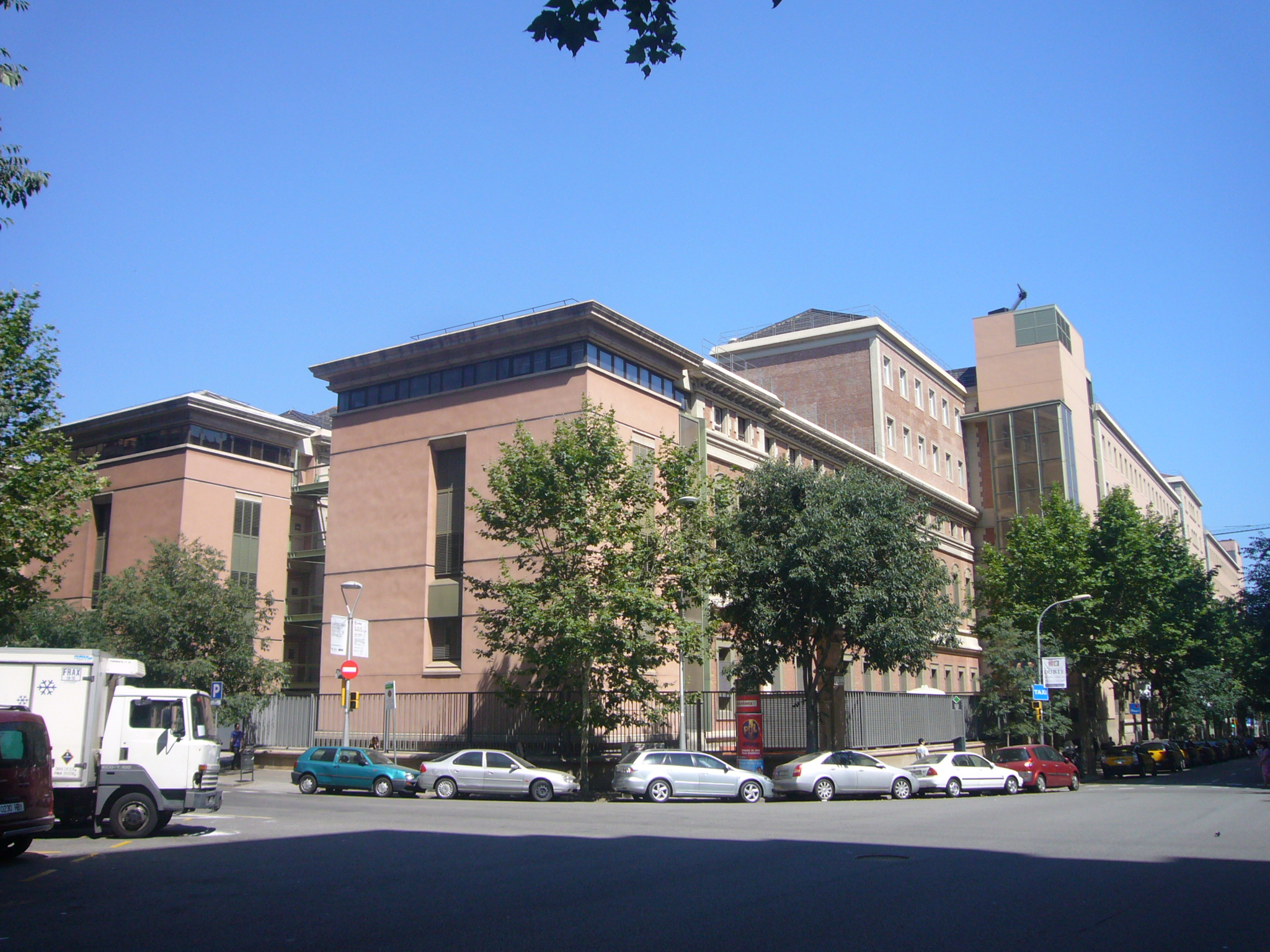
The genesis of the Hospital Clínic de Barcelona traces back to 1906. Many of its first patients were transferred from the Hospital de la Santa Creu, marking a significant transition in Barcelona's medical landscape. Its establishment was a deliberate effort to create a modern, university-affiliated institution dedicated to both patient care and advanced medical training. From its inception, it was envisioned as a hub for medical progress, integrating clinical practice with academic rigor. The hospital's location in the Eixample district, a vibrant urban center, further cemented its role as a vital community resource. Its early years were characterized by a commitment to expanding its services and solidifying its reputation as a leading medical facility in Catalonia and beyond.
⚙️ How It Works
As a leading university hospital, the Hospital Clínic de Barcelona operates on a tripartite model: patient care, medical research, and teaching. Its clinical services span virtually all medical and surgical specialties, equipped with advanced diagnostic and therapeutic technologies. The hospital serves as a crucial training ground for medical students, residents, and fellows from the University of Barcelona, providing hands-on experience within a complex healthcare environment. Research is conducted across numerous departments, focusing on areas like oncology, cardiology, neurology, and infectious diseases. This integrated approach ensures that patient care benefits from the latest scientific discoveries, while research is informed by real-world clinical challenges. The hospital's affiliation with the Catalan Health Service ensures its services are accessible to the public, forming a critical node in the regional healthcare network.
📊 Key Facts & Numbers
The Hospital Clínic de Barcelona boasts an impressive track record of recognition. It has been awarded by IASIST for 10 consecutive years as a top 20 hospital in Spain, a testament to its sustained quality of care. A private study in 2009 ranked it among the top four national and regional hospitals in Spain, encompassing both public and private entities. In a significant global acknowledgment, Newsweek ranked it as the best hospital in Spain and one of the top 25 in the world in 2020. The hospital handles approximately 50,000 inpatient admissions annually and sees over 500,000 outpatient visits, underscoring its immense operational scale. Its research output is substantial, with thousands of scientific publications appearing each year in peer-reviewed journals, contributing to a global knowledge base of over 1,000 active research projects.
👥 Key People & Organizations
Key figures instrumental to the Hospital Clínic de Barcelona's legacy include its early architects and subsequent leaders who championed its academic and clinical mission. While specific founding individuals are less publicly highlighted than the institution itself, its continuous development has been shaped by generations of medical professionals and administrators. It functions as a vital component of the University of Barcelona's Faculty of Medicine, working in close partnership with its academic staff. The hospital is also affiliated with Barnaclínic, a private entity that offers specialized medical services. Its operational framework is overseen by the Catalan Health Service, which manages public healthcare provision in Catalonia. Numerous leading physicians and researchers, such as Josep Maria Catalan (former director) and Joan Mascaró Fort (former director), have guided its trajectory through critical periods of growth and innovation.
🌍 Cultural Impact & Influence
The Hospital Clínic de Barcelona's influence extends far beyond its physical walls, shaping medical practice and public health awareness across Catalonia and Spain. Its consistent high rankings by organizations like Newsweek and IASIST have elevated the perception of Spanish healthcare on a global stage. The hospital's research output, disseminated through countless scientific publications and international conferences, directly contributes to the global medical knowledge base, influencing treatment protocols and diagnostic techniques worldwide. Furthermore, its role as a teaching hospital ensures a continuous influx of highly trained medical professionals into the workforce, many of whom go on to lead departments and institutions elsewhere. The hospital's commitment to public health initiatives and patient education also plays a significant role in fostering a healthier society, impacting community well-being through accessible information and advanced care.
⚡ Current State & Latest Developments
As of 2024, the Hospital Clínic de Barcelona remains at the forefront of medical innovation. It is actively involved in numerous clinical trials for cutting-edge treatments, particularly in areas like gene therapy and personalized medicine. The institution is also a major participant in the development and implementation of artificial intelligence in healthcare, utilizing AI for diagnostics, predictive analytics, and optimizing patient flow. Recent developments include significant investments in upgrading its facilities and expanding its research infrastructure, aiming to further enhance its capabilities in complex surgeries and specialized treatments. The hospital continues to be a critical hub for managing public health crises, as demonstrated by its role during the COVID-19 pandemic. Its ongoing collaboration with the University of Barcelona ensures a steady stream of research breakthroughs and highly skilled graduates entering the medical field.
🤔 Controversies & Debates
The Hospital Clínic de Barcelona, while widely lauded, is not without its points of contention. As a major public institution, it faces ongoing debates regarding resource allocation and waiting times for certain non-urgent procedures, a common challenge for large public healthcare systems like the Catalan Health Service. Discussions also arise concerning the balance between public service and the hospital's private arm, Barnaclínic, and how this impacts accessibility and resource distribution. Ethical considerations surrounding advanced medical research, particularly in areas like genetic engineering and experimental treatments, are also subjects of continuous dialogue and regulatory oversight. Furthermore, like many large hospitals, it navigates the complexities of managing a diverse patient population with varying needs and socioeconomic backgrounds, prompting discussions on equitable care delivery.
🔮 Future Outlook & Predictions
The future trajectory of the Hospital Clínic de Barcelona appears robust, with a clear focus on embracing technological advancements and expanding its research frontiers. Projections indicate continued investment in digital health solutions, including telemedicine and AI-driven diagnostics, to enhance efficiency and patient access. The hospital is expected to play an increasingly significant role in international medical research collaborations, potentially leading major European consortia in areas like cancer genomics and neurodegenerative diseases. Expansion of its specialized treatment centers, particularly for rare diseases and complex surgical interventions, is also anticipated. By 2030, the hospital aims to further solidify its position as a global leader in medical innovation and patient-centered care, potentially influencing healthcare policy and practice across the Mediterranean region and beyond.
💡 Practical Applications
The practical applications of the Hospital Clínic de Barcelona's work are vast and touch numerous aspects of modern medicine. Its advanced surgical departments perform complex procedures, from organ transplants to intricate neurosurgeries, often pioneering new techniques. The hospital's research into new pharmaceuticals and therapies, supported by entities like AstraZeneca and Pfizer through collaborations, directly leads to new treatments available to patients globally. Its diagnostic imaging centers utilize sta
Key Facts
- Category
- organizations
- Type
- topic