
Contents
Overview
The practice of evaluating horse structure dates back to antiquity, with ancient Greek and Roman texts discussing ideal equine proportions for warfare and sport. Early breeders recognized that certain physical traits correlated with speed, strength, and endurance. The Renaissance saw a resurgence of interest in horsemanship, with figures like Niccolo Fagiuoli in Italy documenting detailed observations on equine anatomy and movement in the 16th century. By the 19th century, breed registries and agricultural societies began codifying standards, formalizing what had largely been empirical knowledge passed down through generations of horsemen. The development of veterinary science in the late 19th and early 20th centuries provided a more scientific underpinning, allowing for a deeper understanding of how skeletal and muscular structures function and fail. This historical evolution from anecdotal observation to scientific inquiry forms the bedrock of modern conformation analysis.
⚙️ How It Works
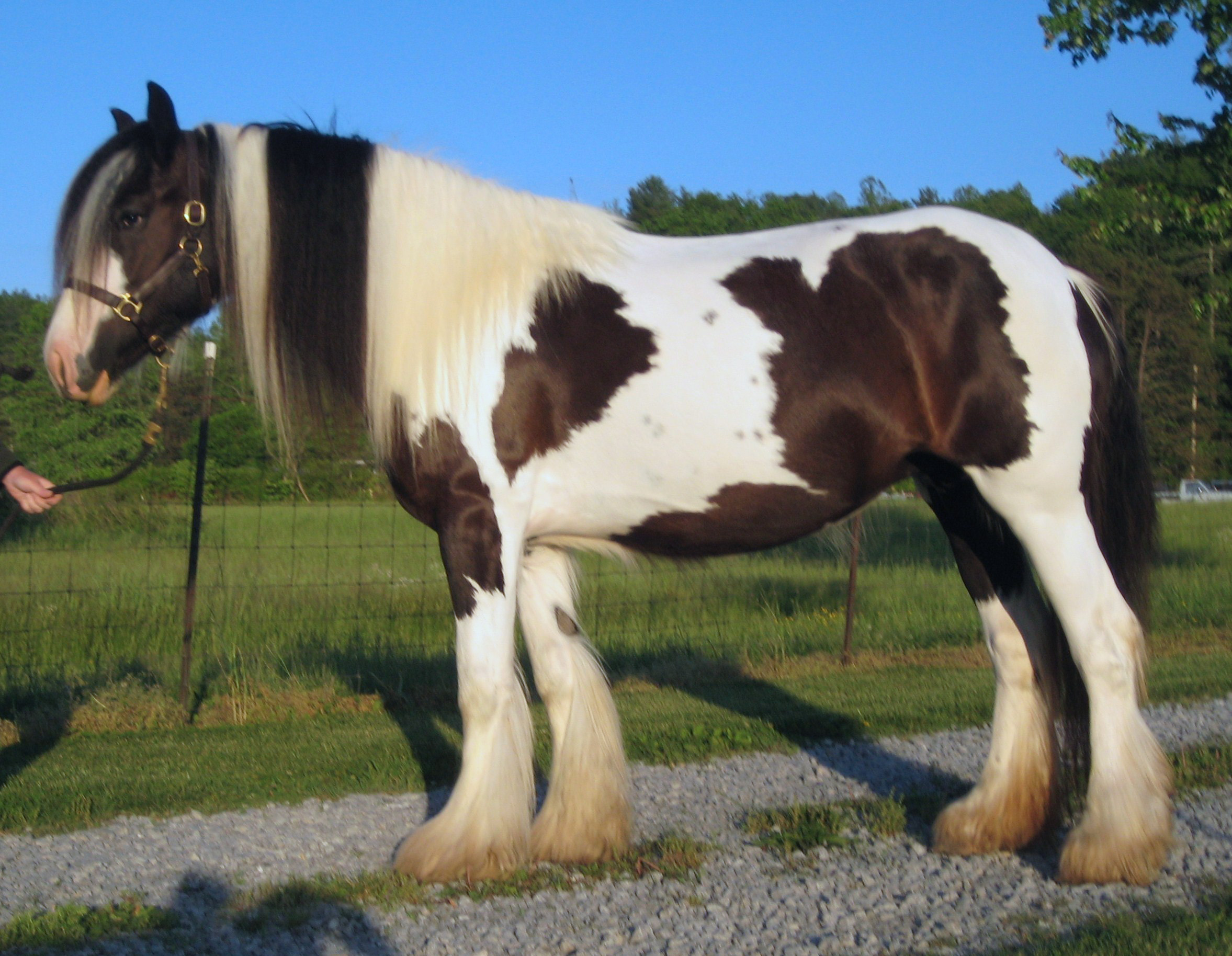
Conformation analysis involves a meticulous visual assessment of the horse from multiple angles, typically standing on a level surface. Key areas examined include the head, neck, shoulder, foreleg, body (including back, loin, and barrel), hindquarters, and hind legs. Each component is evaluated for balance, proportion, and symmetry. For instance, the angle of the shoulder influences the length of the stride, while the slope of the hip and the angulation of the hock are critical for power generation. Judges and evaluators look for correct bone structure, adequate muscling, and proper joint alignment to predict soundness and athletic capability. The assessment extends to how these parts work together in motion, observing gait quality, athleticism, and efficiency. This holistic approach ensures that a horse's physical makeup is understood not just in static terms, but in its dynamic functional capacity.
📊 Key Facts & Numbers
The ideal hind leg conformation, particularly the hock angle, is crucial for power. In racing, a difference of even 1-2% in stride efficiency, often dictated by conformation, can translate to seconds shaved off a race time, impacting earnings by hundreds of thousands of dollars. For breeding, studies indicate that certain conformational traits can increase the heritability of soundness.
👥 Key People & Organizations
Key figures in horse conformation analysis include Henry Dewar Willoughby, whose 1900s work on the 'Breeding of the Horse' detailed anatomical assessments. More contemporary figures like Dr. Rick Redden, a veterinarian and author, have significantly advanced understanding of biomechanics and conformation's link to soundness, particularly in performance horses. Organizations such as the American Quarter Horse Association (AQHA) and the Jockey Club have established detailed breed standards and conformation guidelines that influence breeding and evaluation practices worldwide. Veterinary associations, like the American Veterinary Medical Association (AVMA), also play a role through research and educational initiatives that inform conformation assessment.
🌍 Cultural Impact & Influence
Horse conformation analysis profoundly influences the global equine industry, shaping breeding decisions, purchasing strategies, and training methodologies. It underpins the valuation of horses, with superior conformation often commanding significantly higher prices for top prospects. The aesthetic ideals derived from conformation analysis also influence the visual representation of horses in media, art, and popular culture, creating archetypes of equine beauty and athleticism. For disciplines like show jumping and dressage, specific conformational traits are highly prized, driving breeding programs to select for these characteristics, sometimes at the expense of other desirable qualities. This focus can lead to the widespread adoption of certain 'types' of horses, impacting breed diversity.
⚡ Current State & Latest Developments
The current state of horse conformation analysis is increasingly integrating technology. Digital photography, 3D scanning, and motion capture systems are being used to provide more objective and detailed assessments than traditional visual inspection alone. Biomechanical modeling software, developed by companies like Equine Motion Analysis, can predict stress points and movement patterns based on a horse's physical measurements. Furthermore, genetic testing is beginning to identify markers associated with certain conformational traits and soundness issues, offering a complementary layer of information for breeders. The ongoing research by veterinary biomechanics labs at institutions like the University of California, Davis continues to refine our understanding of how structure dictates function and longevity.
🤔 Controversies & Debates
One of the most persistent debates revolves around the subjectivity versus objectivity of conformation assessment. While standardized measurements and biomechanical data aim for objectivity, the interpretation of these findings and the weighting of different traits can still be influenced by individual preferences, breed standards, and the intended discipline. For example, a conformation ideal for a Thoroughbred racehorse might be considered less desirable for a Gypsy Vanner draft horse. Another controversy concerns the potential for breeding for extreme conformation traits to compromise soundness, a practice sometimes seen in certain performance breeds where exaggerated physical attributes are prioritized over long-term health. The ethical implications of selecting for traits that may predispose a horse to injury are a recurring point of contention among veterinarians, breeders, and welfare advocates.
🔮 Future Outlook & Predictions
The future of horse conformation analysis will likely see a greater fusion of traditional assessment with advanced technologies. Predictive analytics, powered by AI and machine learning, could analyze vast datasets of conformational measurements, performance records, and injury histories to provide highly accurate predictions of athletic potential and soundness. Genetic screening for soundness-related conformational predispositions will become more commonplace, allowing breeders to make more informed decisions. We may also see the development of standardized digital assessment protocols that allow for remote evaluation of conformation, democratizing access to expert analysis. The ultimate goal is to move towards a more holistic, data-informed approach that maximizes a horse's potential for a long, healthy, and successful career, whatever its discipline.
💡 Practical Applications
Horse conformation analysis is crucial in numerous practical applications. For prospective buyers, it's a vital tool for assessing a horse's suitability for their needs and identifying potential future health issues, thereby mitigating financial risk. In breeding, it guides selection decisions, aiming to produce offspring with improved athletic capabilities and soundness. For trainers and veterinarians, understanding conformation helps in designing appropriate training regimens, identifying the root causes of lameness, and developing effective rehabilitation plans. It's also used in equine insurance assessments to determine risk factors and premiums. Even in disciplines like equine photography and art, an appreciation for conformation influences how horses are presented and perceived.
Key Facts
- Category
- aesthetics
- Type
- topic