
Contents
Overview
The story of Himalayan pink salt is inextricably linked to the ancient geological formations of the Salt Range mountains in Pakistan. The primary source, the Khewra Salt Mine, is a significant salt mine in the region. While salt extraction in the region has a long history, possibly dating back to Alexander the Great's campaigns in 320 BCE, the modern commercialization and global branding of "Himalayan pink salt" as a distinct product largely took off in the late 20th and early 21st centuries. This shift transformed a local commodity into a sought-after global wellness and culinary ingredient, driven by marketing narratives emphasizing purity and mineral content.
⚙️ How It Works
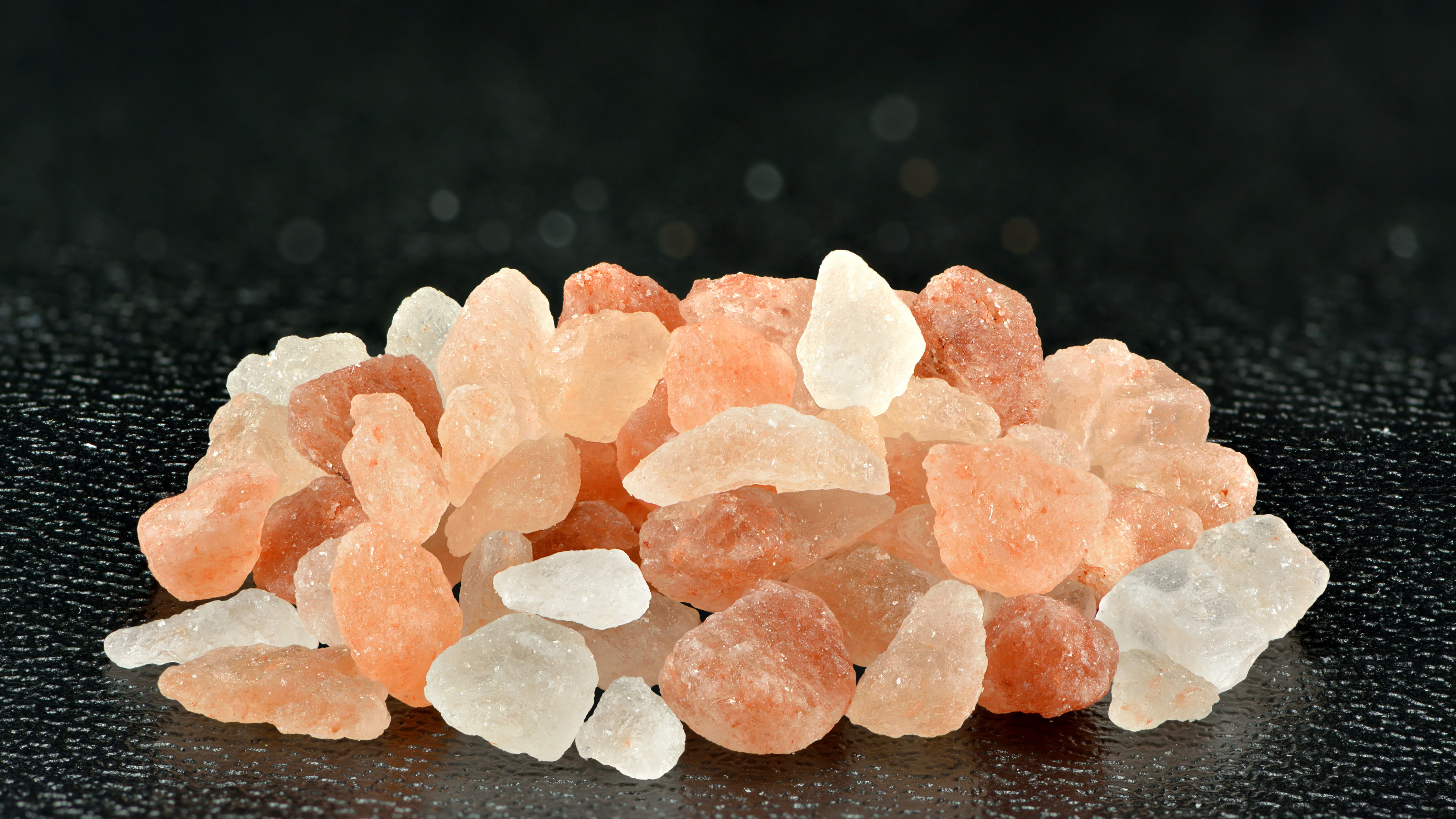
Himalayan pink salt is essentially a form of halite (sodium chloride, NaCl) that has been subjected to immense geological pressure over millennia. The characteristic pink, red, or orange coloration arises from the presence of various trace minerals, most notably iron oxide, which gives it its reddish hue. Other minerals and elements, such as potassium, magnesium, calcium, and sulfur, are also present in varying, albeit minute, quantities. Unlike refined table salt, which is typically purified to over 99% sodium chloride and often fortified with iodine and anti-caking agents, Himalayan pink salt retains a more complex mineral profile. The crystalline structure is formed under extreme pressure within the earth, resulting in a unique texture and a less intensely salty flavor profile compared to highly processed salts.
📊 Key Facts & Numbers
The global market for Himalayan pink salt is substantial. The Khewra Salt Mine produces a significant amount of salt per year. The retail price for Himalayan pink salt can be considerably higher than that of standard table salt, reflecting its perceived premium status. Globally, it is estimated that a large portion of consumers in developed nations are aware of Himalayan pink salt, with a significant portion purchasing it regularly for culinary or decorative purposes. The mineral content typically ranges from 95% to 98% sodium chloride, with the remaining 2% to 5% comprising trace minerals.
👥 Key People & Organizations
Key figures in the history and promotion of Himalayan pink salt include the miners of the Khewra Salt Mine, whose labor has been essential for centuries. Modern marketing and distribution have been significantly influenced by various companies and entrepreneurs who capitalized on the wellness trend, such as The Salt Lamp Company and numerous other brands that emerged in the early 2000s. While no single individual is credited with "inventing" it, the widespread adoption is a testament to the collective efforts of Pakistani exporters and global wellness influencers. Organizations like the Geological Survey of Pakistan provide geological data, while regulatory bodies in importing countries, such as the U.S. Food and Drug Administration (FDA), oversee its safety as a food additive.
🌍 Cultural Impact & Influence
Himalayan pink salt has permeated global culture, becoming a symbol of natural wellness and artisanal cooking. Its visual appeal has made it a staple in food photography and restaurant presentations, often seen as a gourmet finishing salt. The "wellness" narrative, heavily promoted through social media and lifestyle blogs, has cemented its status in the health food market, influencing trends in diet and home decor. The iconic pink salt lamps, carved from large blocks of salt, have become a common sight in yoga studios, spas, and homes, contributing to a perceived ambiance of tranquility and purity. This cultural integration has also extended to spa treatments, where salt scrubs and baths are marketed for their supposed detoxifying properties.
⚡ Current State & Latest Developments
The current market for Himalayan pink salt remains robust, driven by sustained consumer interest in natural and minimally processed foods. However, the industry faces ongoing scrutiny regarding its environmental impact, particularly concerning mining practices and the carbon footprint associated with global transportation. Companies are increasingly focusing on sustainable sourcing and ethical labor practices to address these concerns. Innovations in product form, such as pre-formed salt blocks for cooking and finely ground salt for everyday use, continue to expand its market reach. The rise of direct-to-consumer e-commerce platforms has further facilitated access for consumers worldwide.
🤔 Controversies & Debates
The most significant controversy surrounding Himalayan pink salt centers on health claims. While proponents tout benefits ranging from improved hydration and sleep to balancing pH levels and detoxifying the body, these assertions are largely unsubstantiated by rigorous scientific research. Major health organizations and nutritionists often point out that the mineral content, while present, is too low to offer significant health advantages over a balanced diet. Critics argue that the marketing of these unproven benefits is misleading and exploits consumer desire for quick health fixes. Debates exist regarding the actual mineral composition, with some analyses showing minimal differences from other natural sea salts, and concerns about potential contaminants like microplastics in some samples have also surfaced.
🔮 Future Outlook & Predictions
The future of Himalayan pink salt will likely be shaped by a growing demand for transparency and scientific validation. As consumers become more discerning, the industry may shift towards more evidence-based marketing, focusing on its culinary qualities and unique mineral profile rather than unsubstantiated health claims. Innovations in sustainable mining and packaging could also become key differentiators. The potential for increased competition from other mineral-rich salts, such as Fleur de Sel or Black Lava Salt, may also influence market dynamics. Experts predict continued growth, but with a greater emphasis on authenticity and verifiable benefits, potentially leading to a more nuanced understanding of its value beyond the "pink" mystique.
💡 Practical Applications
Himalayan pink salt finds diverse practical applications. In the kitchen, it's used as a direct substitute for table salt, a finishing salt for dishes, and even as a heated surface for searing meats and vegetables, imparting a subtle mineral flavor. Its aesthetic qualities lend themselves to decorative lamps, which proponents claim emit negative ions to purify air, though this effect is debated. In the spa industry, it's incorporated into salt scrubs, bath soaks, and salt rooms, marketed for exfoliation and relaxation. Its crystalline structure also makes it suitable for decorative purposes, such as in terrariums or as a component in artisanal soaps and candles. The salt's unique properties have also led to its use in some industrial applications, though these are less common than culinary or decorative uses.
Key Facts
- Category
- nature
- Type
- product