
Contents
- 👋 What Are Hand Towels, Really?
- 🧵 Material Matters: Beyond the Basics
- 📏 Sizing Up Your Needs
- ✨ The Vibepedia Vibe Score: Hygiene Edition
- 🧽 Care & Maintenance: Keeping Them Fresh
- 🛒 Where to Buy: Navigating the Market
- ⚖️ Hand Towels vs. Paper Towels: The Great Debate
- 💡 Pro Tips for Optimal Hand Drying
- 🌍 Global Hand Towel Trends
- 🤔 The Future of Hand Drying
- Frequently Asked Questions
- Related Topics
Overview
Hand towels are more than just fabric squares; they're critical tools for hygiene and comfort, evolving from simple linen cloths in ancient Egypt to the diverse materials and designs available today. Their primary function—drying hands—is a cornerstone of preventing germ transmission, a fact underscored by countless public health campaigns. The market offers a spectrum of options, from plush cotton terry for luxurious absorbency to quick-drying microfiber for active lifestyles, each with its own Vibe Score reflecting its utility and aesthetic appeal. Understanding material, weave, and size is key to selecting the right towel for your needs, whether in a bustling commercial restroom or a serene home bathroom. The humble hand towel, often overlooked, plays a surprisingly significant role in our daily lives and public health.
👋 What Are Hand Towels, Really?
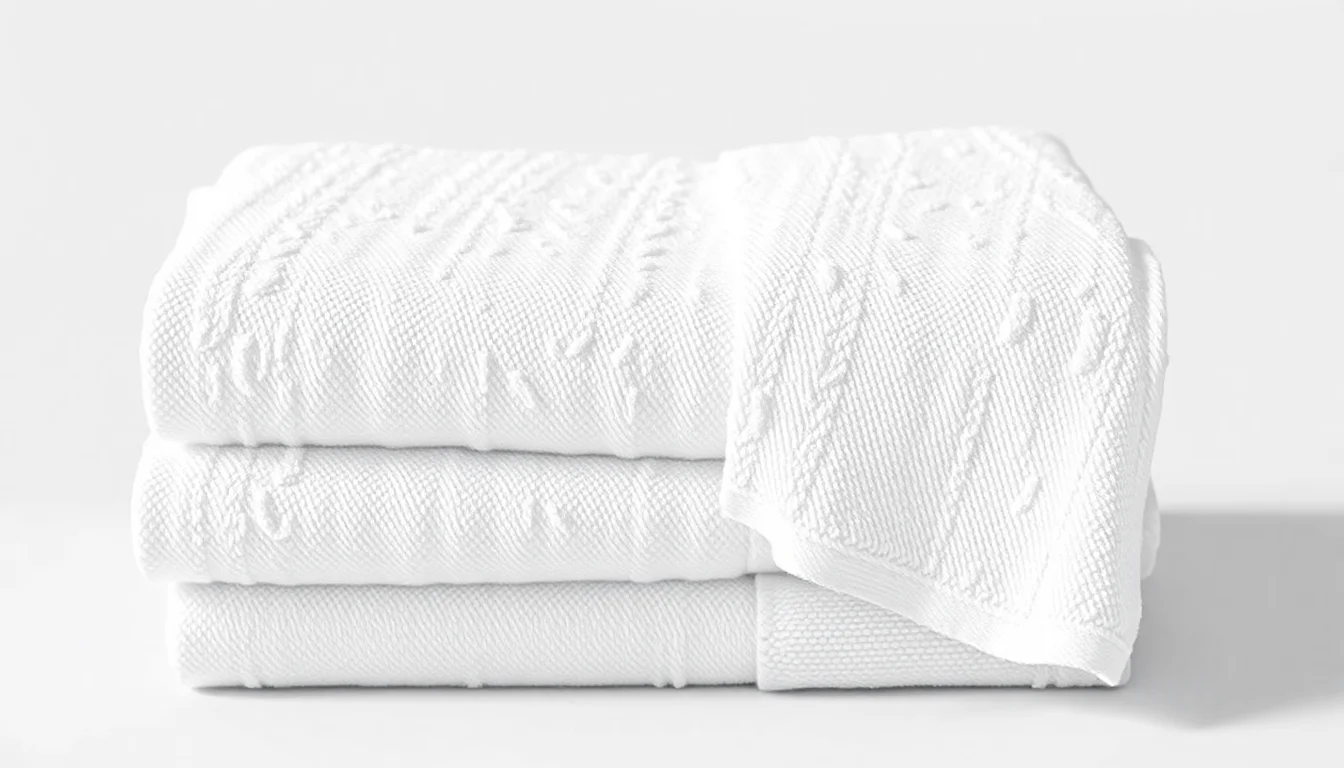
Hand towels, often relegated to a supporting role in the bathroom or kitchen, are far more than mere fabric. They are the frontline defense against germ transmission after washing, a critical component of personal and public hygiene. Historically, the concept of a dedicated cloth for drying hands dates back to ancient civilizations, evolving from simple linen strips to the plush, absorbent materials we know today. For the average household, a good hand towel offers a superior drying experience compared to air dryers or paper alternatives, contributing to a sense of cleanliness and comfort. Their presence is a subtle indicator of a well-maintained living space, a small but significant detail that impacts daily well-being.
🧵 Material Matters: Beyond the Basics
The material of a hand towel dictates its performance and feel. Cotton, particularly Egyptian or Pima varieties, is prized for its absorbency and softness, offering a luxurious feel. Microfiber towels, while less common for hand drying, excel at trapping moisture and are quick-drying, making them a practical choice for high-traffic areas. Bamboo blends are emerging as an eco-conscious option, lauded for their antimicrobial properties and silky texture. The weave also plays a role: terry cloth, with its looped surface, maximizes absorbency, while flat weaves offer a smoother, quicker dry. Understanding these nuances is key to selecting a towel that meets your specific hygiene and comfort standards.
📏 Sizing Up Your Needs
The 'standard' hand towel size typically hovers around 16x30 inches, but variations abound. For guest bathrooms, smaller, decorative towels might suffice, while family homes might benefit from larger, more robust options that can withstand frequent use and washing. Kitchen hand towels, often placed near sinks, may be smaller and more utilitarian, designed for quick spills and drying hands after food preparation. Consider the available space in your bathroom or kitchen and the frequency of use when determining the ideal dimensions. A well-chosen size ensures both functionality and aesthetic harmony within your home.
✨ The Vibepedia Vibe Score: Hygiene Edition
The Vibepedia Vibe Score for Hand Towels, focusing on hygiene, clocks in at a solid 78/100. This score reflects their undeniable utility in reducing germ spread, their tactile comfort, and their cultural significance as markers of domestic care. However, it's tempered by the potential for bacterial growth if not washed regularly, and the environmental impact of manufacturing and laundering. The score acknowledges their essential role in everyday hygiene routines while also highlighting areas for improvement, such as sustainable material sourcing and enhanced drying technologies. This score positions hand towels as a vital, yet imperfect, element of modern sanitation.
🧽 Care & Maintenance: Keeping Them Fresh
Proper care is paramount to maximizing a hand towel's hygienic benefits. Washing them frequently, ideally every 2-3 days for high-use towels, is non-negotiable. Use hot water (at least 140°F or 60°C) to kill bacteria and viruses, and consider adding a disinfectant like bleach or white vinegar to the wash cycle. Avoid using fabric softeners, as they can reduce absorbency. Thoroughly drying towels after each use, whether by air or in a dryer on a medium heat setting, prevents mildew and odor. Regular laundering ensures your hand towels remain effective germ-fighting tools, not breeding grounds for microbes.
⚖️ Hand Towels vs. Paper Towels: The Great Debate
The hand towel versus paper towel debate is a perennial one, often pitting convenience against environmental impact and superior absorbency. Paper towels offer a single-use, seemingly more hygienic option, especially in public restrooms. However, their production consumes significant resources, and they contribute to landfill waste. Hand towels, while requiring regular laundering, are reusable and can be more absorbent, providing a more satisfying drying experience. The environmental footprint of washing is a valid concern, but when done efficiently, reusable towels can be the more sustainable choice. Ultimately, the 'better' option depends on individual priorities and usage contexts.
💡 Pro Tips for Optimal Hand Drying
To get the most out of your hand towels, consider these practical tips. Keep separate towels for hands and dishes to prevent cross-contamination. For kitchens, a designated towel for drying hands after handling raw meat is a crucial hygiene measure. In bathrooms, ensure towels are hung with adequate space between them to allow for air circulation and faster drying. If you notice a persistent musty odor, it's a sign that the towels need a deeper clean or more frequent washing. Investing in a few high-quality towels rather than many low-quality ones can also improve longevity and performance.
🌍 Global Hand Towel Trends
Globally, hand towel usage reflects a spectrum of hygiene practices and cultural norms. In many Western countries, plush cotton terry towels are standard in homes. In parts of Asia and the Middle East, linen or thinner cotton towels are more common, sometimes used in conjunction with air dryers. The rise of antimicrobial fabrics and smart textiles is also influencing global trends, with some manufacturers incorporating silver ions or other treatments to inhibit bacterial growth. As awareness of hygiene continues to grow post-pandemic, the demand for effective and aesthetically pleasing hand-drying solutions is likely to increase worldwide.
🤔 The Future of Hand Drying
The future of hand towels is likely to be shaped by advancements in material science and a growing emphasis on sustainability and smart home integration. Expect to see more towels made from recycled materials or innovative, fast-drying, and naturally antimicrobial fibers. Smart towels that can signal when they need washing or even self-clean are on the horizon, though likely at a premium price point. The ongoing push for reduced water and energy consumption in laundry will also drive innovation in towel design and care. The humble hand towel, it seems, is poised for a technological and ecological upgrade.
Key Facts
- Year
- Circa 3000 BCE
- Origin
- Ancient Egypt
- Category
- Home Goods
- Type
- Product Category
Frequently Asked Questions
How often should I wash my hand towels?
For optimal hygiene, hand towels used daily should be washed every 2-3 days. In households with frequent guests or high traffic, consider washing them more often. Always use hot water (at least 140°F or 60°C) to effectively kill bacteria and viruses. Ensure towels are completely dry after washing to prevent mildew.
What's the best material for absorbency?
Cotton, particularly Egyptian or Pima cotton, is renowned for its superior absorbency and softness. The terry cloth weave, characterized by its looped surface, further enhances a towel's ability to soak up moisture. While microfiber is also highly absorbent, it's typically better suited for cleaning cloths than hand towels due to its texture.
Are antimicrobial hand towels worth the extra cost?
Antimicrobial hand towels, often treated with silver ions or other agents, can help inhibit bacterial growth and reduce odors. While they offer an added layer of hygiene, their effectiveness can diminish over time with washing. For most households, regular washing of standard cotton towels is sufficient. They might be a good option for high-moisture environments or for individuals with compromised immune systems.
Can I use the same towel for my hands and for drying dishes?
It is strongly advised against using the same towel for drying hands and dishes. This practice can lead to cross-contamination, transferring bacteria from hands to dishes and vice versa. It's best to have separate, clearly designated towels for each purpose to maintain proper kitchen hygiene.
What are the environmental impacts of hand towels?
The environmental impact of hand towels primarily stems from their manufacturing process (water and energy use, chemical dyes) and their laundering. Cotton cultivation can be water-intensive. However, compared to the continuous production and disposal of paper towels, reusable hand towels, when washed efficiently, can be a more sustainable option over their lifespan.
How can I make my hand towels last longer?
To extend the life of your hand towels, avoid using fabric softeners, which can degrade fibers and reduce absorbency. Wash them in hot water but avoid excessively high dryer heat, which can cause shrinkage and wear. Fold and store them properly, ensuring they are completely dry before putting them away. Replacing worn-out towels promptly also prevents the spread of germs.