
Contents
Overview
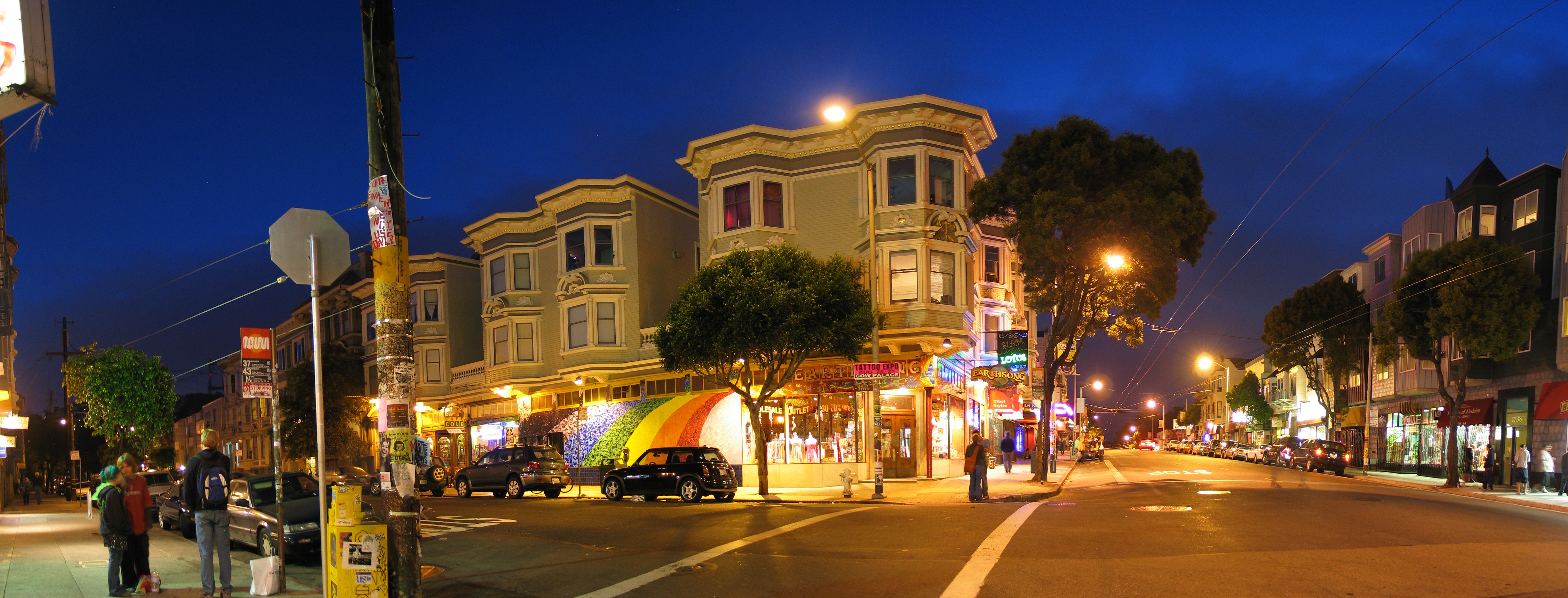
Haight-Ashbury, a neighborhood in San Francisco, California, is globally synonymous with the 1960s counterculture movement. Named for the intersection of Haight and Ashbury streets, this district became a focal point of the Summer of Love in 1967, attracting young people drawn to its ideals of peace, love, and psychedelic exploration. Beyond its historical significance, Haight-Ashbury remains a living testament to bohemian spirit, characterized by its Victorian architecture, eclectic boutiques, and a persistent, albeit evolved, countercultural vibe. The district's legacy continues to influence music, fashion, and social movements worldwide, making it a pilgrimage site for those seeking to understand a pivotal moment in modern history.
🎵 Origins & History
Before it became a global symbol of rebellion, the Haight-Ashbury district was a relatively quiet, affluent residential area in San Francisco. The area began to attract a more bohemian and artistic population, drawn by its affordable rents and proximity to Golden Gate Park. The seeds of its future transformation were sown by beat poets and jazz musicians who found refuge and inspiration in its eclectic atmosphere, setting the stage for the seismic cultural shift that was to come.
⚙️ The Counterculture Crucible
Haight-Ashbury became a focal point of the 1960s counterculture movement. The district became a magnet for hippies, artists, musicians, and seekers from across the United States and beyond, particularly during the Summer of Love in 1967. This period saw an influx of young people drawn by the promise of communal living, psychedelic experiences facilitated by substances like LSD, and a rejection of mainstream societal norms. The area was characterized by free concerts in Golden Gate Park, vibrant street art, and the formation of influential bands like the Grateful Dead and Jefferson Airplane, who lived and performed in the neighborhood.
📊 Key Facts & Numbers
The Summer of Love in 1967 saw an influx of young people into Haight-Ashbury. LSD was a substance used for psychedelic experiences during this time. The district's iconic Victorian homes, many of which housed multiple residents, became communal living spaces for hundreds. Critics point to rampant drug abuse and increased crime rates as part of the darker side of the Summer of Love. Today, the neighborhood sees millions of tourists annually.
👥 Key Figures & Influences
Key figures who shaped Haight-Ashbury's countercultural identity include Timothy Leary, whose advocacy for LSD as a tool for consciousness expansion resonated deeply; Allen Ginsberg, a prominent Beat Generation poet who found inspiration in the district's bohemian spirit; and musicians like Jerry Garcia of the Grateful Dead, whose band's home base at 710 Ashbury Street became a pilgrimage site. The Diggers, an anarchist collective, played a crucial role in organizing free events and food distribution, embodying the era's communal ideals. The influence of figures like Ken Kesey and his Merry Pranksters also permeated the scene with their psychedelic explorations.
🌍 Cultural Impact & Influence
Haight-Ashbury's cultural impact is immeasurable, serving as the visual and spiritual backdrop for the global youthquake of the 1960s. The district's aesthetic—psychedelic posters, vibrant tie-dye fashion, and Victorian architecture—became iconic symbols of the era, influencing fashion trends that continue to resurface. The music born from its streets, particularly psychedelic rock pioneered by bands like Jefferson Airplane and Janis Joplin, defined a generation and laid the groundwork for numerous subsequent genres. The district's legacy also extends to social activism, inspiring movements for peace, civil rights, and environmental awareness, solidifying its place in the annals of cultural history.
⚡ Current State & Latest Developments
Haight-Ashbury retains a distinct character. The neighborhood is still a hub for independent boutiques, vintage clothing stores, record shops, and tattoo parlors, attracting a steady stream of tourists eager to experience its historical aura. While the original hippie movement has largely dissipated, a spirit of independent commerce and artistic expression persists. The district continues to host local music venues and community events, though it grapples with modern urban challenges like rising rents and gentrification, which have altered its demographic and economic landscape significantly since its 1960s heyday.
🤔 Controversies & Debates
The legacy of Haight-Ashbury is not without its controversies. Critics point to rampant drug abuse and increased crime rates as part of the darker side of the Summer of Love. The commercialization of the Haight's image, turning a radical social experiment into a tourist attraction, is another point of contention. Furthermore, the ongoing debates surrounding gentrification and affordability highlight the tension between preserving the neighborhood's historical identity and the realities of urban development, raising questions about who truly benefits from its enduring fame.
🔮 Future Outlook & Predictions
The future of Haight-Ashbury will likely involve a continued balancing act between preserving its historical significance and adapting to contemporary urban pressures. Efforts to maintain affordable housing and support local businesses are crucial to preventing further displacement of long-term residents and independent shops. The district may see a resurgence of interest in its historical roots, potentially leading to more curated historical tours and educational initiatives. However, the ongoing gentrification trend and the ever-shifting cultural landscape suggest that Haight-Ashbury will continue to evolve, its iconic status serving as both a beacon and a burden.
💡 Practical Applications
The practical applications of Haight-Ashbury's legacy are most evident in the enduring influence on music genres, particularly psychedelic rock and its descendants, which continue to inspire musicians and producers globally. Its impact on fashion is undeniable, with the bohemian and hippie aesthetics frequently revisited in runway collections and street style. Furthermore, the district's history serves as a case study for urban planners and sociologists examining the dynamics of countercultural movements, gentrification, and the transformation of urban spaces. The concept of communal living and alternative lifestyles, though altered, continues to be explored in various modern intentional communities and co-housing projects.
Key Facts
- Category
- culture
- Type
- place