
Contents
- 🌱 What Exactly Is a Greenhouse?
- 💡 How Greenhouses Work: The Science of Warmth
- 🏠 Types of Greenhouses: From Hobby to High-Tech
- 🛠️ Materials Matter: Glass, Plastic, and Polycarbonate
- 📈 Benefits Beyond the Cold: Why Cultivate Under Cover?
- 💰 Cost Considerations: Investment vs. Return
- 🌍 Global Impact: Greenhouses in Agriculture and Beyond
- 🤔 The Future of Greenhouses: Innovation on the Horizon
- Frequently Asked Questions
- Related Topics
Overview
Greenhouses are structures designed to create a controlled environment for growing plants, shielding them from adverse weather and pests while optimizing conditions like temperature, humidity, and light. Historically, they evolved from simple cold frames to elaborate glass conservatories, driven by a desire to cultivate exotic species and extend growing seasons. Today, they are indispensable tools in commercial agriculture, research, and even urban farming, employing advanced technologies like hydroponics and LED lighting. The modern greenhouse represents a sophisticated fusion of engineering and biology, enabling year-round production of crops and playing a crucial role in food security and horticultural innovation.
🌱 What Exactly Is a Greenhouse?
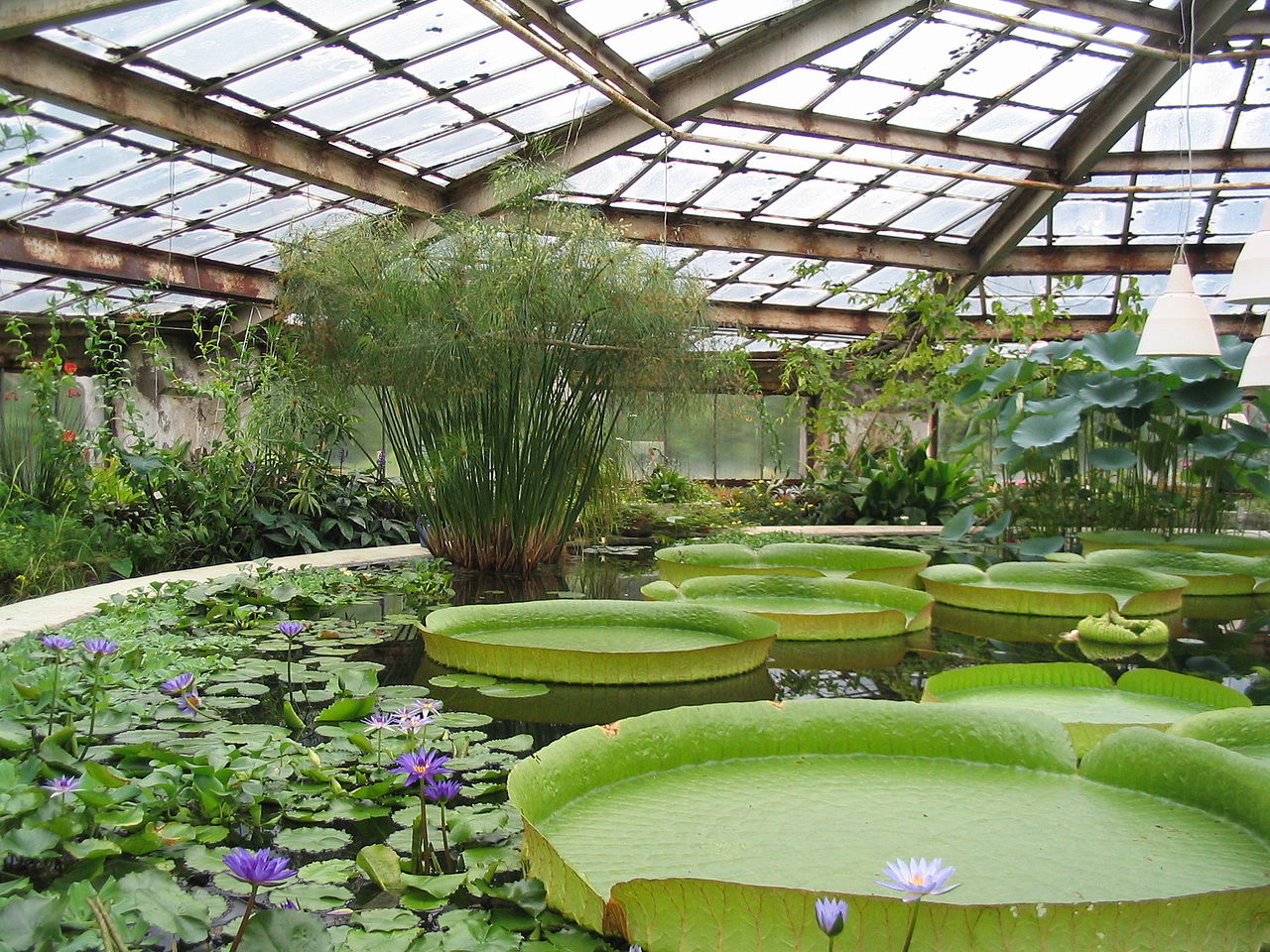
A greenhouse is fundamentally a controlled environment structure, a sanctuary for plants designed to shield them from adverse external conditions. Its primary function is to trap solar radiation, creating a warmer microclimate than the surrounding outdoors, thereby extending the growing season or enabling cultivation of species that wouldn't otherwise survive. Think of it as a plant's personal climate-controlled apartment, offering protection from frost, excessive wind, and harsh precipitation. This controlled atmosphere is crucial for a wide range of applications, from small-scale hobby gardening to large-scale commercial agriculture.
💡 How Greenhouses Work: The Science of Warmth
The magic of a greenhouse lies in a phenomenon known as the greenhouse effect, a principle familiar from atmospheric science but applied here on a micro-scale. Sunlight, in the form of shortwave radiation, passes through the transparent covering of the structure. Once inside, this energy is absorbed by plants, soil, and other surfaces, which then re-emit it as longer-wave infrared radiation (heat). The transparent covering is largely impermeable to this longer-wave radiation, effectively trapping the heat and raising the internal temperature. This passive heating mechanism is the core engineering behind every greenhouse, from the simplest cold frame to the most sophisticated hydroponic facility.
🏠 Types of Greenhouses: From Hobby to High-Tech
Greenhouses come in a surprising variety, catering to different needs and budgets. For the backyard enthusiast, a cold frame or a small hoop house might suffice, offering basic protection and season extension. Mid-sized walk-in greenhouses provide more space for a diverse range of plants and allow for easier movement. On the commercial scale, controlled environment agriculture (CEA) facilities deploy advanced hydroponic and aquaponic systems within large, sophisticated structures, often incorporating automated climate control and lighting. Each type offers a distinct level of environmental control and scalability.
🛠️ Materials Matter: Glass, Plastic, and Polycarbonate
The choice of covering material significantly impacts a greenhouse's performance, durability, and cost. Glass panes offer excellent light transmission and longevity but are fragile and expensive. Polyethylene film is a cost-effective option, often used in hoop houses, but requires replacement every few years due to UV degradation. Polycarbonate panels, available in single or twin-wall configurations, strike a balance between durability, light diffusion, and insulation, making them a popular choice for both hobbyists and professionals seeking a robust, long-term solution.
📈 Benefits Beyond the Cold: Why Cultivate Under Cover?
Beyond simply keeping plants warm, greenhouses offer a suite of benefits that enhance cultivation success. They provide a buffer against extreme weather events, preventing damage from hail, frost, and strong winds. This controlled environment also helps in managing pests and diseases, as the enclosed space can be more easily monitored and treated, reducing the need for chemical interventions. Furthermore, greenhouses allow for precise control over irrigation and nutrient delivery, optimizing plant growth and resource efficiency, which is a cornerstone of modern sustainable farming.
💰 Cost Considerations: Investment vs. Return
The financial commitment for a greenhouse varies dramatically. A basic DIY greenhouse kit might cost a few hundred dollars, suitable for a small garden. Larger, freestanding structures with polycarbonate panels can range from $1,000 to $10,000 or more, depending on size and features. Commercial-grade greenhouses, especially those integrated with advanced CEA systems, represent a significant capital investment, potentially running into hundreds of thousands or even millions of dollars. However, the increased yields, extended growing seasons, and reduced crop losses can offer a substantial return on investment over time.
🌍 Global Impact: Greenhouses in Agriculture and Beyond
Globally, greenhouses are indispensable tools for ensuring food security and enabling agricultural innovation. They allow for the cultivation of high-value crops in regions with challenging climates, such as vertical farms in urban centers or year-round production in colder latitudes. Countries like the Netherlands have become global leaders in greenhouse horticulture, exporting vast quantities of produce. The technology also plays a role in botanical research, seedling propagation, and even in creating specialized environments for ornamental plant production, demonstrating their broad utility.
🤔 The Future of Greenhouses: Innovation on the Horizon
The future of greenhouses is increasingly intertwined with smart technology and automation. Expect to see more integration of IoT sensors for real-time environmental monitoring, AI-driven climate control systems, and advanced LED lighting tailored to specific plant needs. Vertical farming within controlled greenhouse environments is poised for significant growth, addressing urban food deserts and reducing transportation emissions. Innovations in sustainable materials for construction and energy-efficient designs will also shape the next generation of these vital cultivation structures.
Key Facts
- Year
- 1600
- Origin
- The concept of protecting plants dates back to ancient Rome, with Seneca the Younger describing heated greenhouses in the 1st century AD. The modern greenhouse, however, began to take shape in Europe during the Renaissance, particularly with the development of glassmaking techniques. The term 'greenhouse' itself emerged in the 17th century, referring to structures used to keep plants 'green' through winter.
- Category
- Agriculture & Horticulture
- Type
- Topic
Frequently Asked Questions
What is the main advantage of using a greenhouse?
The primary advantage is the creation of a controlled microclimate that allows plants to grow in conditions that would otherwise be unfavorable. This means extending the growing season, protecting plants from harsh weather, and optimizing conditions for specific species, leading to healthier growth and potentially higher yields.
Are greenhouses only for growing food?
No, greenhouses serve a multitude of purposes. While commercial agriculture is a major application, they are also used for horticultural research, botanical gardens to house exotic species, seedling propagation for nurseries, and by hobbyists for personal gardening and season extension.
How much does a greenhouse typically cost?
Costs vary widely. A small DIY greenhouse kit might cost a few hundred dollars. Larger, more durable structures with polycarbonate panels can range from $1,000 to $10,000+. Commercial-scale facilities with advanced systems can cost hundreds of thousands or millions of dollars.
What are the most common materials used for greenhouse coverings?
The most common materials are glass panes, polyethylene film, and polycarbonate panels. Glass offers clarity and longevity but is fragile and expensive. Polyethylene film is affordable but less durable. Polycarbonate offers a good balance of durability, insulation, and light diffusion.
Can I grow plants in a greenhouse year-round?
Yes, in many cases. By controlling temperature, humidity, and light, you can create an environment suitable for year-round growth, even for plants that are not native to your climate or season. This is a key benefit for commercial growers and dedicated hobbyists alike.
What is the difference between a greenhouse and a hoop house?
A hoop house is a type of greenhouse, typically simpler and more affordable, constructed with a framework of curved hoops (often PVC or metal) covered with plastic film. Greenhouses are a broader category and can include more rigid structures made of glass or polycarbonate with more sophisticated ventilation and climate control systems.